Article · Places
South Saint Vrain Canyon, Near Lyons, Colorado: What It's Actually Like to Live This Close to a Creek
A narrow canyon west of Lyons, Colorado, carries a creek, a two-lane highway, and a scattering of mountain homes between red rock walls. Here's what the drive, the water, and the terrain actually mean for anyone picturing a life out here.

- 2,155Population of Lyons, Colorado (2024 Census estimate)
- ~35 minDrive to Boulder, down-canyon
- 2013Year flooding tore through the canyon and closed the highway
- $298,800Current asking price, the 1920 cabin on Riverside Dr in the canyon
Watch the video, then read on for what the listings and the county records say.
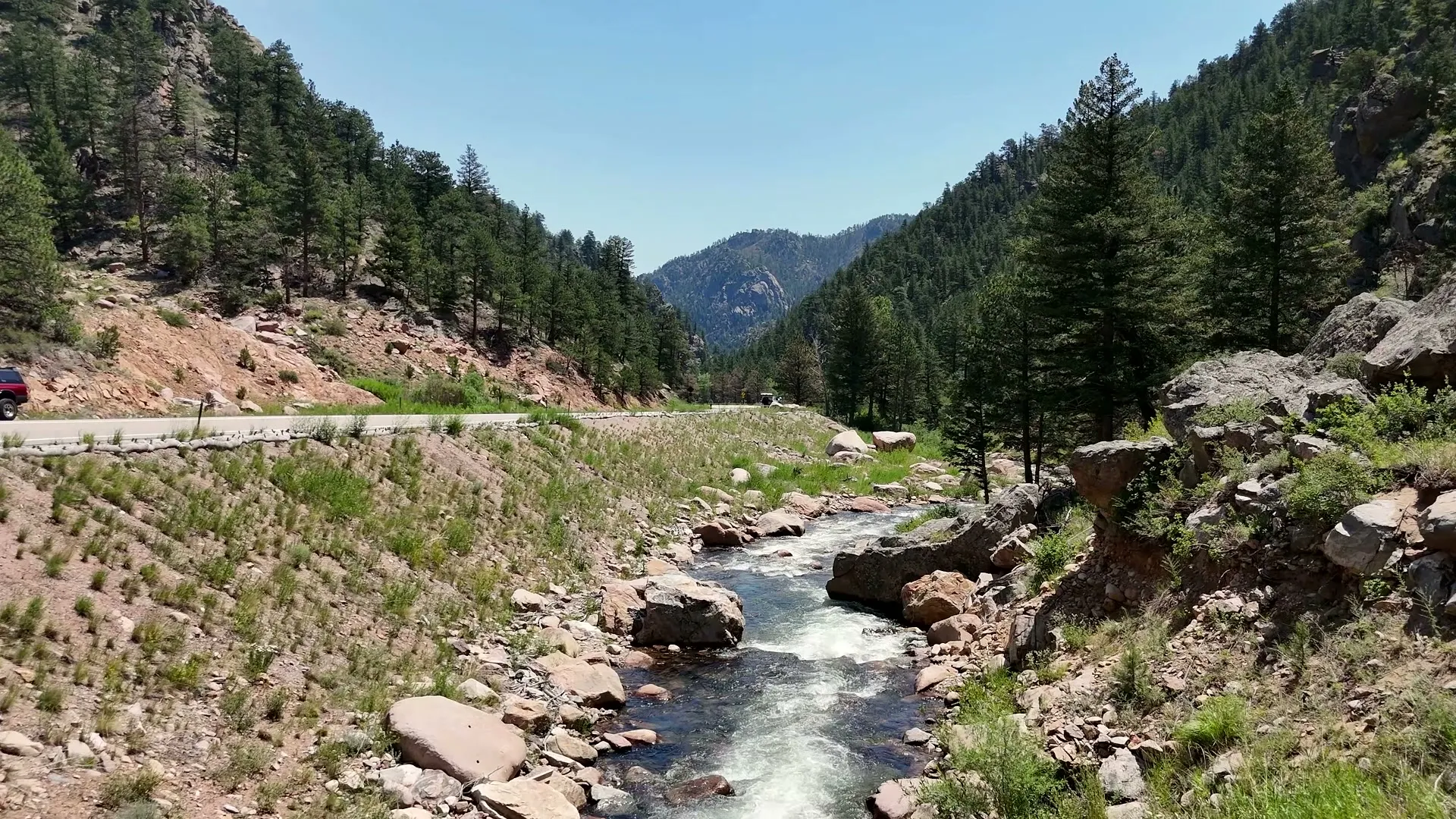
Drive west out of Lyons, Colorado, on Highway 7, and the town falls away fast. Within a mile or two the road narrows, the hills close in on both sides, and South St. Vrain Creek shows up running alongside the pavement, close enough in places to hear it over an open window. That stretch of road and water is South Saint Vrain Canyon, and it is the kind of place that photographs better than almost anywhere nearby, which is exactly why people start asking what it would take to actually live there.
What the canyon actually is
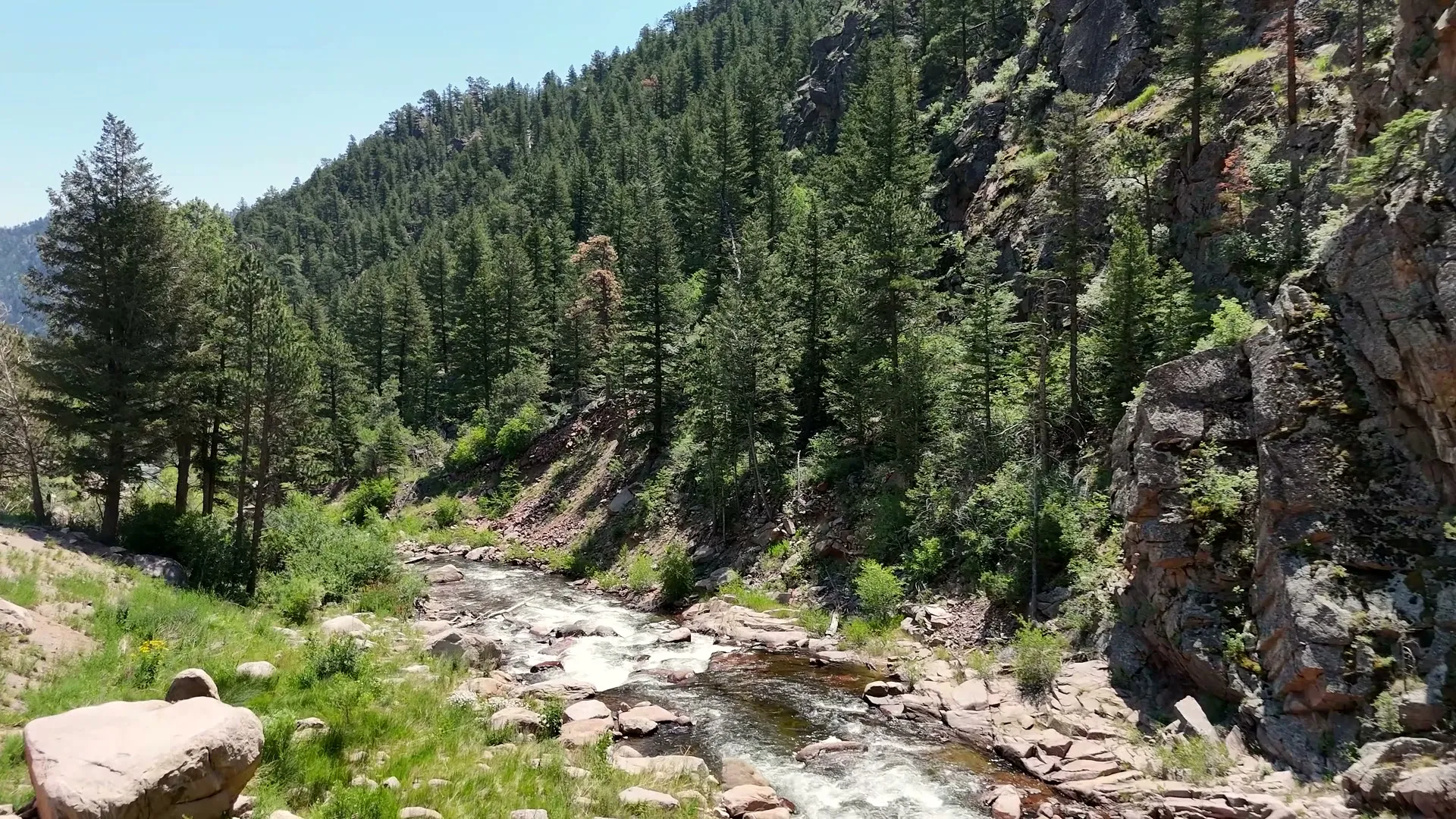
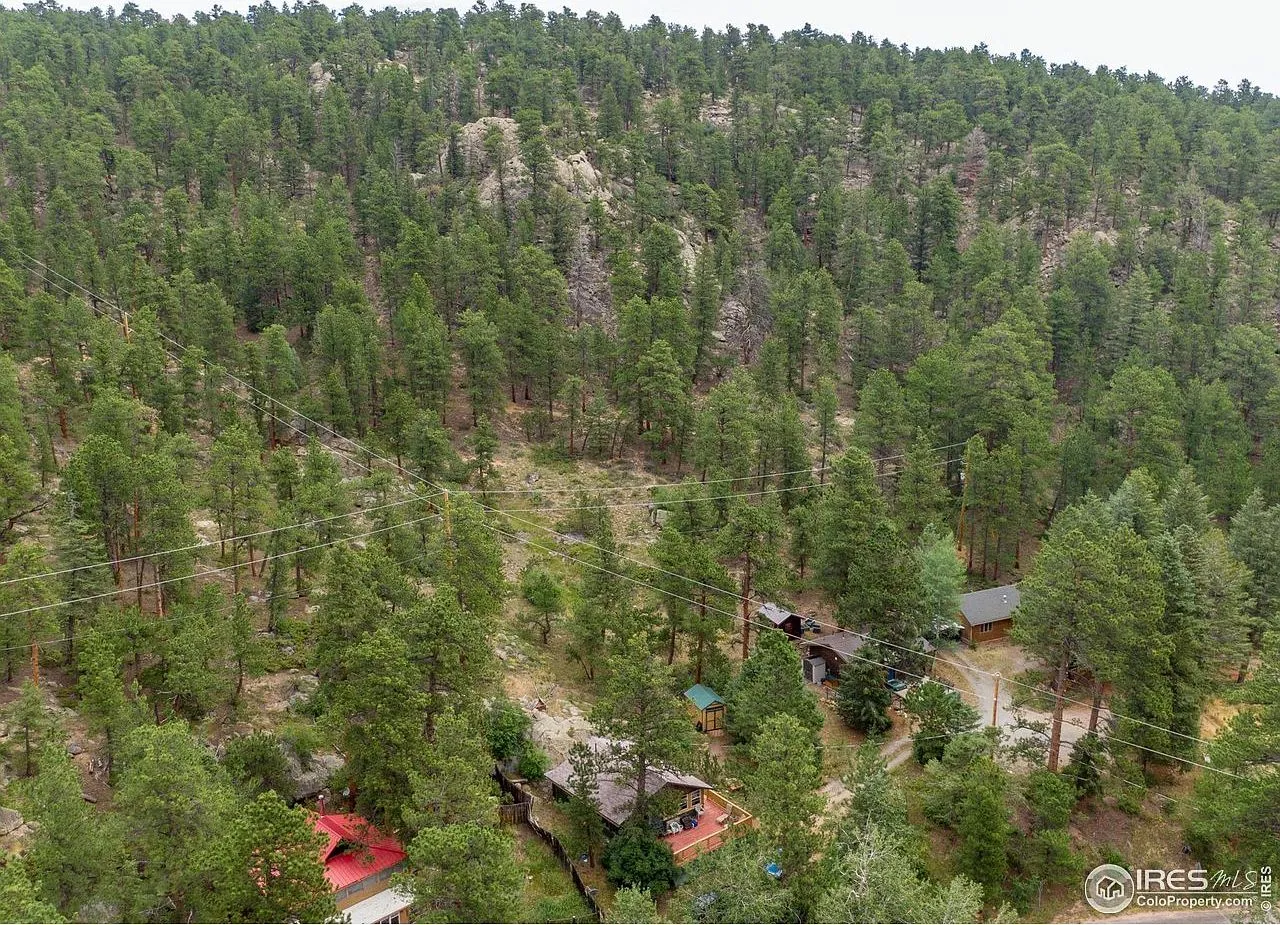
South Saint Vrain Canyon is a narrow mountain corridor cut by South St. Vrain Creek as it drops out of the Front Range toward Lyons. The creek and the highway run side by side for most of the canyon’s length, squeezed between steep, forested slopes and exposed granite. It is not a wide valley with room to spread out. It is a tight cut through the mountains, and every house, driveway, and pullout in it has to fit into whatever flat ground the creek left behind.
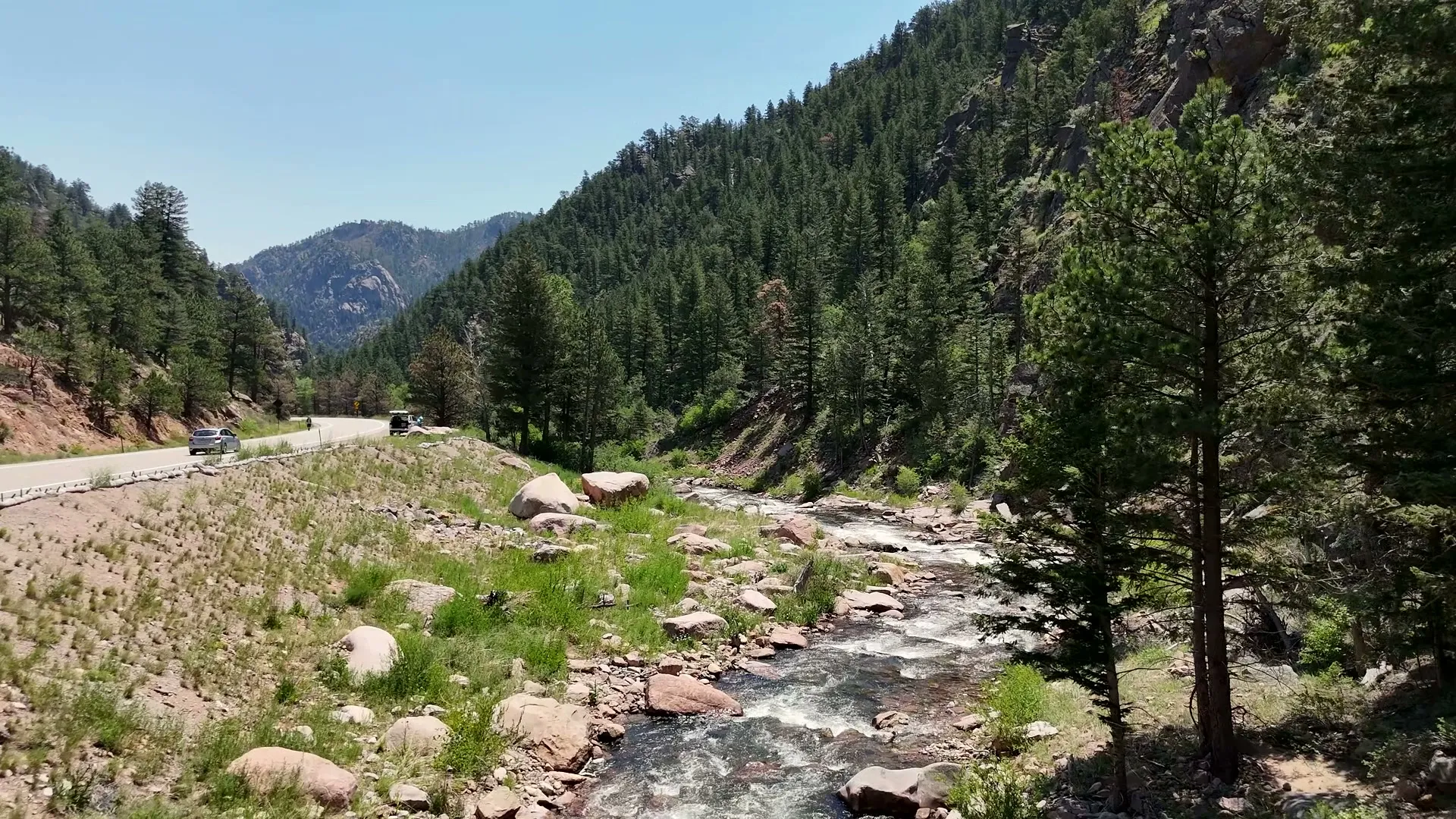
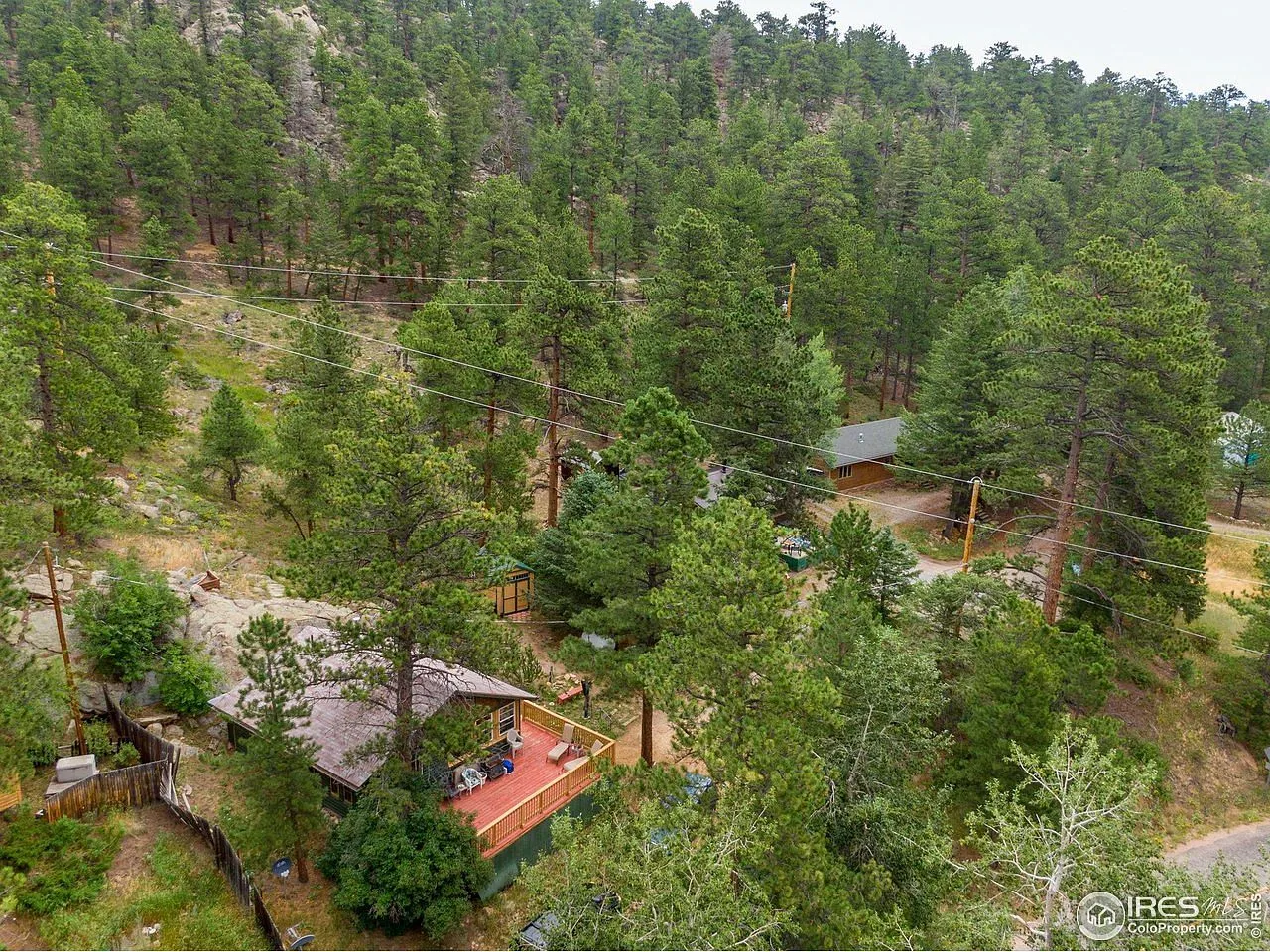
The surrounding land is mostly lodgepole and ponderosa pine with outcrops of pink and gray granite, the same rock that gives the Front Range its color. There is no real flatland here the way there is on the plains just east of Lyons. Building a home in this canyon means building on a slope, a bench cut into the hillside, or a narrow shelf above the creek.
The drive is the whole deal
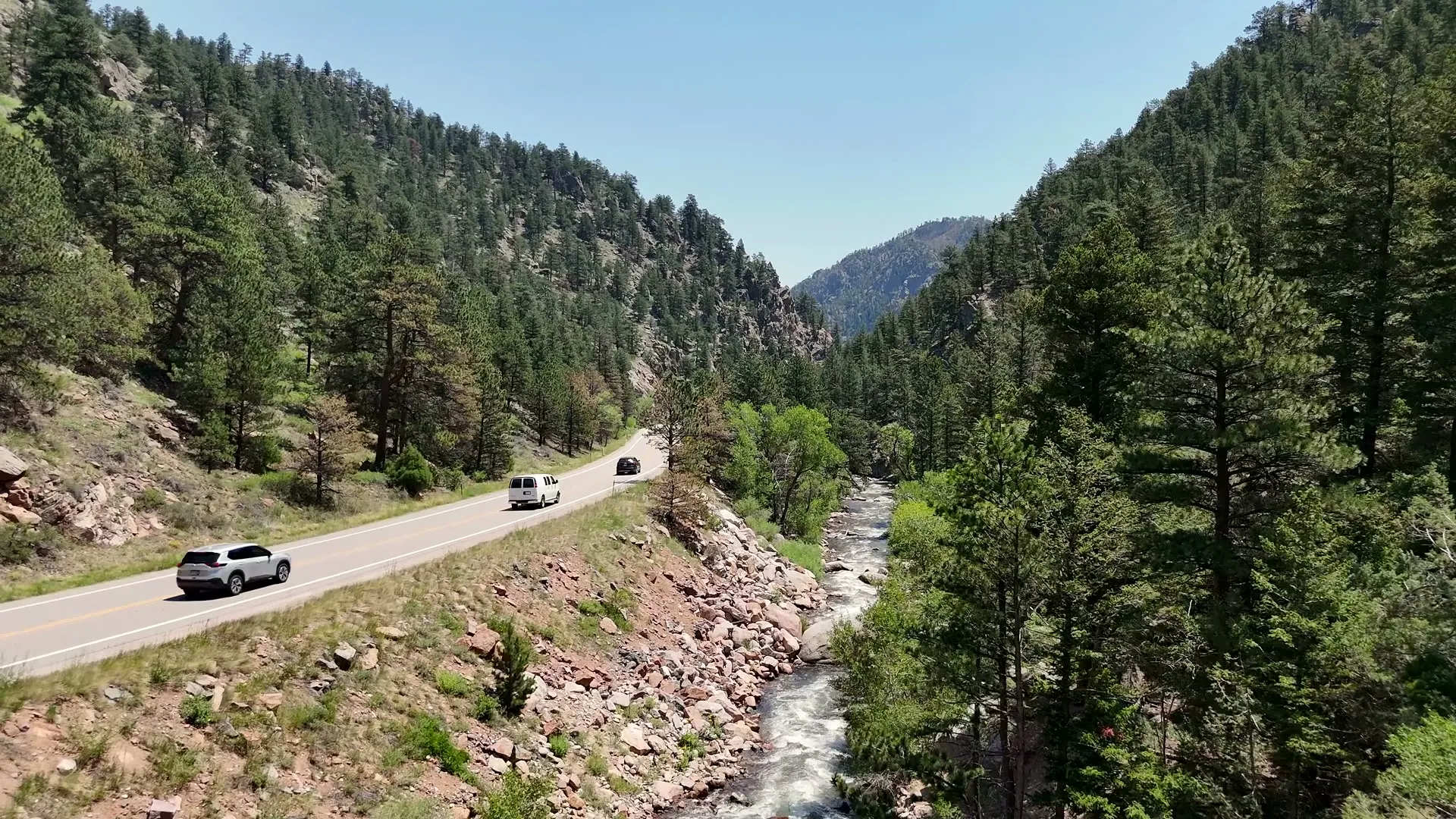
Highway 7 through the canyon connects Lyons to the mountain communities around Raymond, Riverside, and eventually Estes Park and Allenspark to the west, a route sometimes grouped with the Peak to Peak scenic byway. It is a real highway, not a forest-service road, which means it gets plowed and maintained.
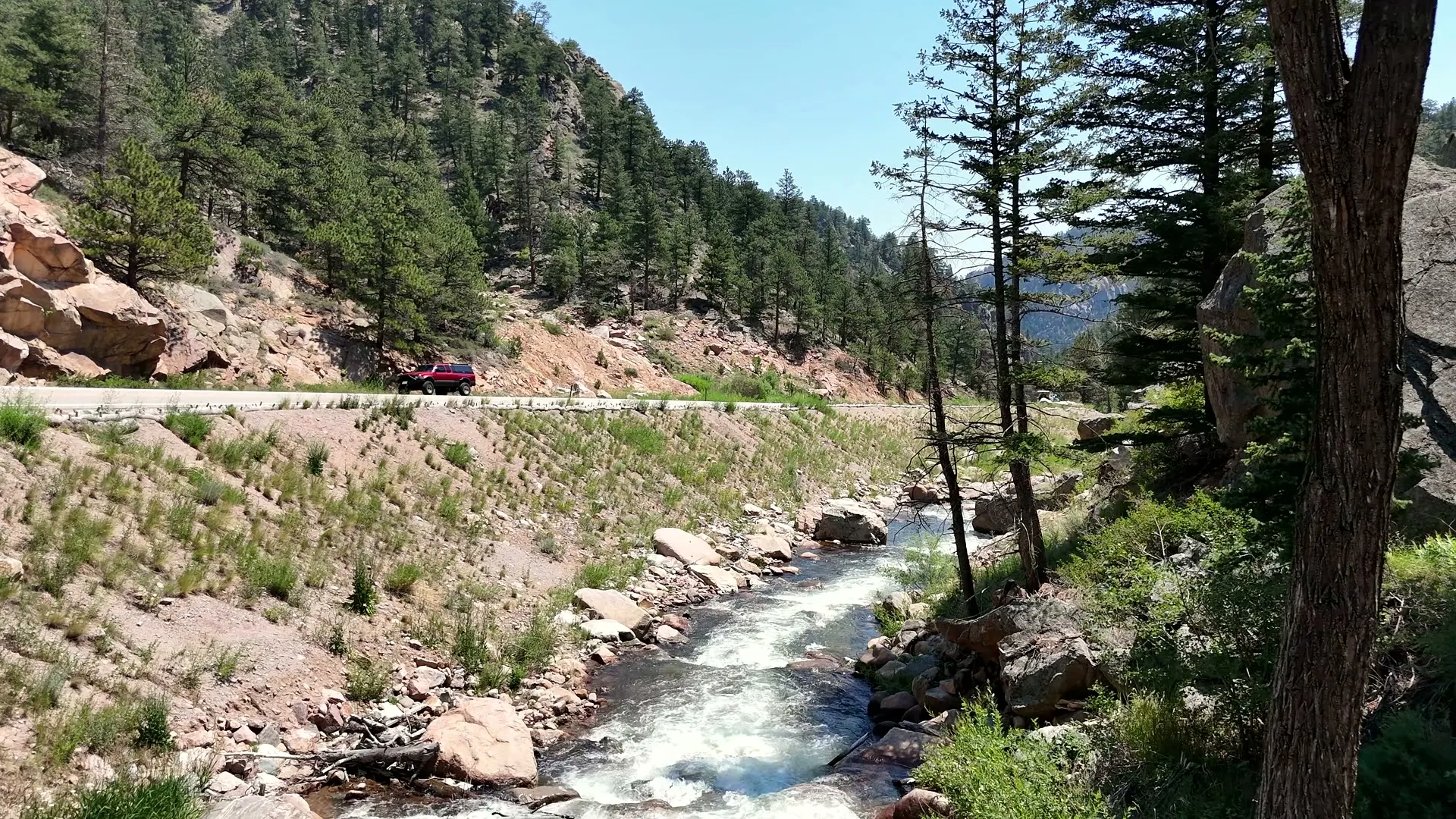
But it is also a two-lane canyon road with tight curves and a creek on one side, which means winter driving takes more attention than a commute on open plains, and a slide-off or a rockfall closure, while uncommon, is not unheard of in a canyon this narrow.
Lyons itself sits at the canyon’s mouth, a small town of roughly 2,155 people as of the Census Bureau’s 2024 estimate. It has a grocery store, a hardware store, and enough of the basics that a trip down-canyon covers most daily errands. Boulder is about 35 minutes further east, and that is really the nearest full-size city with a hospital, a larger job market, and everything else a small mountain town does not carry on its own.
The creek cuts both ways
Living next to running water sounds appealing right up until the water does what South St. Vrain Creek did in September 2013. The canyon took serious damage in the Colorado floods that year. The creek rose, tore out sections of the highway and the banks alongside it, and the road needed a multi-year rebuild before it was fully back to normal.
That is not ancient history. It is the most recent reminder that a canyon this narrow, with a creek running this close to the only road in and out, floods differently than a house on a hill a mile away from any water.
Anyone looking seriously at a property in this canyon should ask about flood history and FEMA flood zone status before anything else. A creek that is scenic 350 days a year is still the same creek that reshaped this canyon in a single week in 2013.
Why people still want it
None of that cancels out the appeal, and it is worth being plain about what the appeal actually is. This is Front Range granite and pine forest a half hour from a real city, with a year-round creek, rock climbing within the canyon itself, and a highway that puts Estes Park and Rocky Mountain National Park within reach without a full mountain commute.
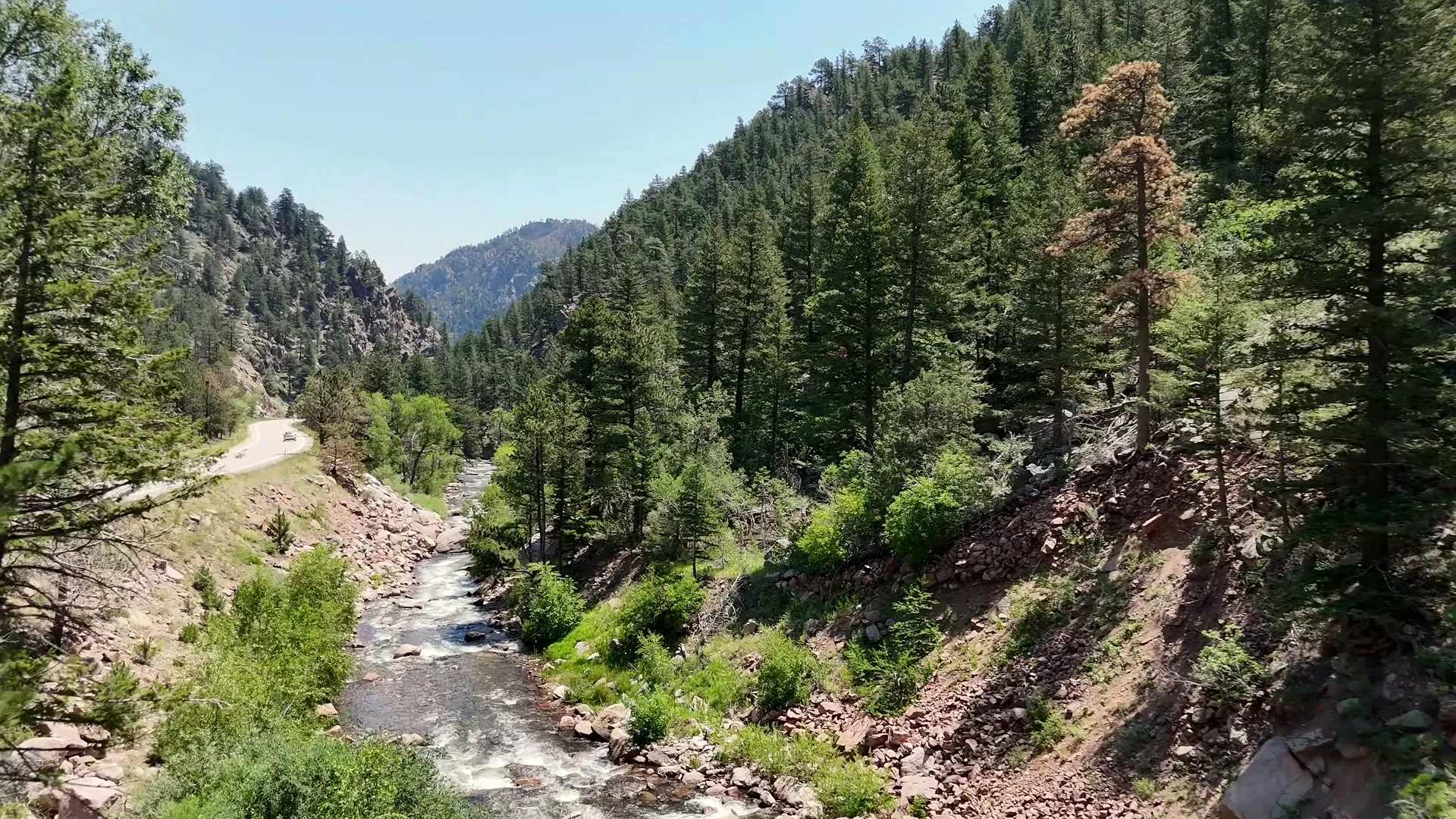
It is quieter and less built-up than Boulder Canyon or the Big Thompson corridor, which is part of why it draws less traffic and fewer tourists even on a summer weekend.
For the right buyer, that is the whole case: a narrow, forested canyon with real character, a short drive from a real town, without the crowds that come with the more famous canyon drives nearby.
What’s actually for sale here right now
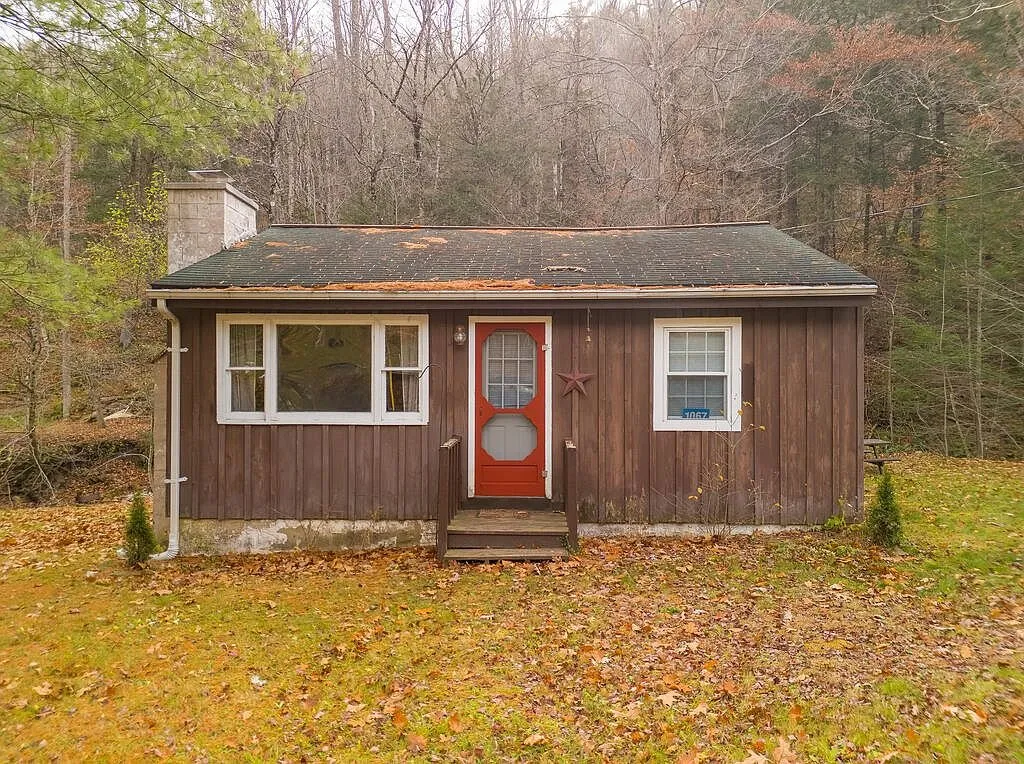
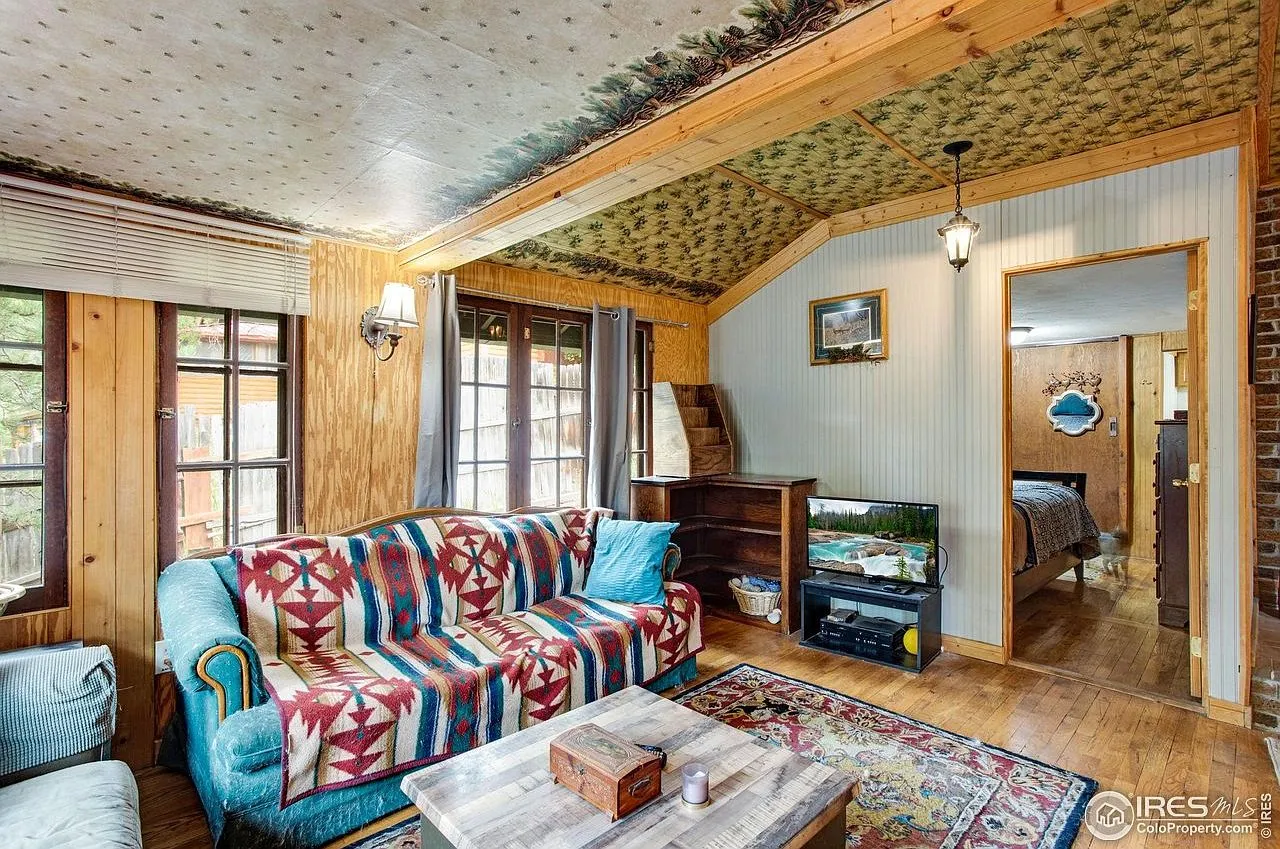
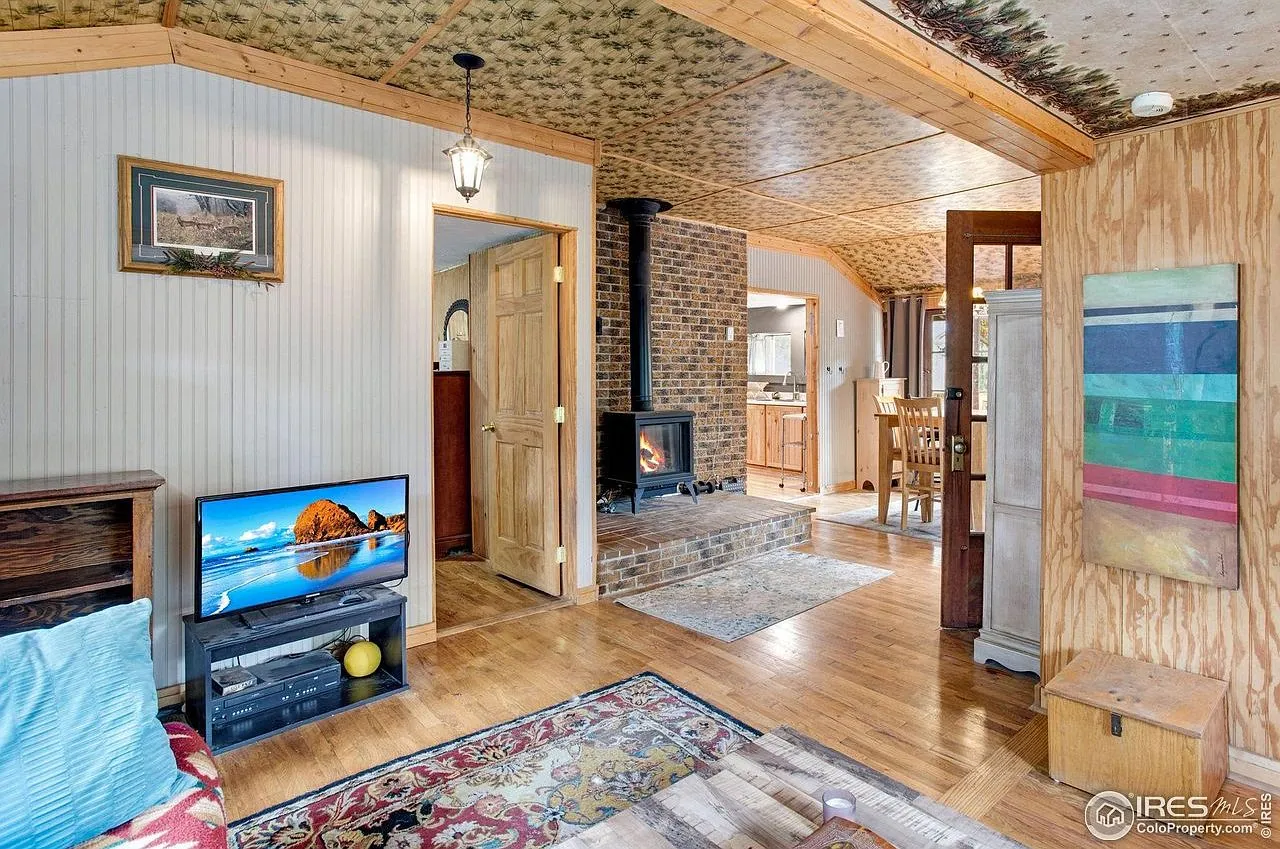
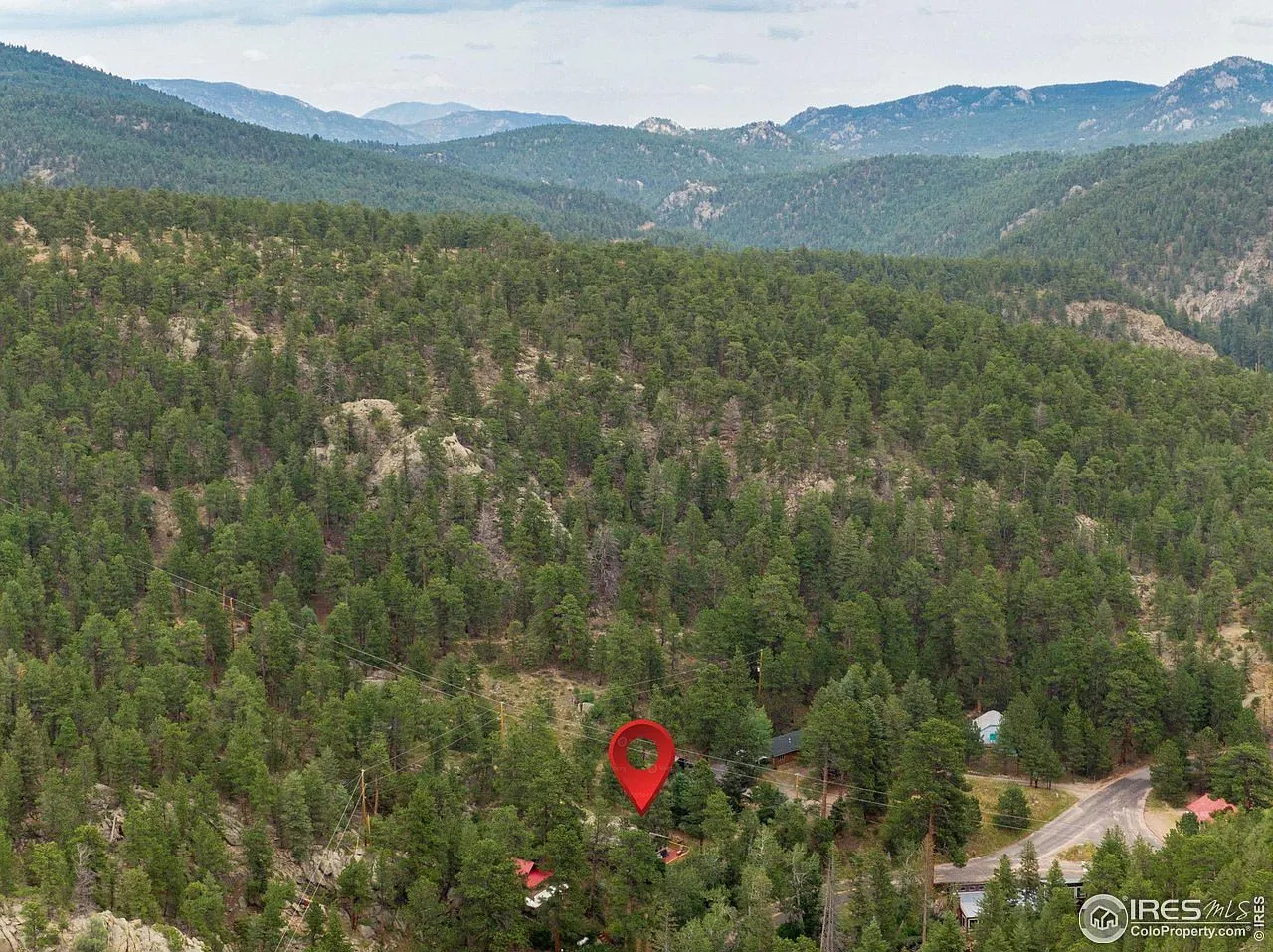
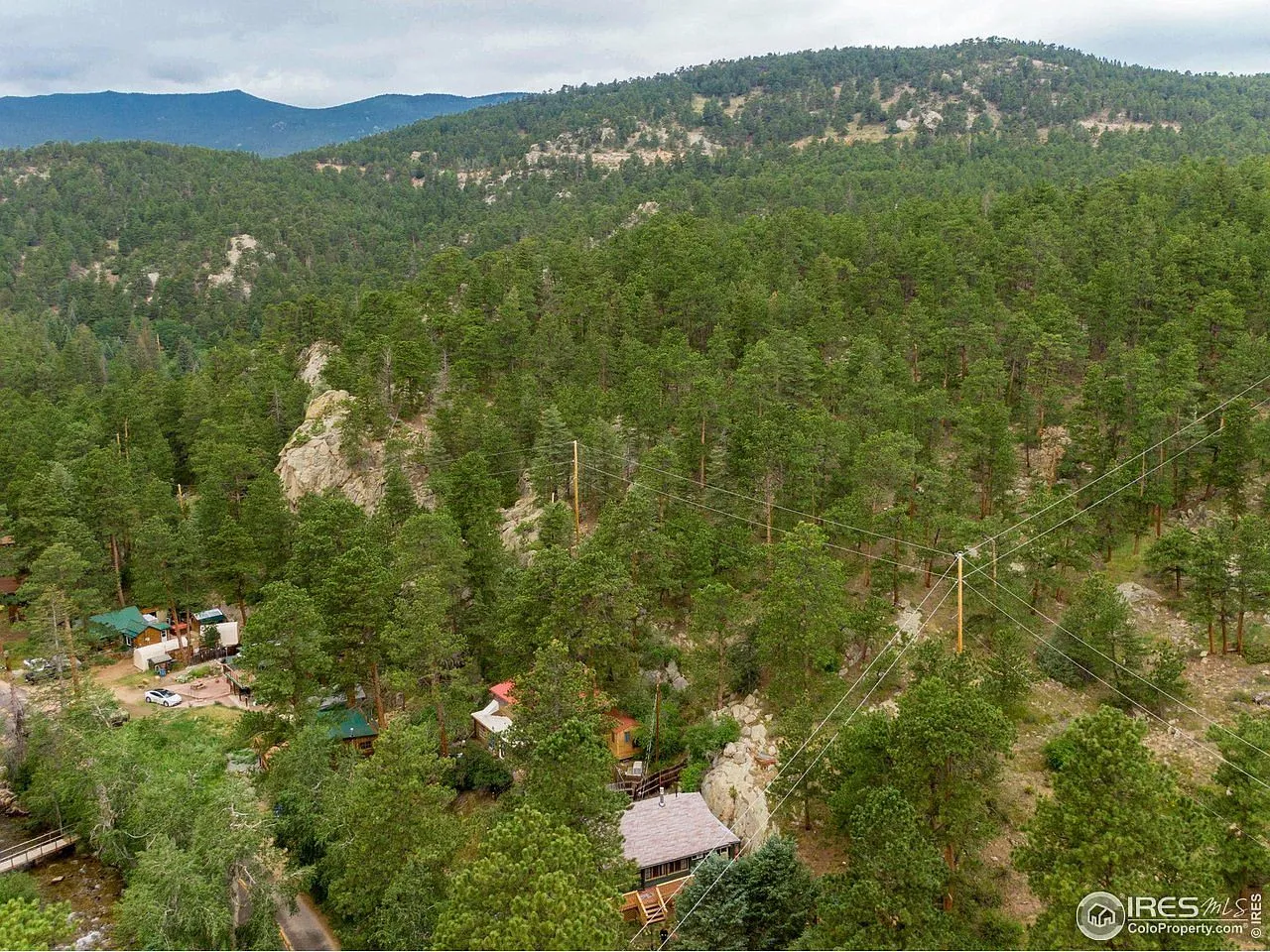
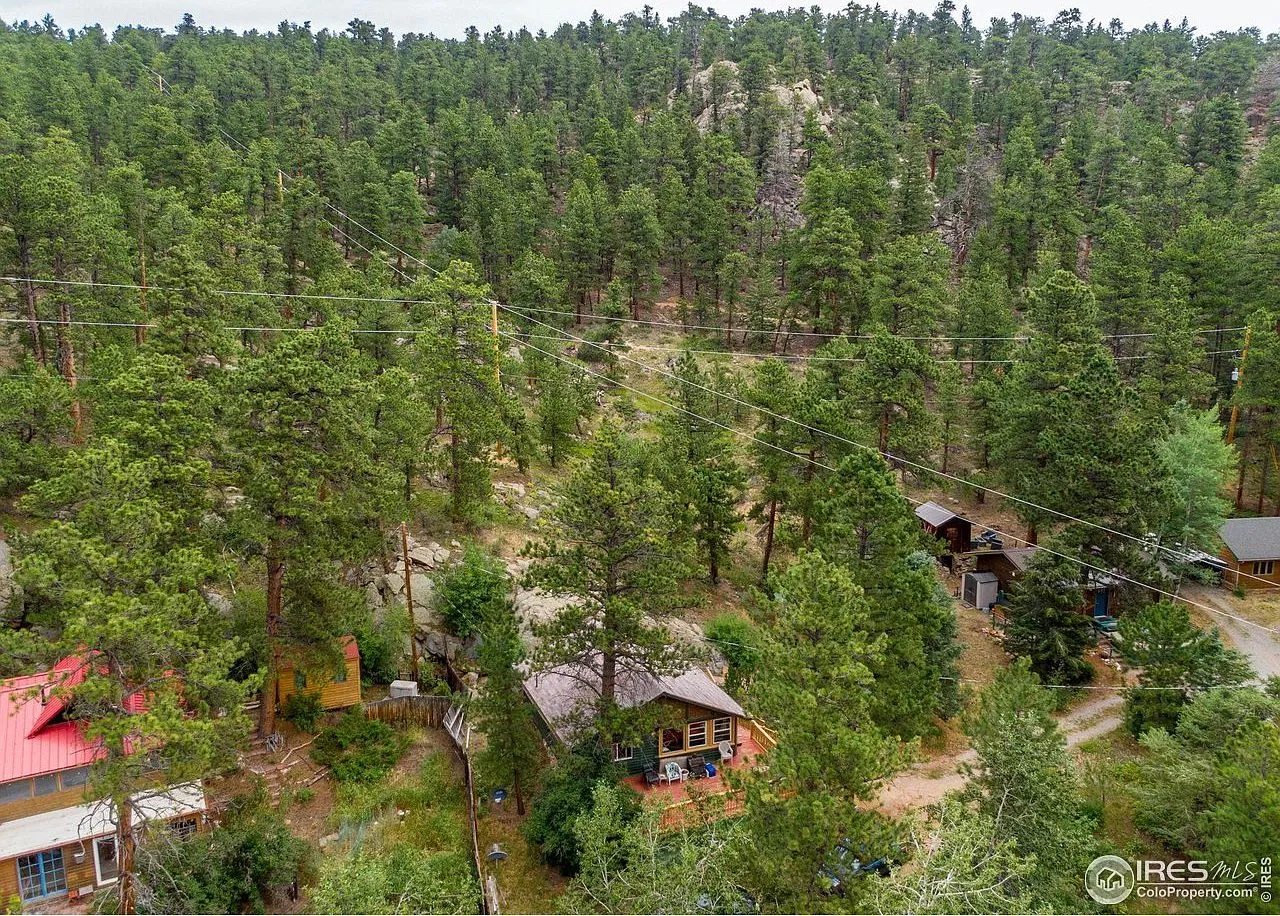
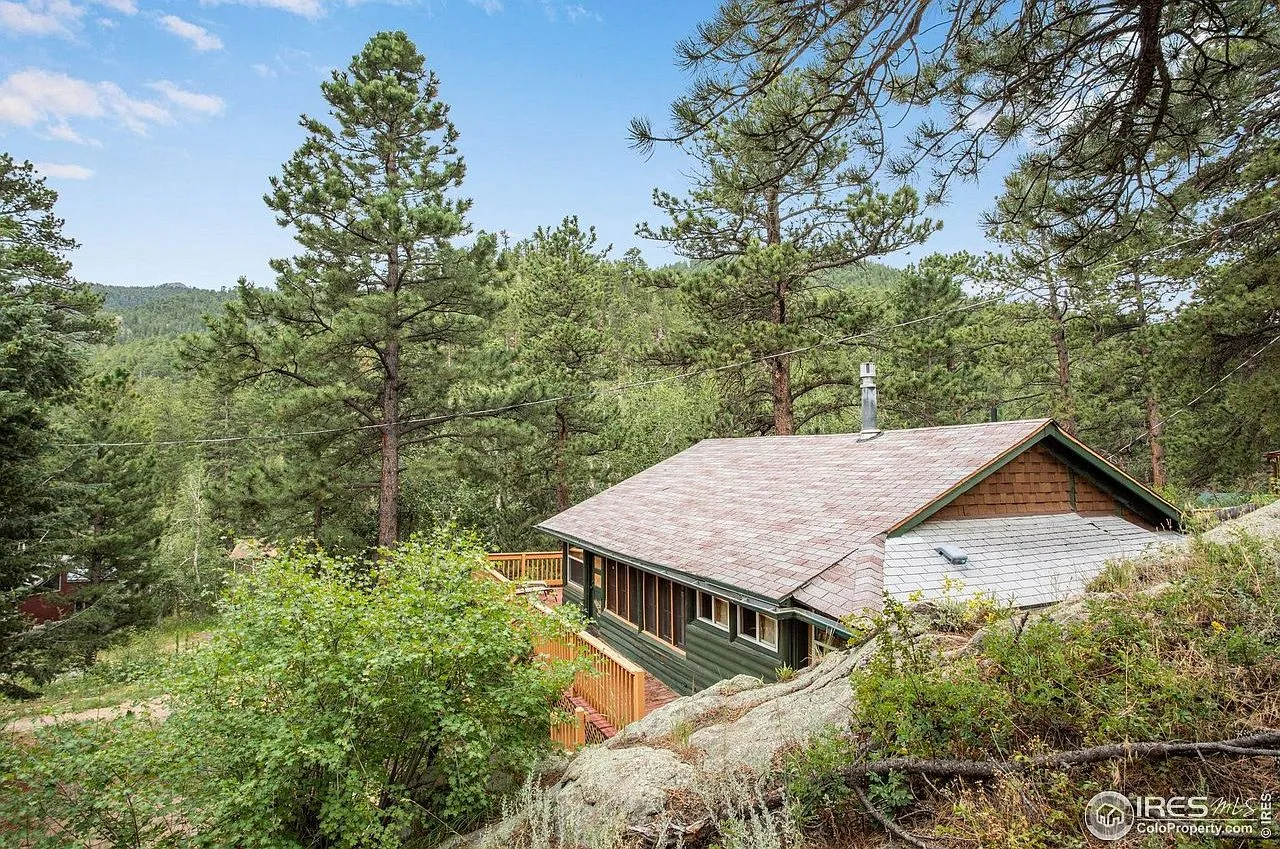
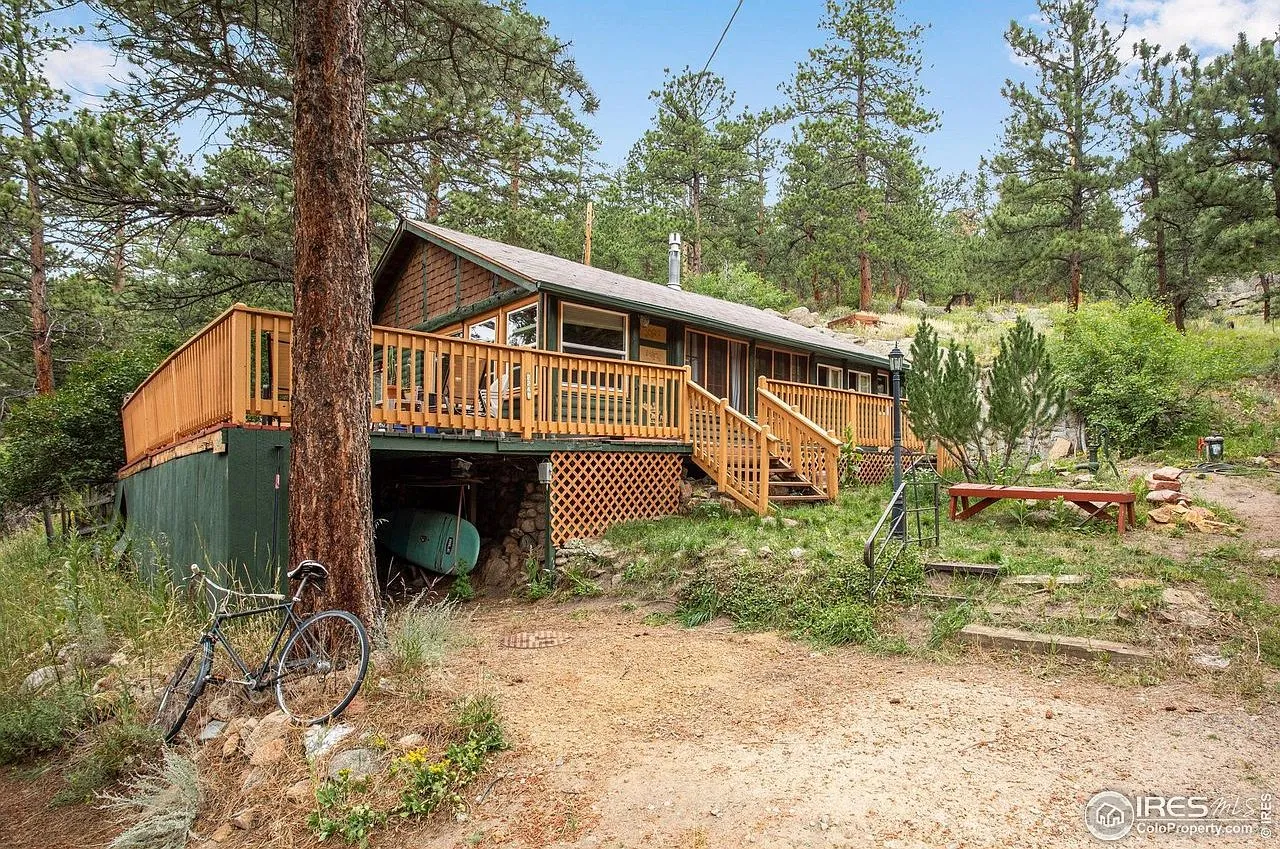
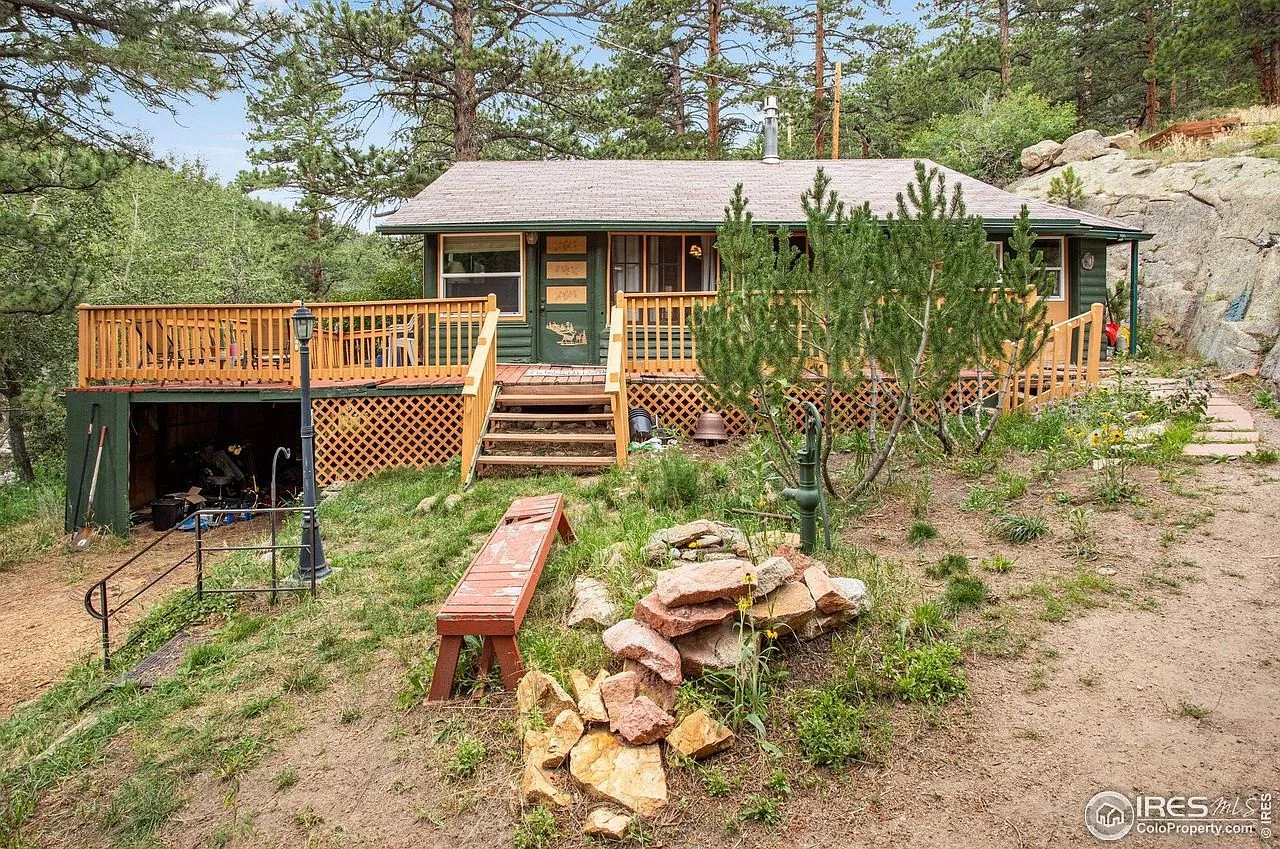
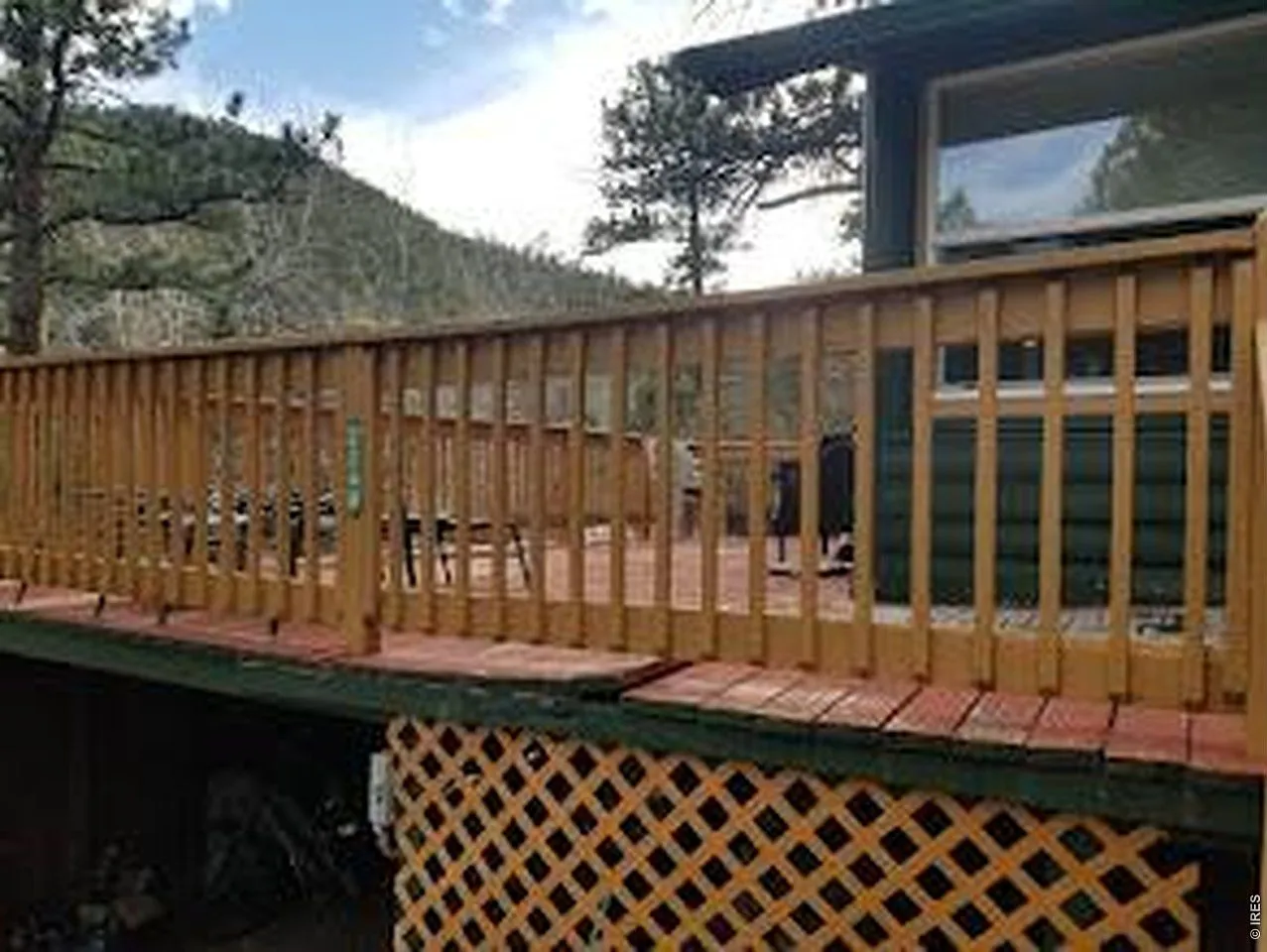
Talk about a canyon in the abstract long enough and it starts to sound theoretical. It is not. As of this writing, a 1920 cabin at 2248 Riverside Dr, in the Raymond area of the canyon, is listed at $298,800.
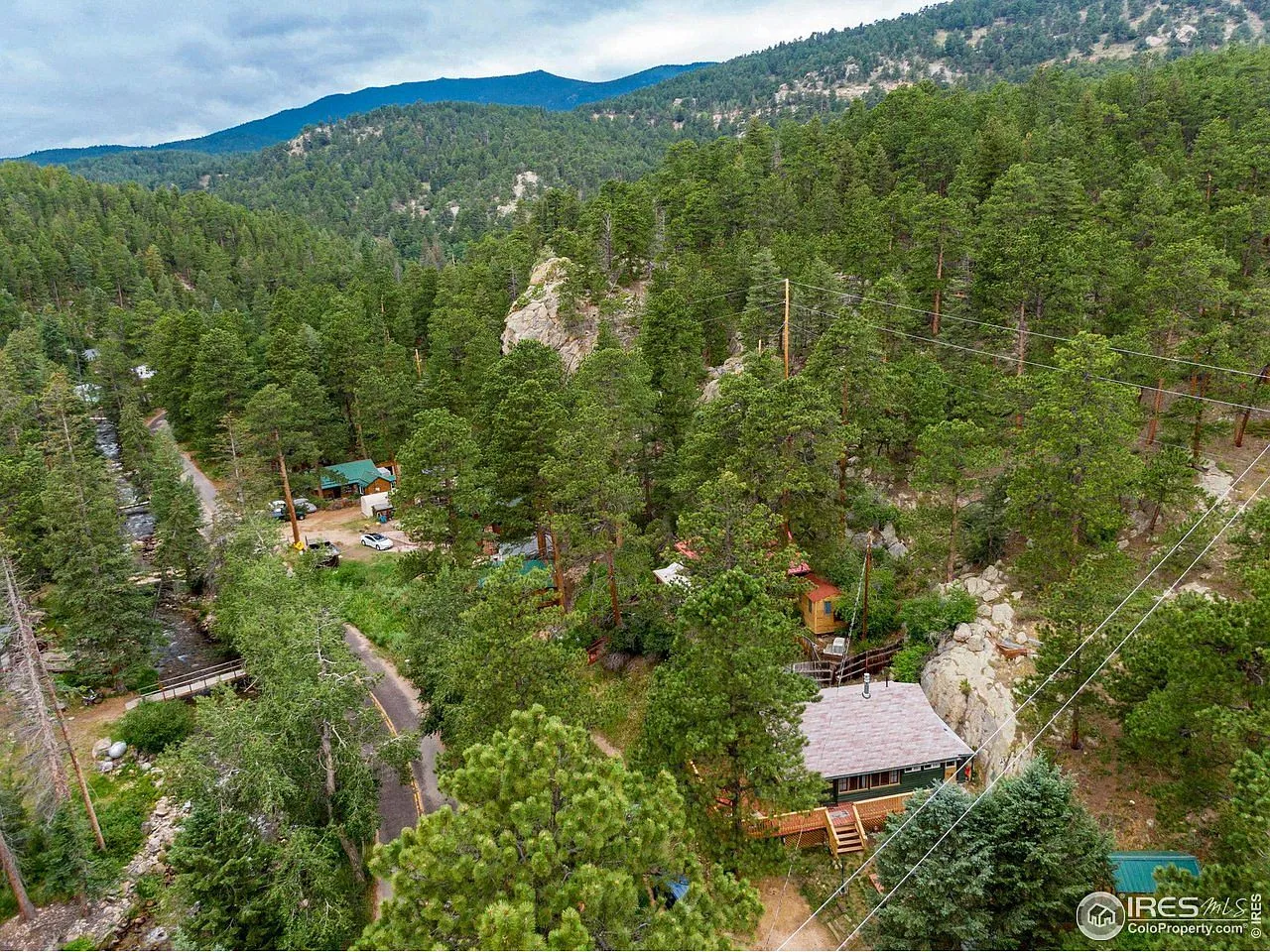
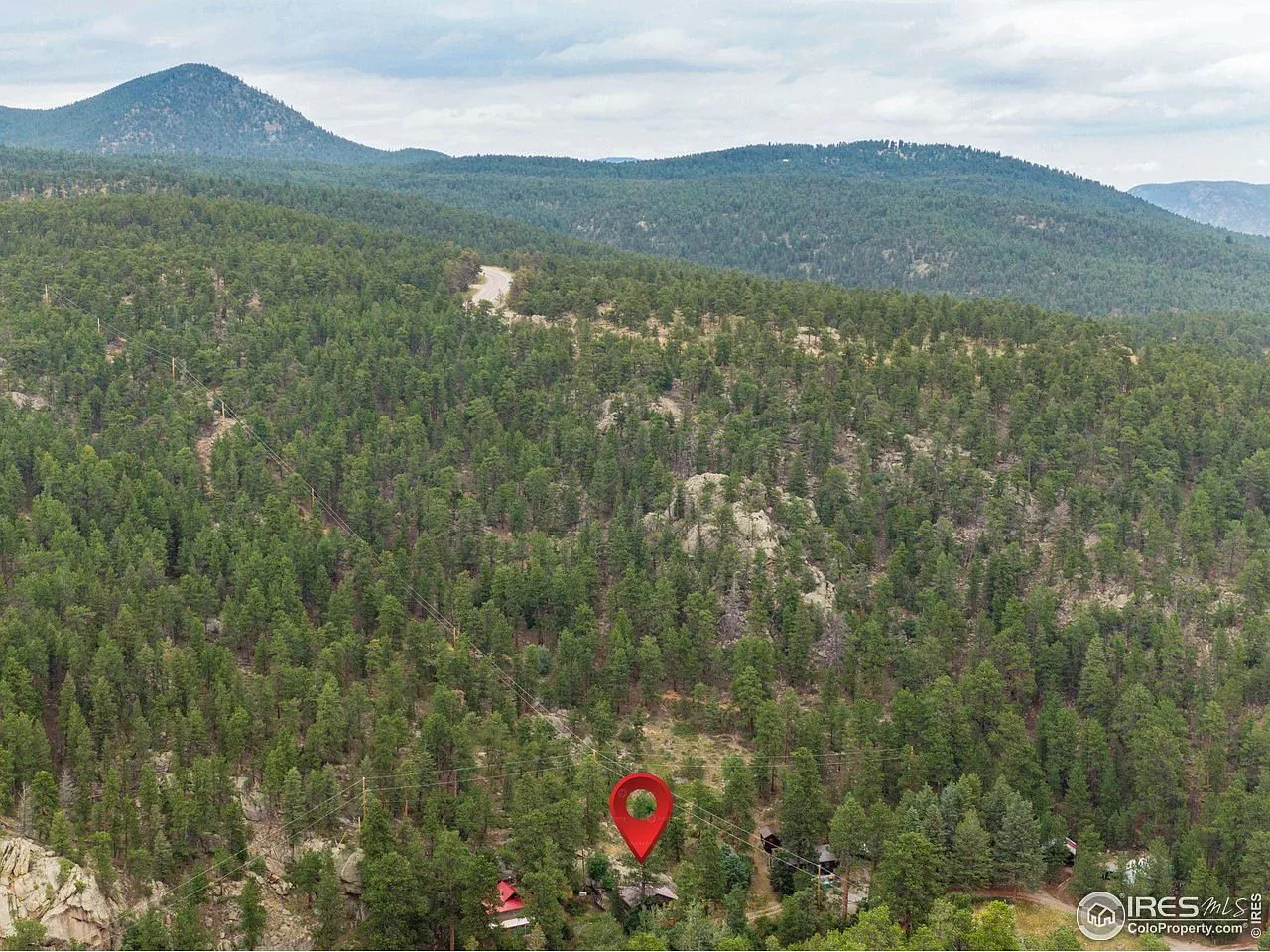
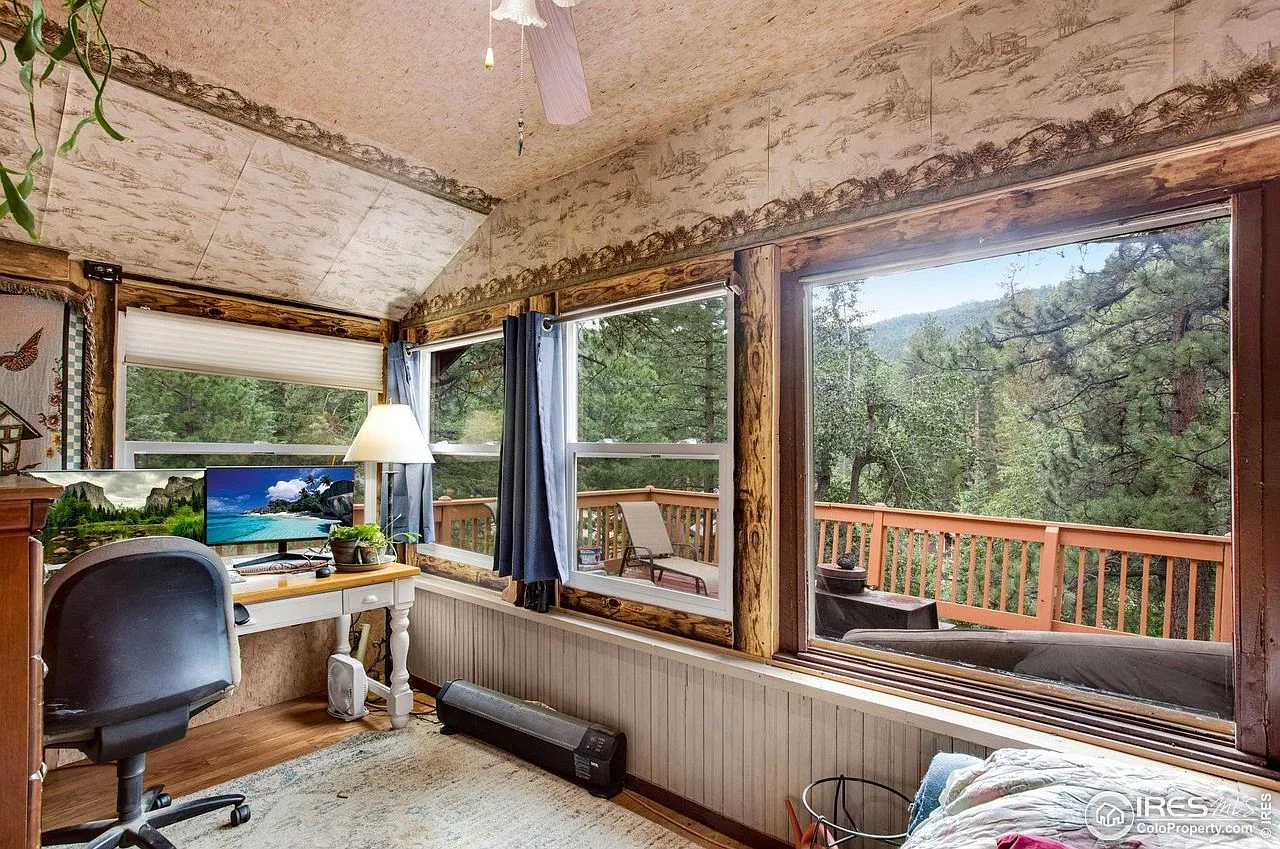
It is small: one bedroom, one bathroom, 845 square feet, on a quarter-acre lot that overlooks the Middle Fork of the South St. Vrain River. The listing is candid in a way that is worth noticing: the well was tested at 5 gallons per minute, the septic system is newer and passed inspection in 2025, and the agent states plainly that there is “a moderate amount of deferred maintenance which is accounted for at this price.” An inspection report from a previous round of buyers is available, which usually means an earlier deal came apart, worth asking about directly.
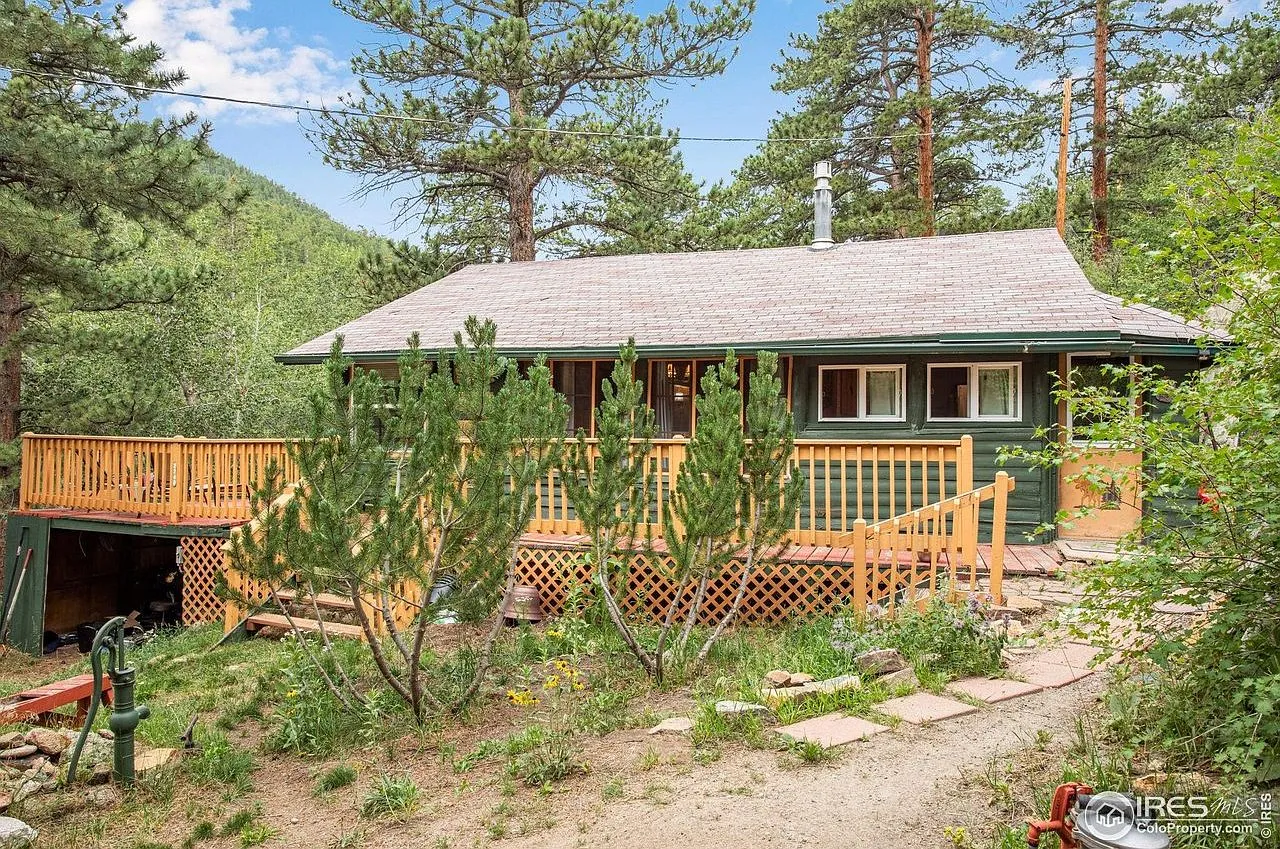
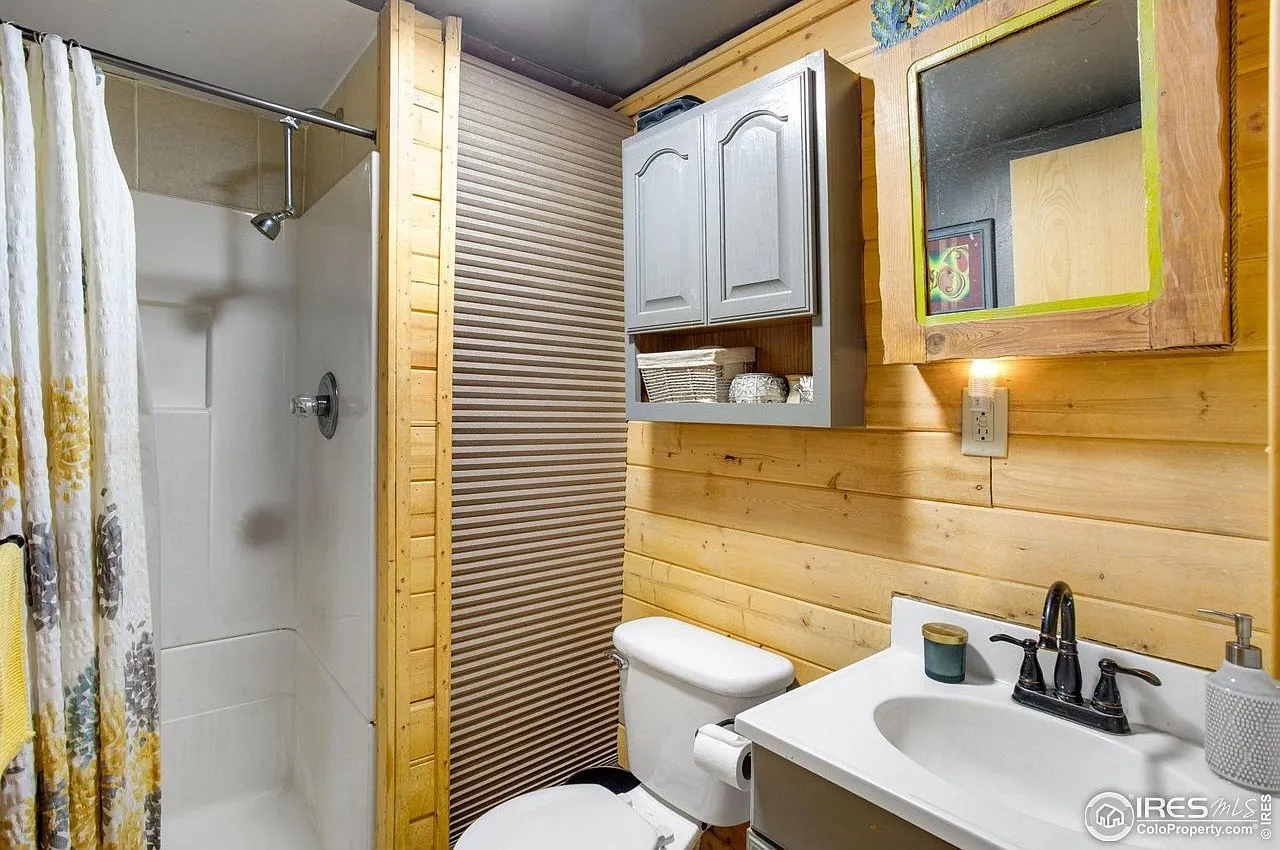
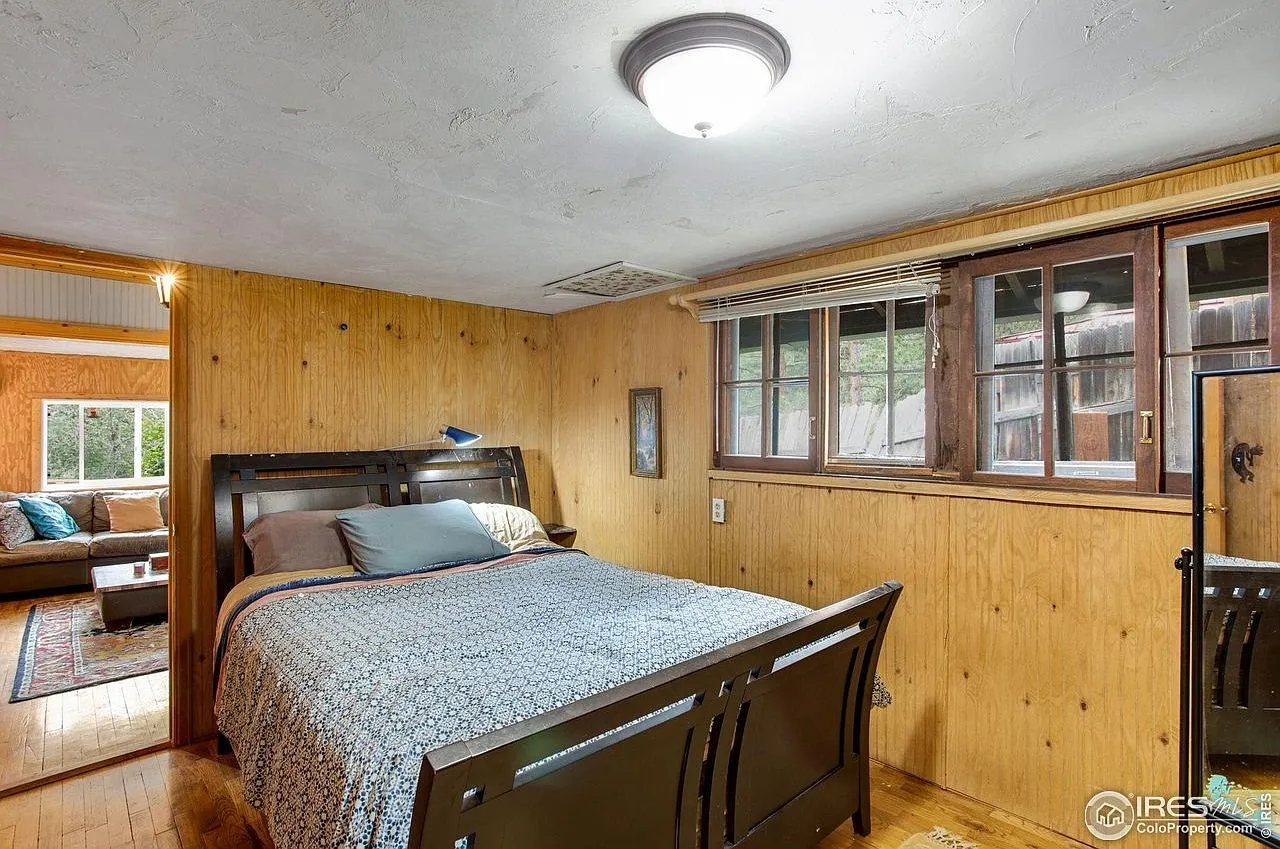
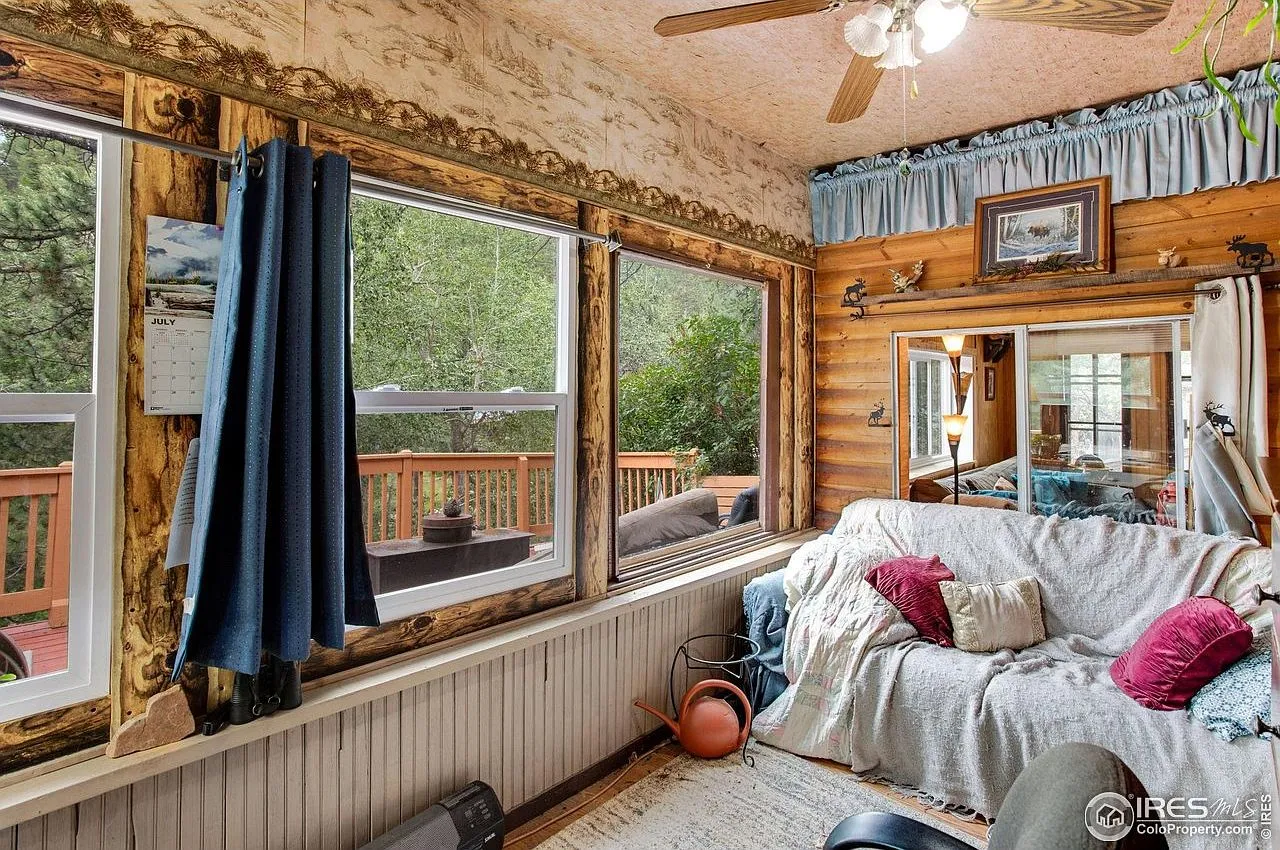
Built in 1920, it has log and frame construction, hardwood floors, a gas fireplace, and a south-facing study and living room that get real sun despite the canyon walls. Heat comes from two or more sources rather than a single furnace, cooling is a ceiling fan, and there is no basement.
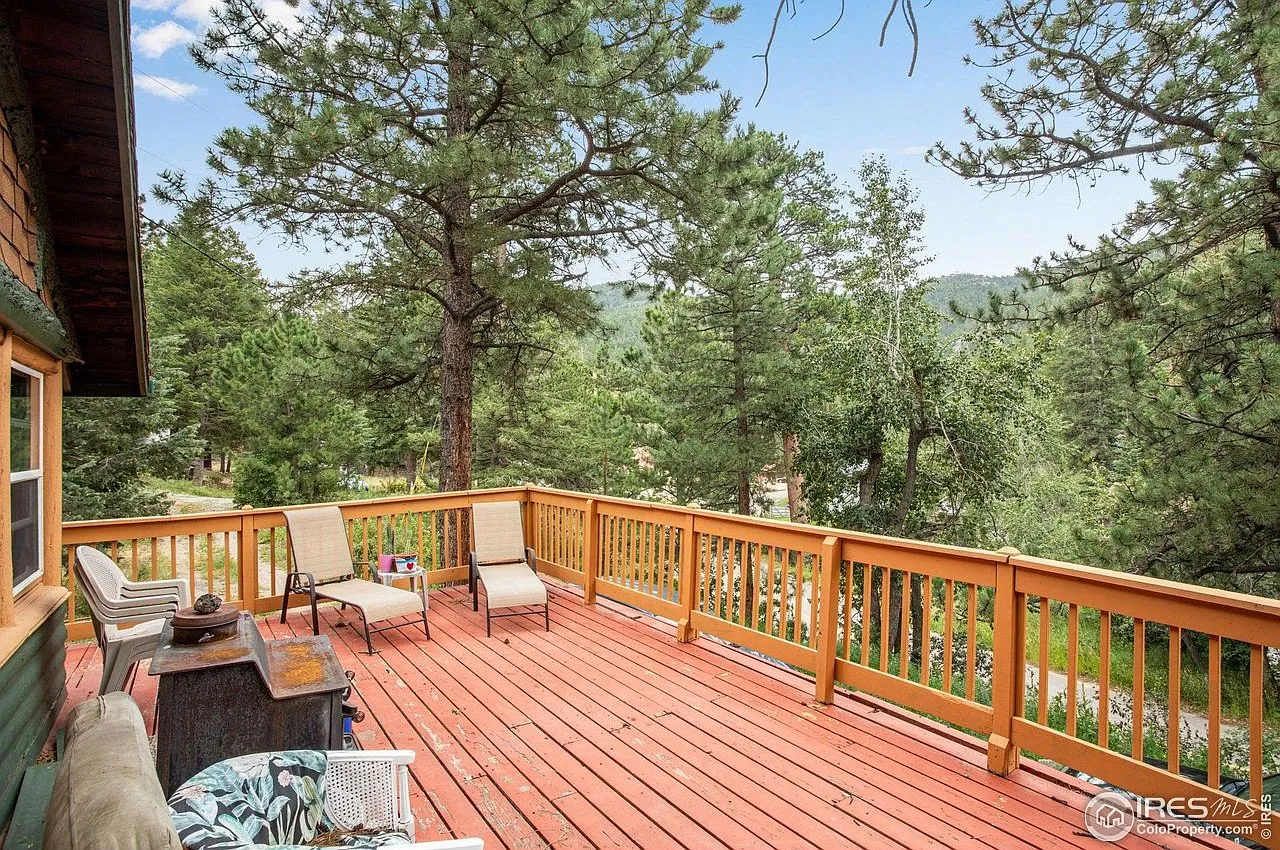
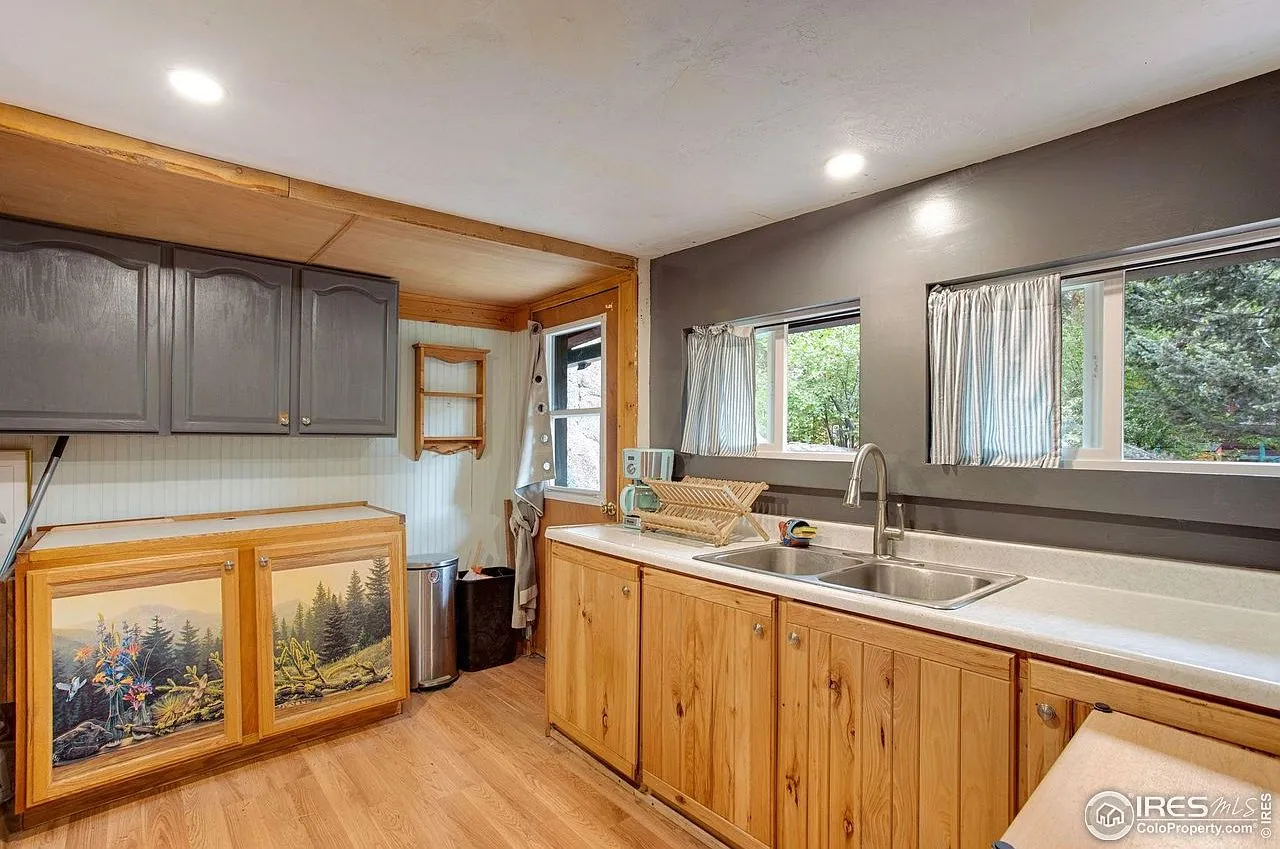
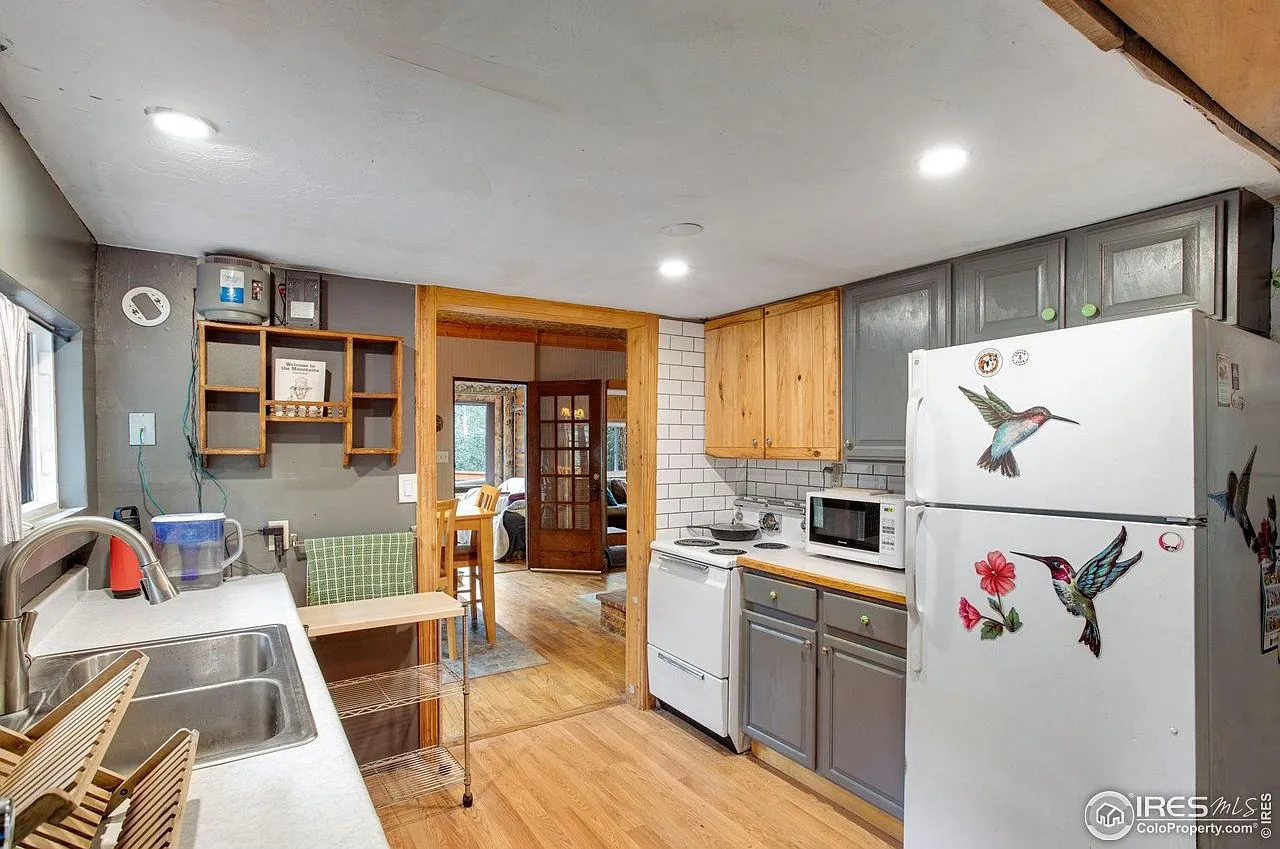
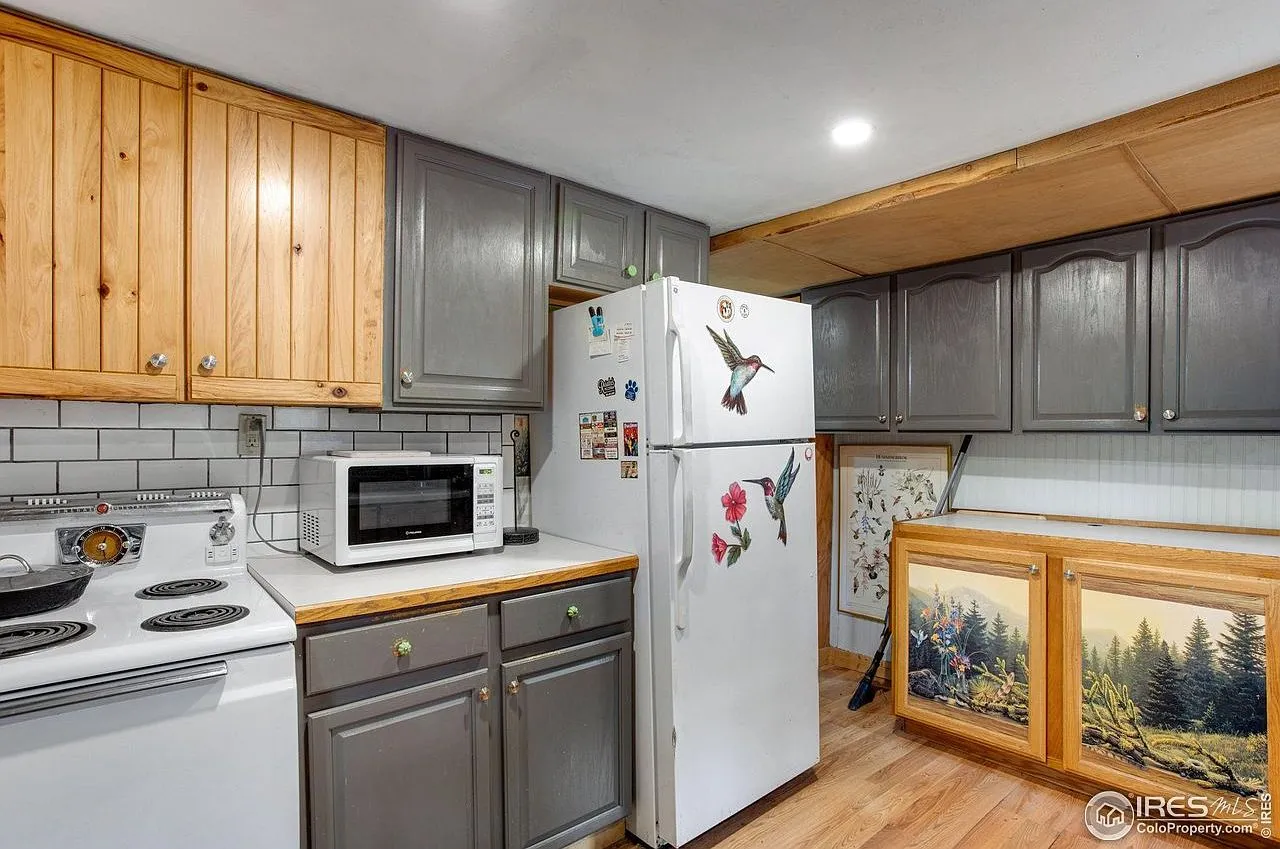
The county’s tax-assessed value, $395,000, runs well above the $298,800 ask, which is unusual and worth asking the listing agent about directly rather than assuming it is a simple discount.
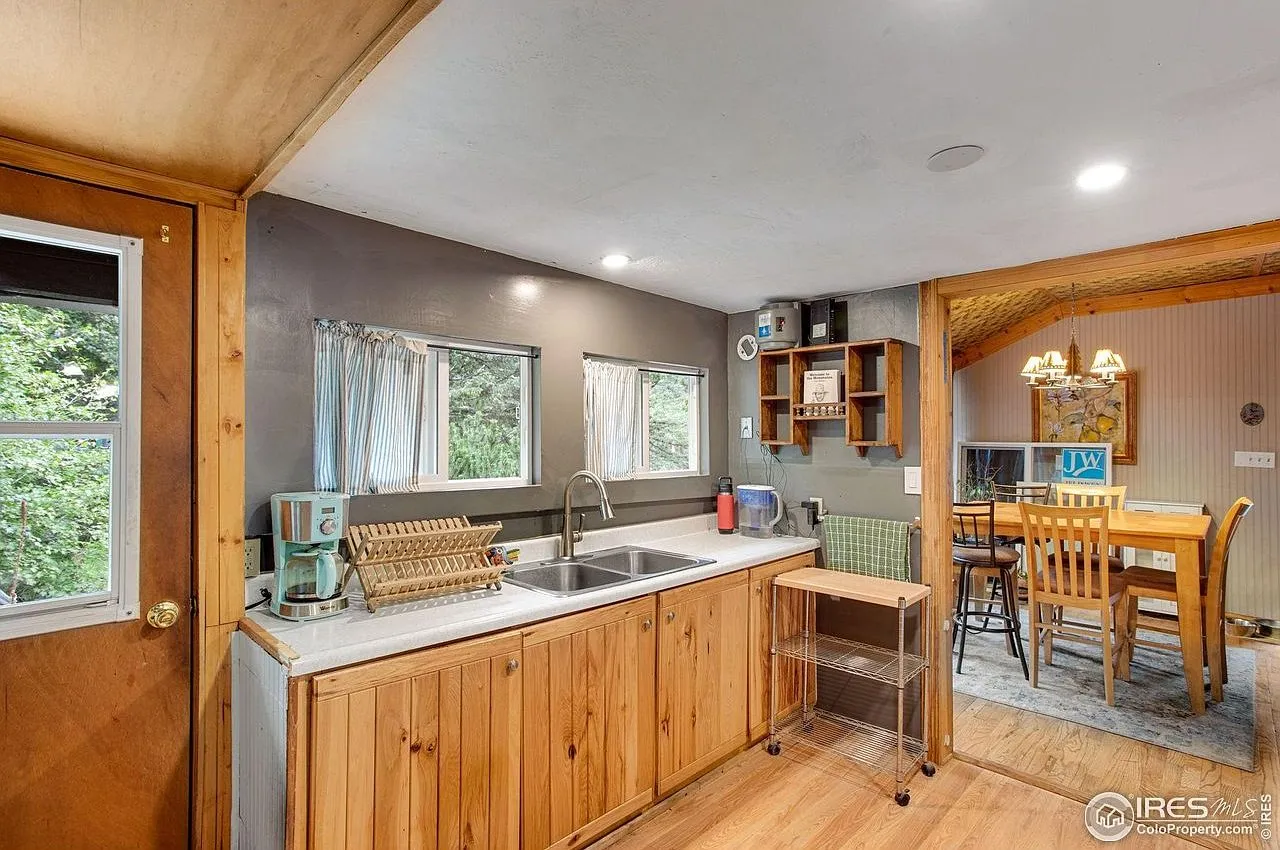
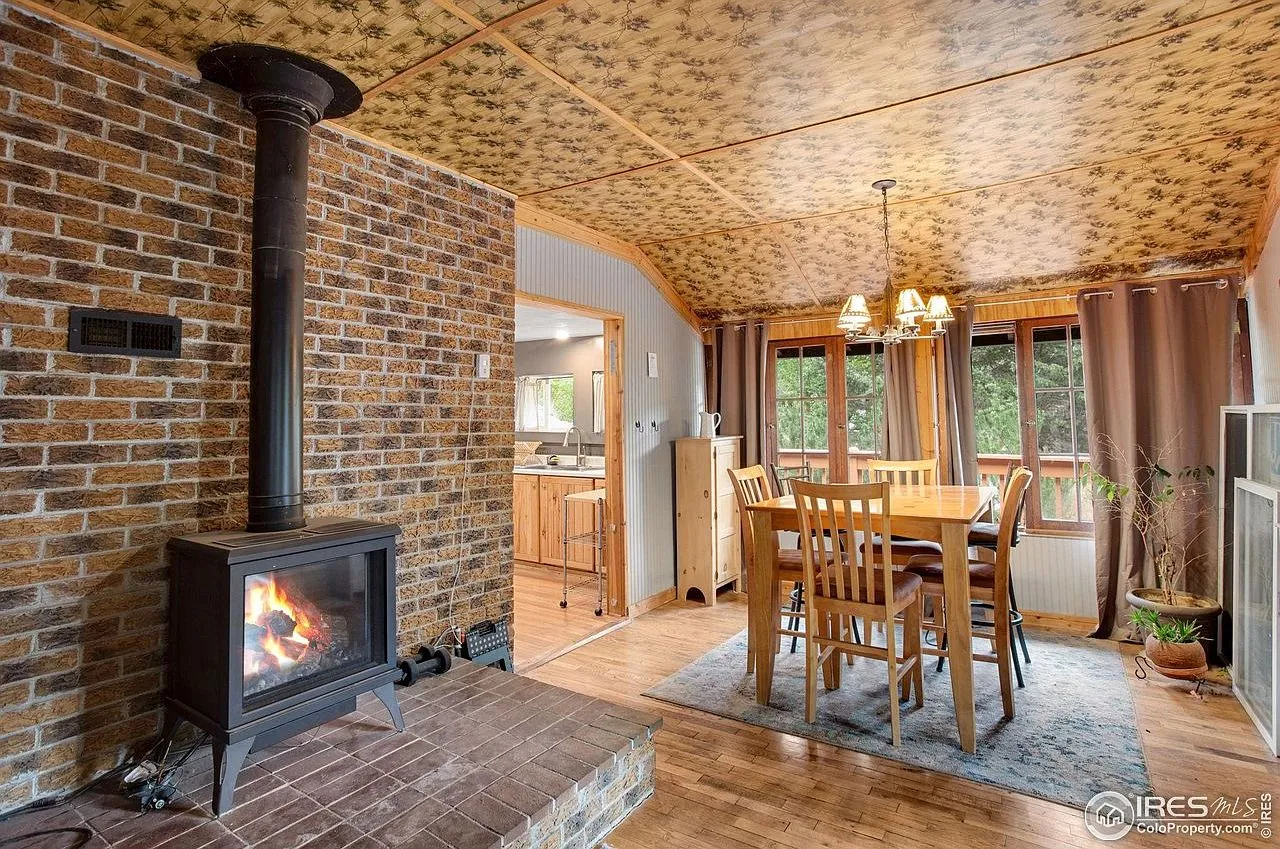
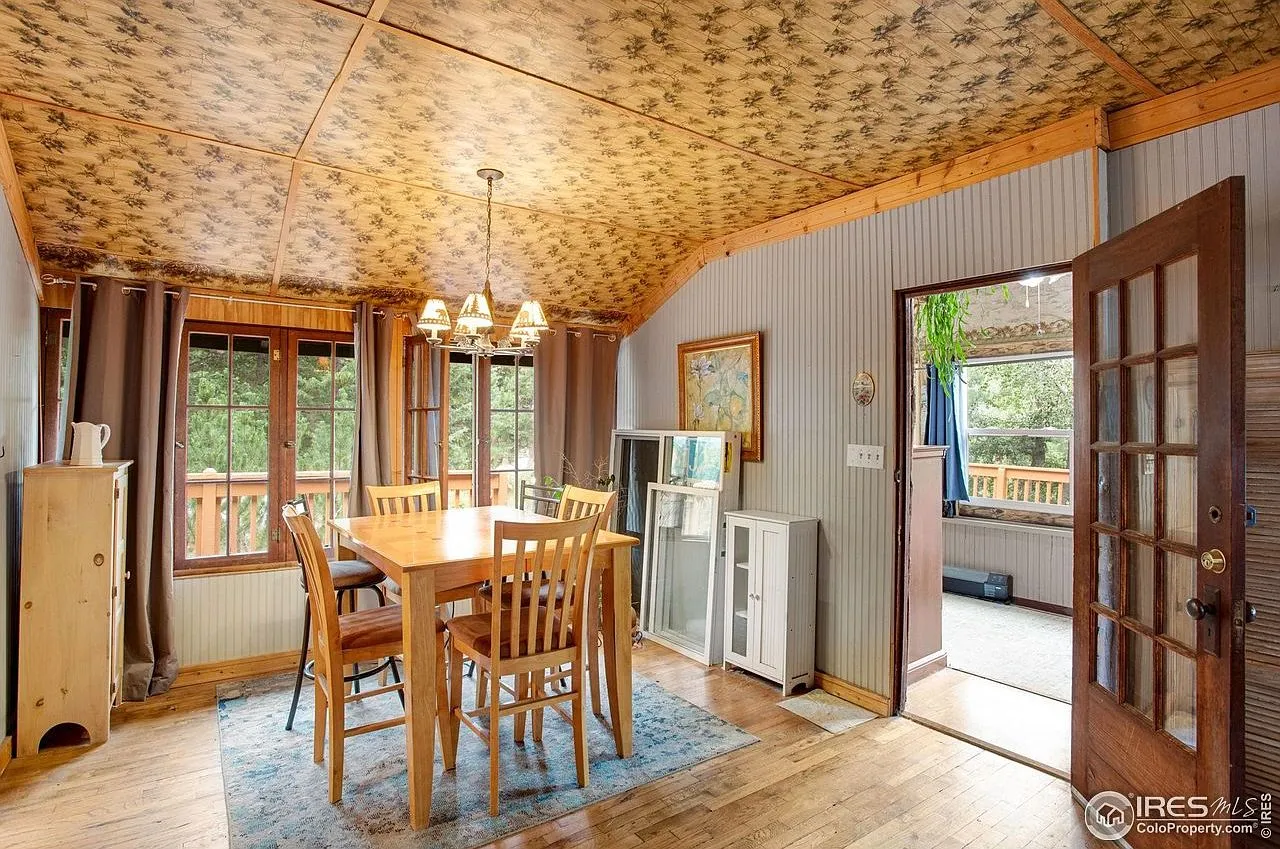
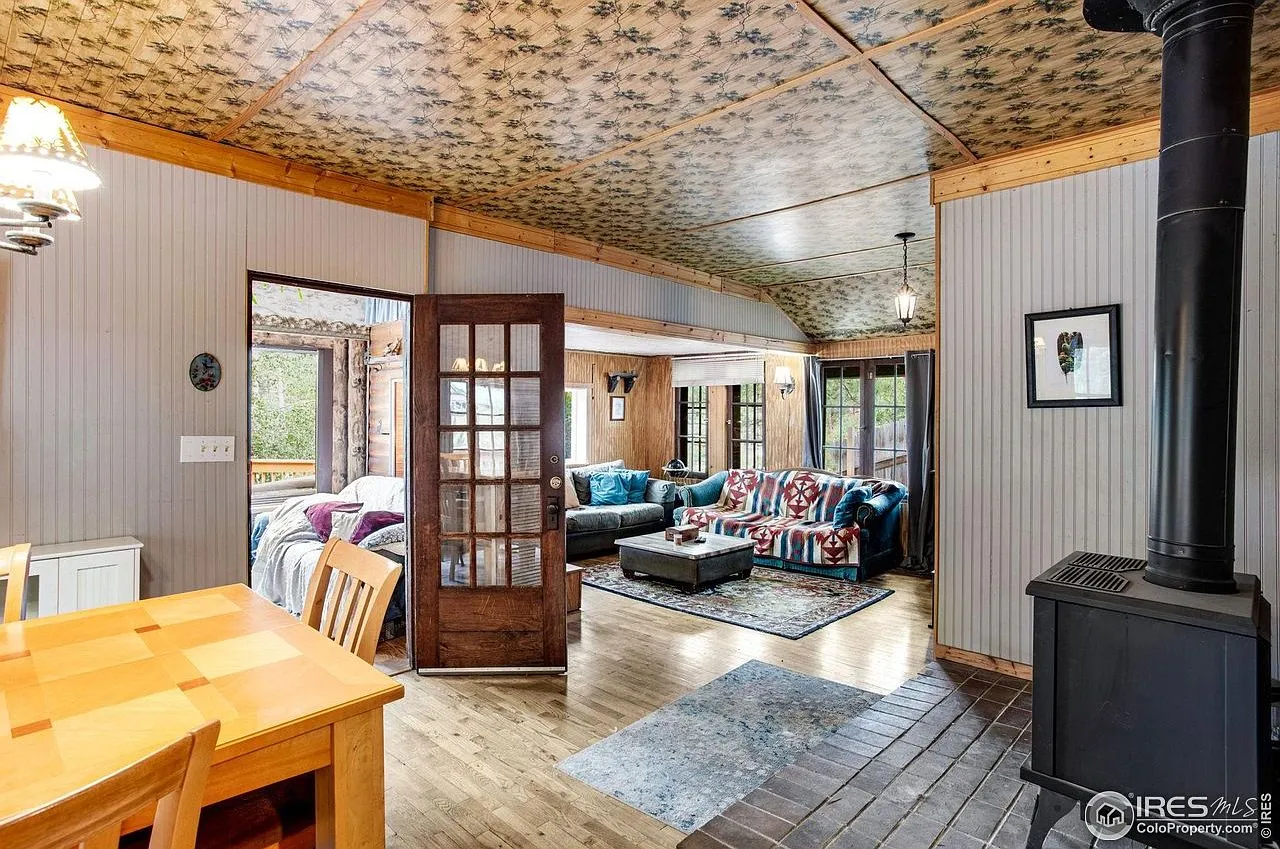
Unlike some of the hauled-water, cash-only properties we cover elsewhere, this one accepts cash, conventional, FHA, or VA financing, and it has no HOA. It has been listed since June 23, 2026, a sign that a 1920 cabin with known deferred maintenance takes longer to move than a turnkey house, even at this price.
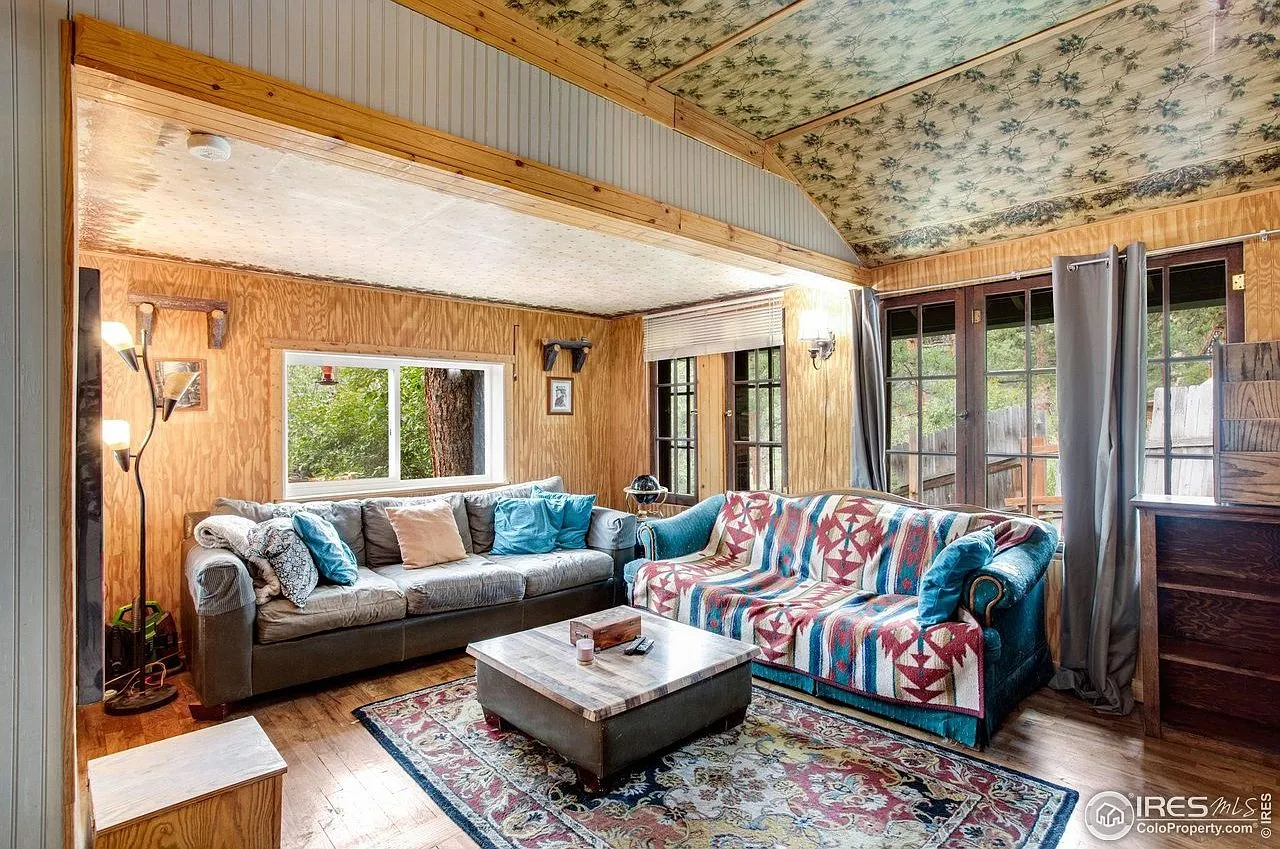
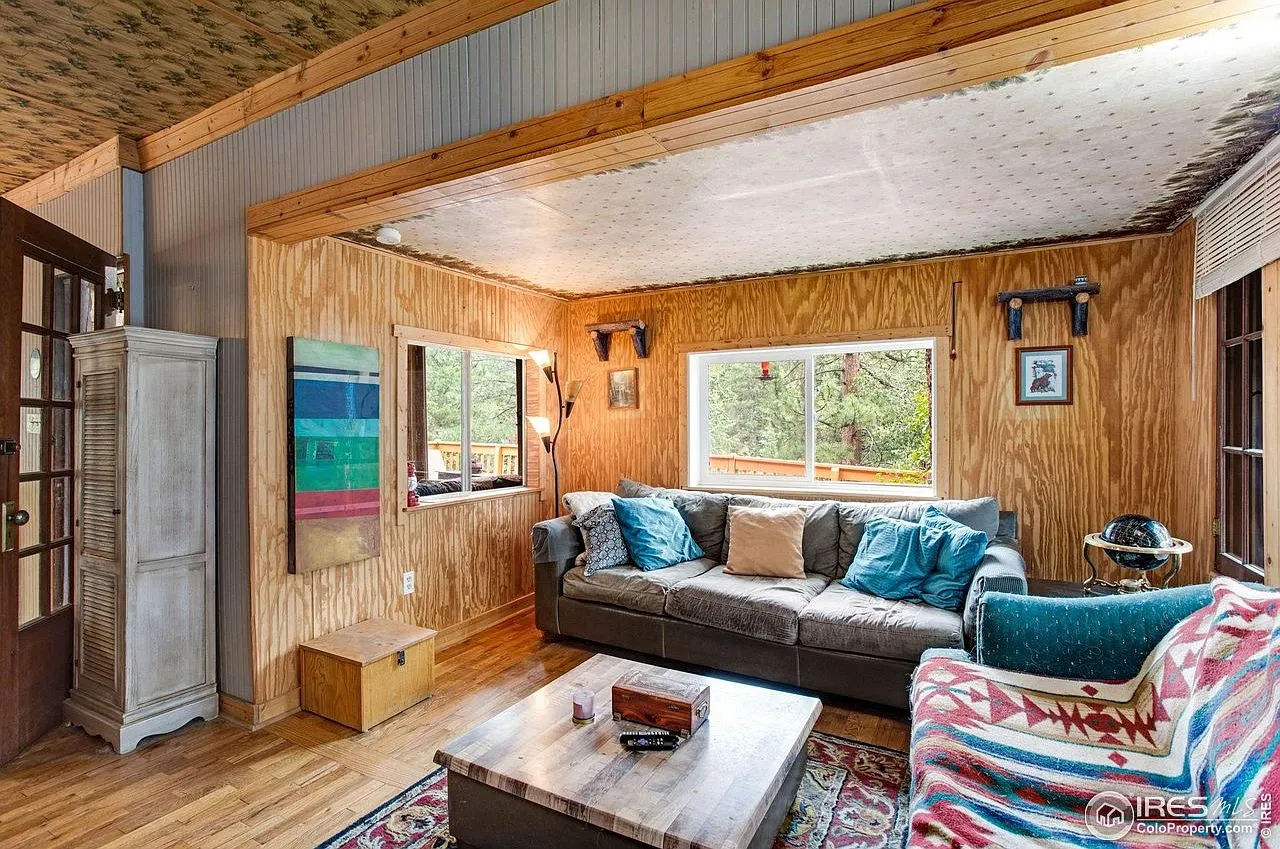
Dan Siddall at Gateway Realty Group has the listing, at 303-823-8400, through MLS #1040538.
What to weigh before you look here
A few things worth sorting out before getting attached to the idea of a home in this canyon. Lot size and buildable area are limited by the terrain itself, so acreage numbers can be misleading when most of that acreage is a 40-degree slope. Water and septic are rarely municipal out here. Expect a well and a septic system, or in some cases hauled water, the same setup we see on a lot of the rural listings we cover. Winter access depends on how exposed a specific driveway or stretch of road is, which varies house to house even within the same canyon. And insurance, particularly flood and wildfire coverage, deserves a real conversation with an agent who knows this specific stretch of Boulder County, not a generic quote.
If a creekside, off-grid-leaning property is the draw rather than the specific canyon, two we have covered recently run on similar systems: an off-grid cabin with a bunkhouse beside a stream in Mount Pleasant, Utah, and a two-bedroom cabin on hauled water near Fruitland, Utah. Both get into the same questions a canyon property like this one raises: water, access, and what a listing’s acreage figure actually means on the ground.
The full current lineup of listings we have reviewed this way is on the properties page. For the next property for sale inside South Saint Vrain Canyon itself, the Monday email is where new listings in areas like this get flagged first.
The email
We find the affordable end of this market: homes, land, and acreage listed well under the national median. The best of it goes out by email as we find it.