Article · Foreclosures
Florida Foreclosures in 2026: Where They Actually Are
Florida has the worst foreclosure rate in the country, but the hardest-hit metros are not the ones making headlines. Here is where the filings are concentrated, why, and what makes a Florida foreclosure different to buy.

- 1 in 373Florida homes with a foreclosure filing, first half 2026
- 27,494Florida properties with filings
- +33%Increase over the first half of 2025
- 5 of 10Worst metros in the country are in Florida
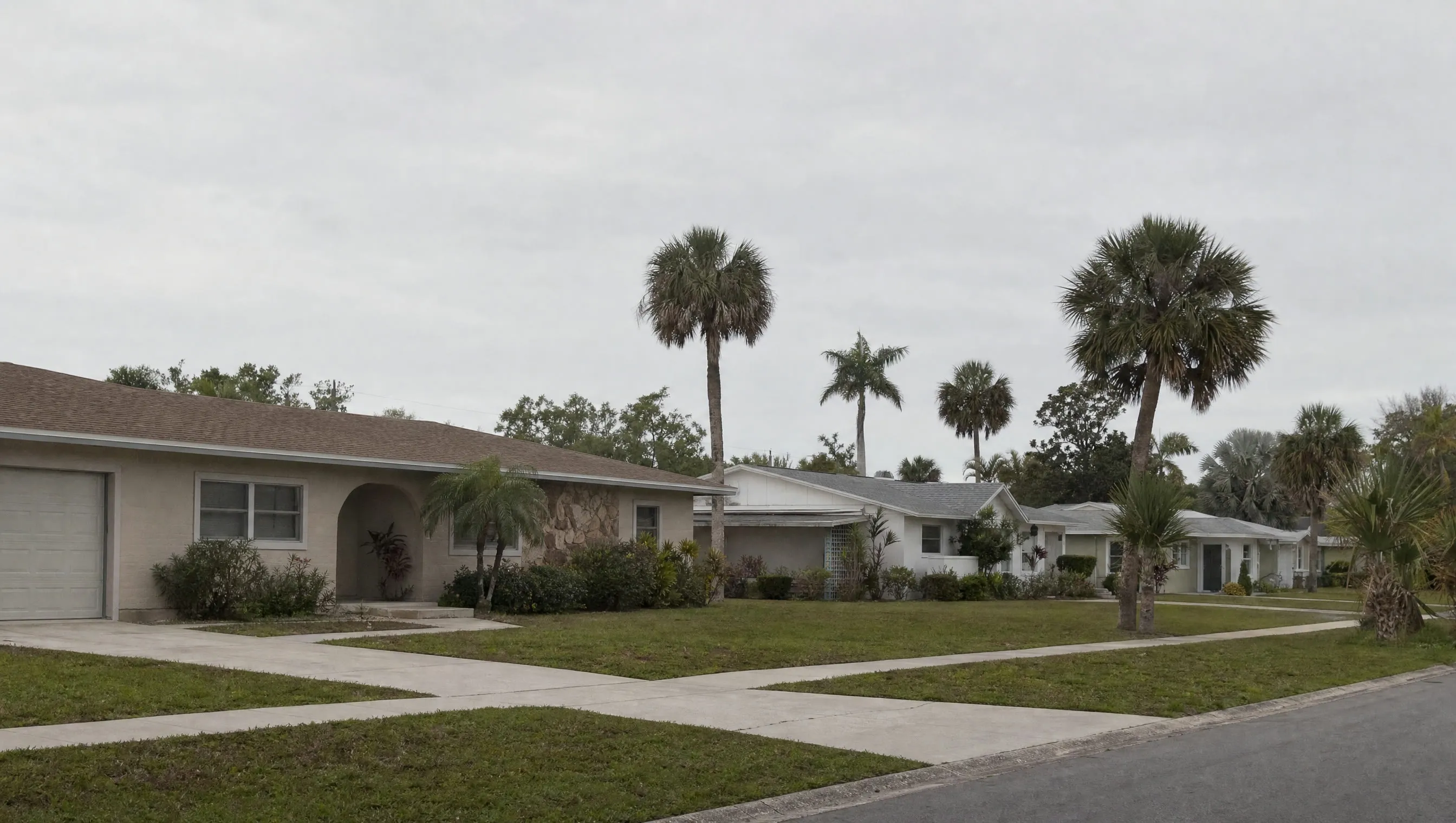
Florida has the worst foreclosure rate in the country. In the first half of 2026, 27,494 Florida properties received a foreclosure filing, roughly one in every 373 homes, against a national average closer to one in 625.
Filings there are up 33% from a year ago and 37% from two years ago.
The interesting part is where they are. Search interest clusters around Tampa and Miami, but neither is where the pressure is worst.
The five metros carrying it
Of the ten worst metro foreclosure rates in America in the first half of 2026, five are in Florida:
| Metro | Share of homes with a filing |
|---|---|
| Punta Gorda, FL | 0.50% |
| Lakeland, FL | 0.48% |
| Columbia, SC | 0.43% |
| Macon, GA | 0.36% |
| Fayetteville, NC | 0.36% |
| Cape Coral, FL | 0.35% |
| Cleveland, OH | 0.33% |
| Jacksonville, FL | 0.31% |
| Ocala, FL | 0.31% |
| Jacksonville, NC | 0.31% |
Punta Gorda has the worst rate of any metro in the country. Lakeland is second, and among metros over 500,000 people it is first, at one filing per 421 housing units in the second quarter.
None of these are Miami. None are Tampa proper. They are mid-sized inland and Gulf Coast markets, mostly places that grew quickly during the pandemic price surge.
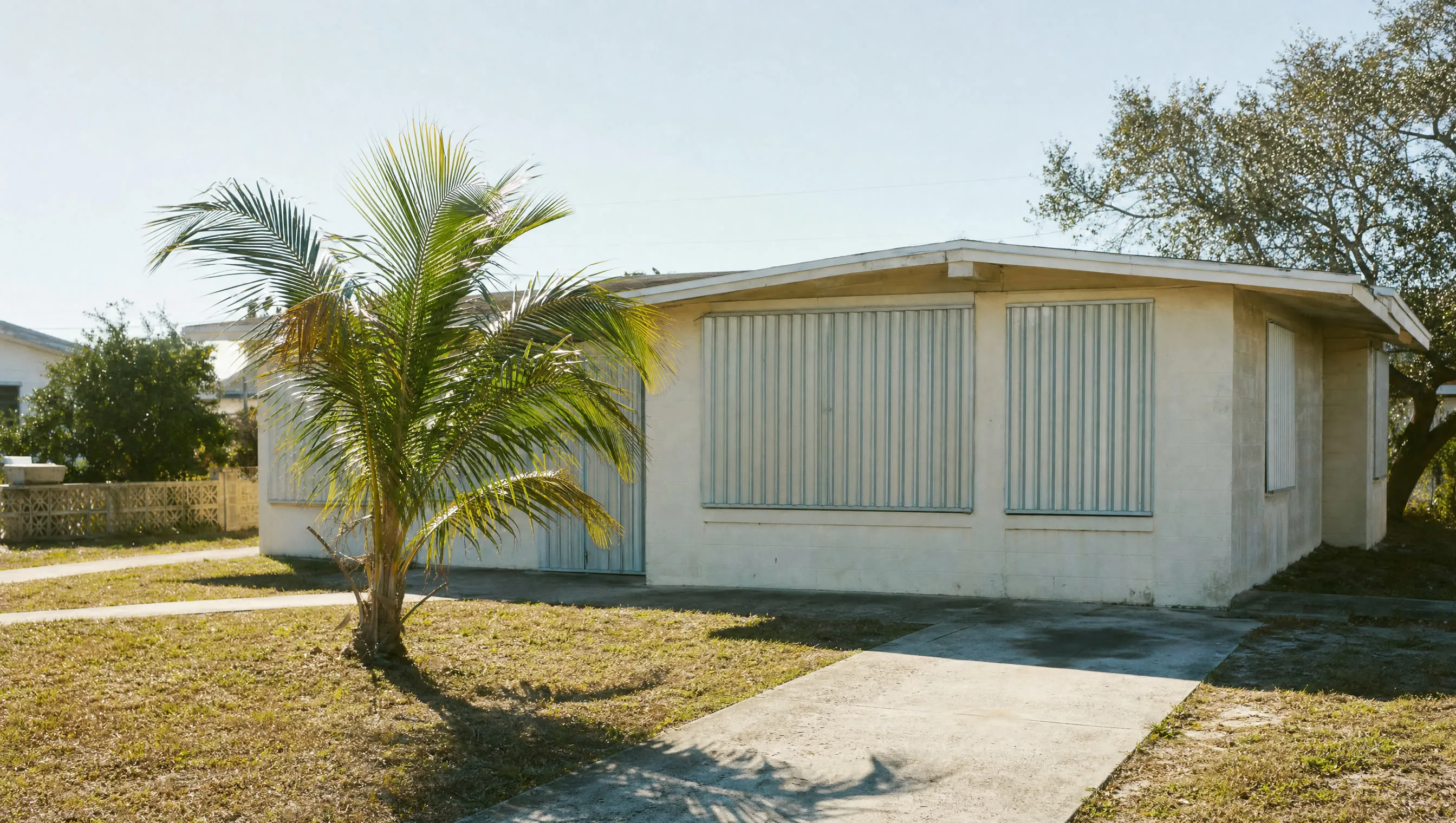
Why Florida specifically
The rest of the country’s increase is largely the unwinding of pandemic-era protections. Florida has that plus three costs that hit harder here than anywhere else.
Insurance. Premiums have risen sharply across much of the state, and in some coastal markets coverage has become difficult to obtain at any price. For a homeowner, that is a monthly payment that grew without the mortgage changing. For a buyer, it is worse: if a property cannot be insured, a lender will not close on it.
Condo and HOA assessments. After the Surfside collapse, Florida’s SB 4-D imposed milestone inspection and structural reserve requirements on older condo buildings. Associations that had underfunded reserves for years suddenly had to fund them, and the cost landed on owners as special assessments. Some of those assessments run into five figures on units whose owners were already stretched.
Taxes and the reversal of the boom. Homes bought at the top of the 2021 to 2022 run-up carry tax bills set against those values, in a market where prices have cooled and homes take longer to sell. An owner who needs to exit no longer has the easy option of selling into a frenzy.
Together those explain why the distress concentrates where it does. Punta Gorda, Cape Coral and Lakeland are exactly the markets that saw the sharpest pandemic price gains and carry the heaviest insurance exposure.
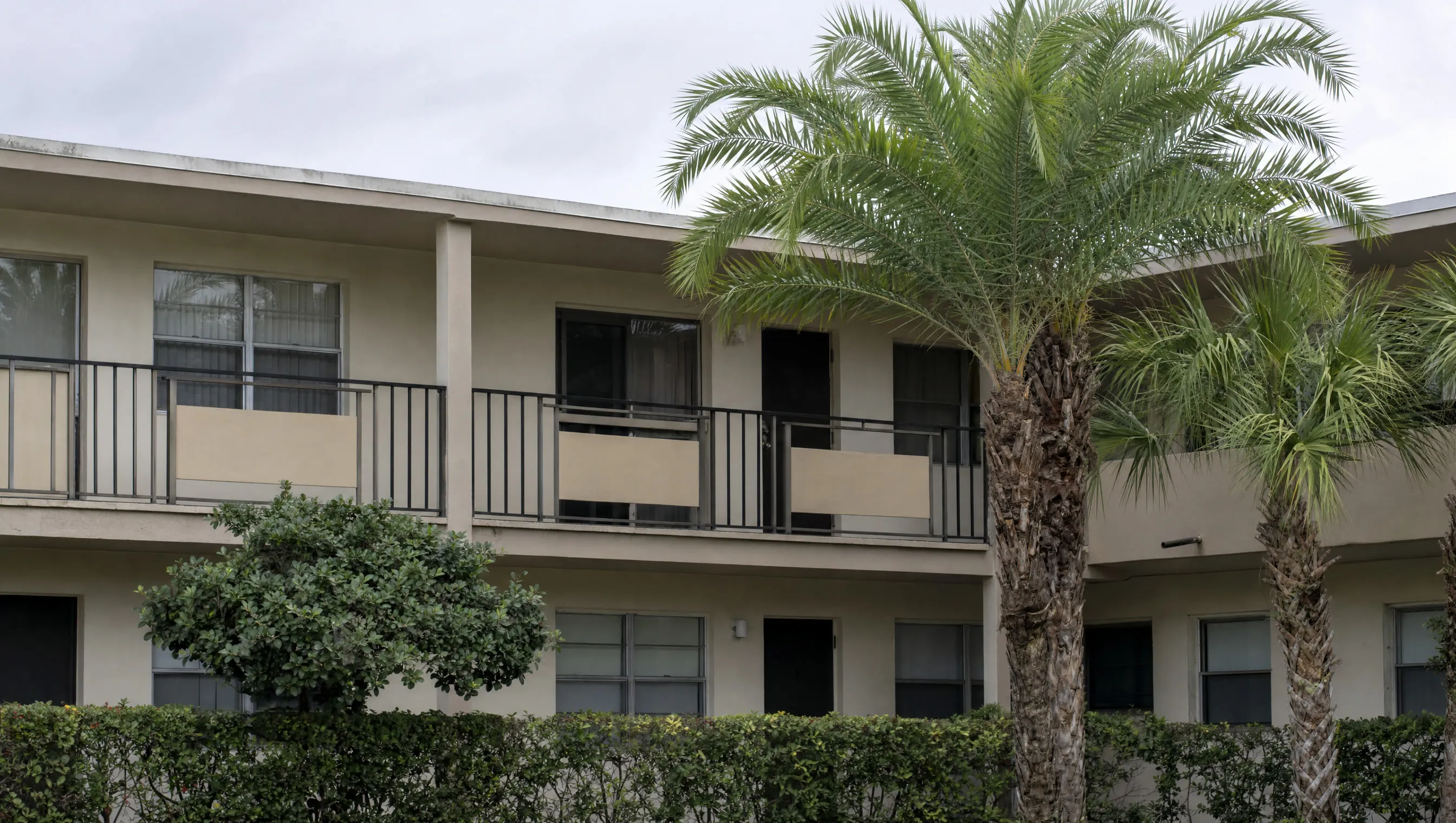
What makes a Florida foreclosure different to buy
Foreclosure buying carries the usual risks everywhere: as-is condition, limited or no inspection, title questions. Florida adds several that are specific enough to catch out-of-state buyers.
HOA assessments can survive the sale. Depending on how the foreclosure proceeds and who forecloses, unpaid association dues and special assessments may follow the property to the new owner. On a condo facing a structural assessment, that liability can be larger than the discount.
Insurance can block the purchase entirely. A property in a coastal or high-risk zone that cannot be insured cannot be financed. Buyers have gone to closing and failed there.
Flood zone status changes. Reclassification affects both insurance cost and what can be built or rebuilt, and the zone on an old listing may not be the current one.
Condo buildings carry their neighbors’ problems. In a building under a milestone inspection order, a cheap unit may come with a share of a repair bill the association has not yet finished assessing.
Long timelines mean long vacancies. Florida is a judicial foreclosure state, so cases run through court. A property that sat empty through a multi-year process has usually not been maintained, and in a humid climate that shows up as moisture and mold.
None of that makes Florida a bad market. It makes it a market where the due diligence list is longer than the discount is obvious.
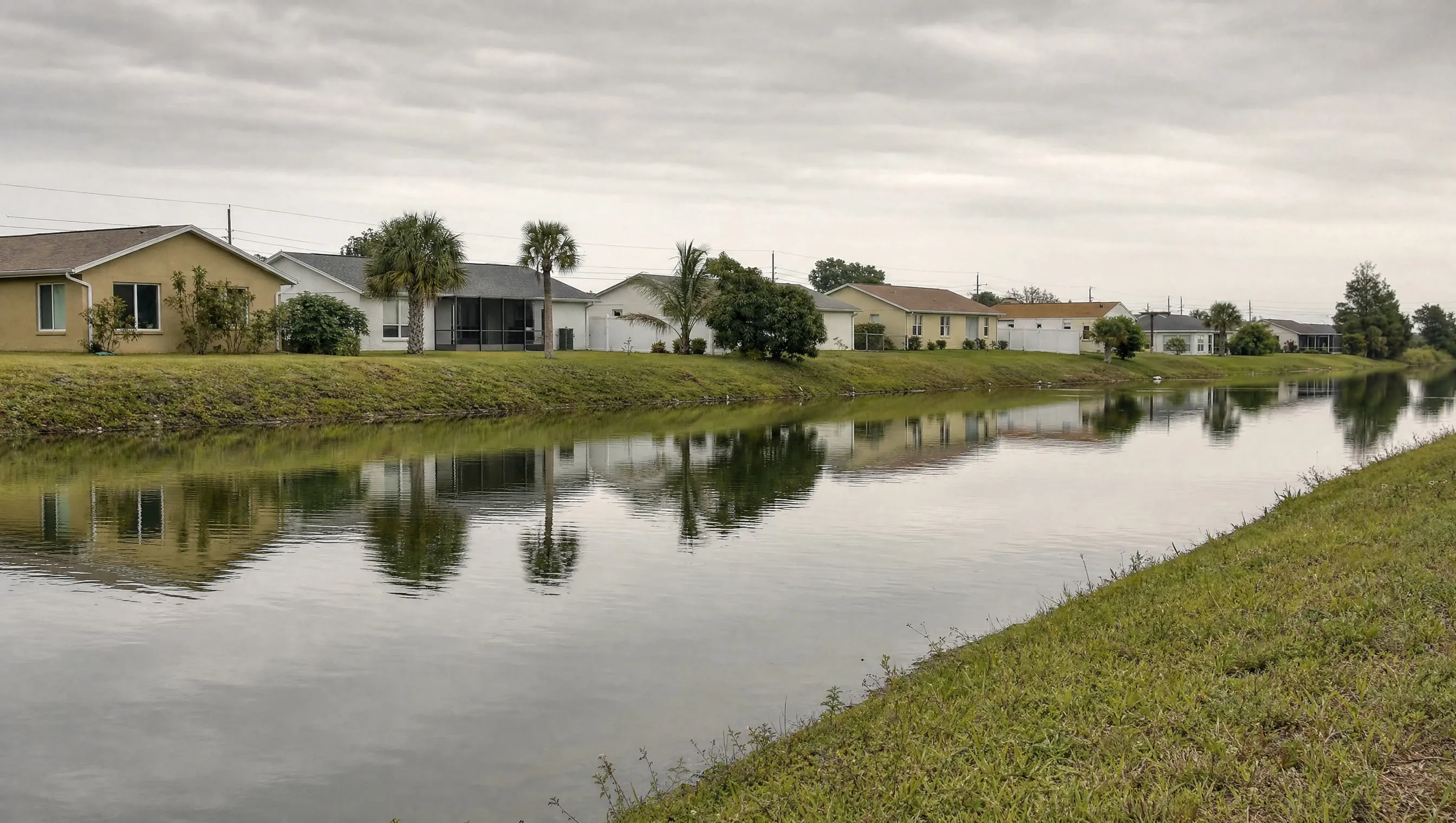
What to check before you bid
Pull the association’s financials and any pending assessment before touching a condo. Get an insurance quote on the specific address, not a general estimate, before assuming financing is possible. Check the current flood zone rather than the one on an old listing. Search for tax liens and code enforcement liens separately from the title search. And look at how long the property has been vacant, because that number predicts the condition better than the photos will.
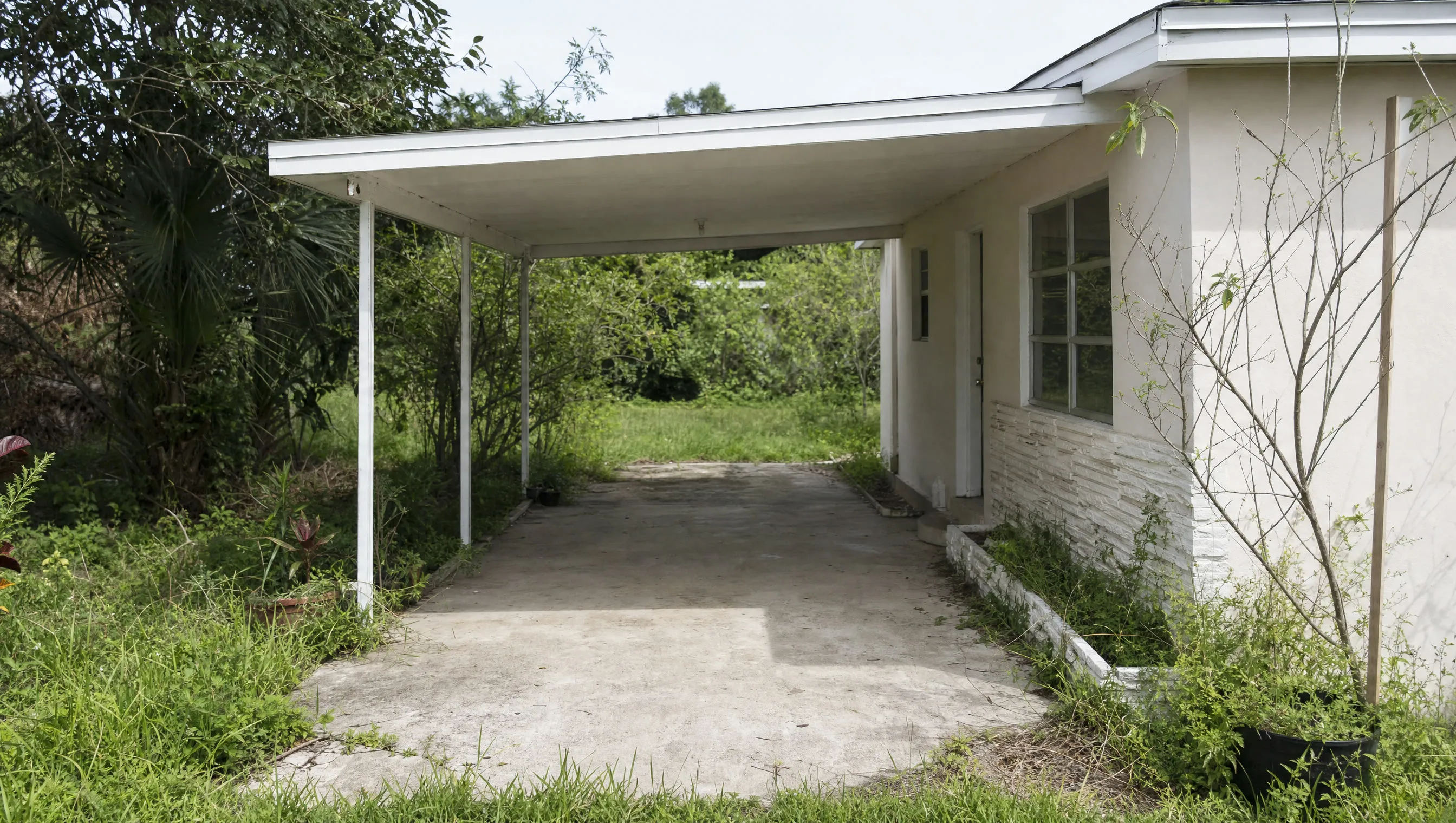
The short version
Florida leads the country in foreclosures, and the filings are concentrated in Punta Gorda, Lakeland, Cape Coral, Jacksonville and Ocala rather than in the metros that get searched most.
The causes are specific: insurance, condo assessments, and a price boom that reversed. Those same causes are what makes buying here different, because the costs that pushed the previous owner out do not disappear when the property changes hands.
Frequently asked questions
Which Florida city has the most foreclosures? By rate, Punta Gorda has the highest of any U.S. metro at about 0.50% of housing units in the first half of 2026, followed by Lakeland at 0.48%. Cape Coral, Jacksonville and Ocala also rank in the national top ten.
Why are Florida foreclosures rising? Sharply higher property insurance premiums, condo and HOA special assessments driven partly by post-Surfside inspection and reserve requirements, high tax bills set against peak-era values, and the expiration of pandemic-era mortgage assistance.
Is Florida a judicial foreclosure state? Yes. Foreclosures go through the courts, which makes the process slower than in states like Texas and means properties can sit vacant for extended periods before reaching the market.
Do HOA fees carry over when you buy a foreclosure in Florida? They can, depending on the type of foreclosure and who initiated it. Unpaid assessments are one of the most common unpleasant surprises for buyers of Florida condos and HOA-governed homes, and they should be researched before bidding.
Can you get insurance on a Florida foreclosure? Not always, and this is the issue that most often stops a purchase. Coverage availability depends on the specific address, its age, roof condition and flood zone. Get a quote on the actual property before assuming a deal is financeable.
Where can I find current Florida foreclosure listings? Current Florida foreclosure listings are searchable by county and price band, updated as filings are recorded, and our foreclosures page has the same search plus every state.
The email
We find the affordable end of this market: homes, land, and acreage listed well under the national median. The best of it goes out by email as we find it.