Article · Housing market
Will the Housing Market Crash in 2026?
Search interest in a housing crash is at its highest in years. The data says the market is rebalancing, not collapsing, and the reasons why come down to four things 2008 had that 2026 does not.

- $440,600Median existing-home price, June 2026, an all-time high
- 36Consecutive months of annual price growth
- 4.6Months of supply in June, still below a balanced market
- 4MHomes the U.S. is short, by Realtor.com's estimate
Searches for a housing market crash are running at their highest level in years. In a Clever Offers survey, 40% of people planning to buy or sell in 2026 said they worry about one.
The data does not support it. What the numbers describe is a market that is cooling, rebalancing, and becoming much more local, which is a different thing and feels similar from the inside.
Here is what is happening, and the four specific reasons 2026 does not resemble 2008.
What the numbers say right now
Prices are still rising, barely. The median existing-home price hit $440,600 in June 2026, an all-time high, up 1.8% from a year earlier. That was the 36th consecutive month of annual price growth. List prices, which lead sale prices, are already moving the other way: Realtor.com put the national median list price at $428,950 in July, down 2.4% from a year earlier.
Inventory is up, from a very low base. About 1.56 million existing homes were for sale in June, up 1.3% from a year earlier, a 4.6-month supply. Six months is generally considered balanced. The market is loosening and still tighter than normal.
Demand is softening. Pending home sales fell 5.4% from May to June. Mortgage rates sat between 6.65% and 6.69% through August, and in early August rose above their year-earlier level for the first time in 44 weeks.
Construction is retreating. Housing starts fell 12.4% in July and were down 13.5% from a year earlier. Single-family starts fell 9.9%. Fewer homes are being built into a shortage.
That is a slowdown. It is not a collapse. A crash is a rapid, broad decline in prices driven by forced selling, and prices are still up year over year.
The four things 2008 had that 2026 does not
Bad loans. The 2008 crash was built on mortgages given to people who could not repay them, with adjustable rates that reset upward and documentation standards that ranged from thin to fictional. Post-crisis rules changed that. Lenders must verify ability to repay, and the loans written since are overwhelmingly fixed-rate to borrowers with documented income.
Rate shock. Millions of 2000s mortgages were adjustable and reset to payments the borrower could not make. Most current American homeowners hold a fixed-rate loan, many at rates far below today’s. Their payment does not change when the market does.
Negative equity. In 2008, millions owed more than their houses were worth, which turns a job loss into a foreclosure and a foreclosure into a fire sale. American homeowners now hold record equity. An owner in trouble today can usually sell rather than default.
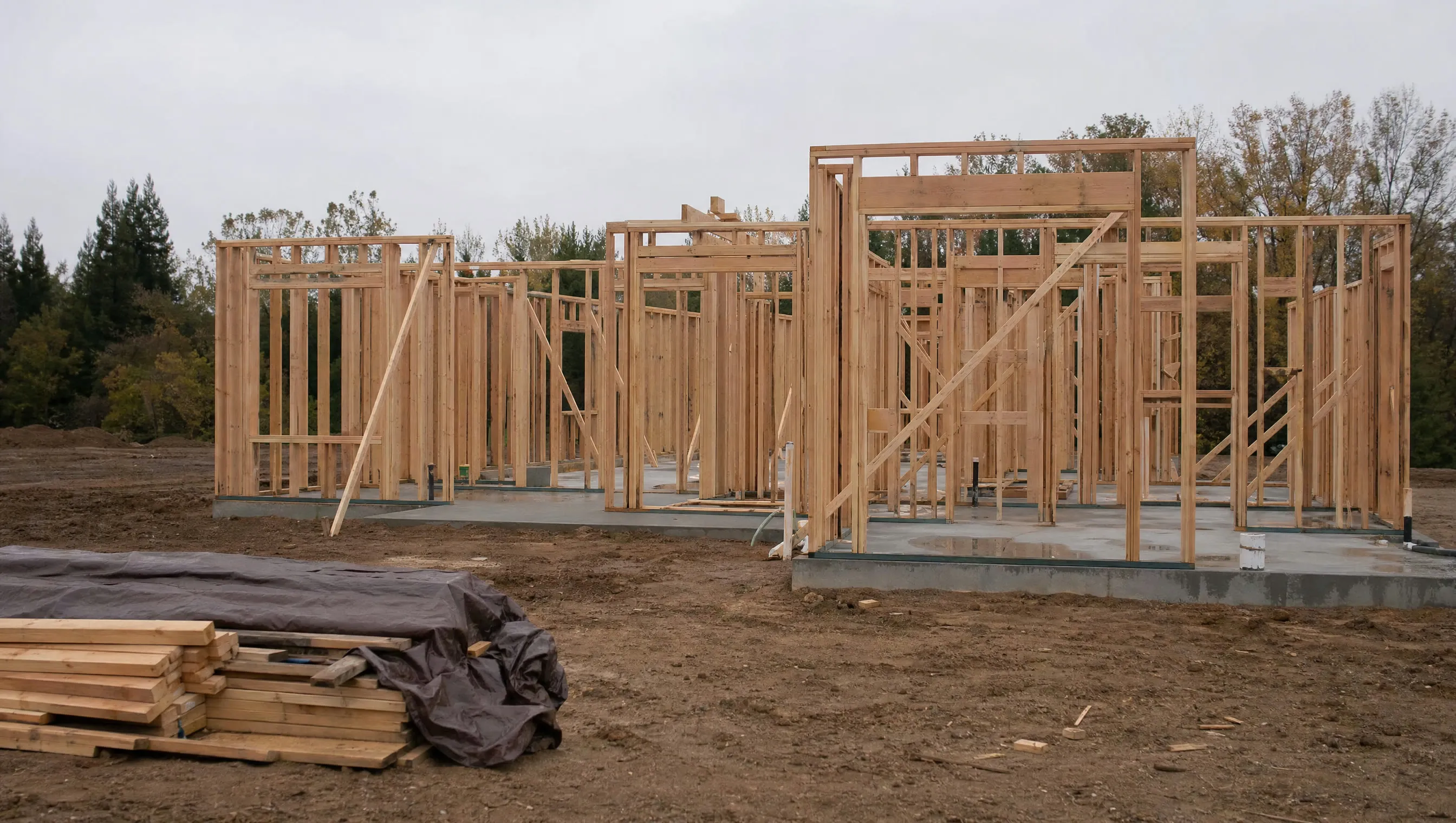
Oversupply. The 2000s built far more housing than the country needed, and when demand vanished the excess collapsed prices. The United States is now short roughly four million homes by Realtor.com’s estimate, and just cut construction by another 12%. A shortage does not produce a price collapse.
Foreclosures are the tell. Filings rose 21% in the first half of 2026 and still sit below where they ran before the pandemic, because they are unwinding from pandemic-era lows rather than spiking from a lending failure.
What is happening instead
Affordability, not solvency, is the problem. Prices at record highs plus rates near 6.7% mean the monthly payment is out of reach for a lot of people who could have bought the same house five years ago. That does not force existing owners to sell. It just stops new buyers from entering.
The result is a standoff. Buyers cannot pay what sellers want. Sellers, mostly not distressed and mostly holding cheap fixed-rate mortgages, do not have to accept less. So homes sit, inventory builds slowly, and price growth flattens.
And it is increasingly local. Austin’s median list price was down 4.9% year over year in July, the largest drop among major metros, with 56% of its listings carrying a price cut. Across the West, list prices fell 3.9%. In the Midwest they rose 0.2%. Those are not the same market having the same experience. National averages describe fewer and fewer actual places.
Where prices could fall
A national crash is unlikely. Local declines are already happening, and they cluster in predictable places.
Markets that overshot during the pandemic. Places that saw the sharpest 2020 to 2022 gains have the most to give back. Austin is the clearest case.
Markets with a cost shock. Florida is the example: insurance premiums and condo assessments have made ownership more expensive without the mortgage changing, which is why foreclosure filings there lead the country.
Markets dependent on one industry. A local employer contracting takes the local housing market with it.
What those have in common is a specific local cause. That is different from a national credit event, which is what 2008 was.
What it means if you are buying
The standoff favors patient buyers more than any point in the last five years. Inventory is up, homes sit longer, price cuts are common, and sellers are increasingly willing to negotiate on concessions even when they will not move on price.
Waiting for a crash is a poor strategy. If rates fall, buyers return and competition rises, which is why the affordability improvement people are waiting for tends to be self-cancelling. The more useful question is not whether the market will crash but whether a specific house in a specific place is priced correctly for its own market.
Frequently asked questions
Will the housing market crash in 2026? The data does not point that way. Prices were still up 1.8% year over year in June, inventory remains below a balanced six-month supply, and the country is short roughly four million homes. The market is cooling and becoming more local rather than collapsing.
Why do people think a crash is coming? Prices are at record highs, mortgage rates near 6.7% have made monthly payments difficult, and the last time housing felt unaffordable it ended in the 2008 crash. The conditions that caused that crash are largely absent now.
How is 2026 different from 2008? Four main ways: lending standards are far tighter, most homeowners hold fixed-rate mortgages, homeowner equity is at record levels rather than deeply negative, and the country has a housing shortage rather than an oversupply.
Are home prices falling anywhere? Yes, locally. Austin’s median list price was down 4.9% year over year in July, the largest decline among major metros. Markets that overshot during the pandemic, markets facing insurance and tax shocks, and markets tied to a single industry are all seeing declines while others hold.
Should I wait for prices to drop before buying? Waiting carries its own risk. If mortgage rates fall, buyer competition returns and prices firm up, which cancels much of the affordability gain. Whether a specific home is priced right for its own local market matters more than the national direction.
What would cause a crash? A broad credit event, a severe recession with widespread job losses, or a large forced-selling wave. None of those is visible in current data, though a sharp enough economic downturn could change that.
The email
We find the affordable end of this market: homes, land, and acreage listed well under the national median. The best of it goes out by email as we find it.