Article · Foreclosures
Texas Foreclosures: The First Tuesday Auction Explained
Texas leads the country in foreclosure starts and moves faster than any other state. Every auction happens on the same day of the month. Here is how the process works and what a buyer needs to know before showing up.

- 20,739Texas foreclosure starts, first half of 2026
- 155Average days in foreclosure, fastest in the country
- 1st TueWhen every foreclosure auction in Texas happens
- 21 daysMinimum notice before a sale

Texas has more foreclosure starts than any state in the country, 20,739 in the first half of 2026, and it moves them faster than anywhere else. The average Texas foreclosure takes 155 days from first filing to completion. In Louisiana the same process averages 3,491 days.
That difference is not economic. It is procedural, and it shapes everything about buying distressed property here.
Why Texas is fast
Most Texas foreclosures are non-judicial. The deed of trust contains a power-of-sale clause, which lets the lender foreclose without filing a lawsuit or appearing before a judge. No court date, no docket, no hearing.
Federal rules still require the loan to be more than 120 days delinquent before the first formal filing. After that, the state’s own timeline is short:
Notice of Default and Intent to Accelerate. The borrower gets at least 20 days to cure the default.
Notice of Sale. Filed with the county clerk, posted at the courthouse, published, and mailed to the borrower at least 21 days before the sale date.
The auction. On the first Tuesday of the following month.
From the first notice to the auction can run as little as 41 days. Even counting the federal delinquency period, the whole thing often finishes inside six or seven months, which is why the state average lands where it does.
The first Tuesday
Texas Property Code section 51.002 sets the rule: foreclosure sales happen on the first Tuesday of each month, between 10 a.m. and 4 p.m., at the county courthouse, regardless of holidays. The sale must begin at the time stated in the notice, and no later than three hours after it.
Every county. Same day. Roughly 254 auctions running in parallel across the state, twelve times a year.
For a buyer that has practical consequences. You can only attend one county’s auction per month, so you choose in advance rather than shopping around. Preparation happens in the three weeks before, not on the day. And a property you miss is not available again next week.
The auctions are usually conducted by a trustee or substitute trustee rather than a county official, which is why they are often called trustee sales.
Finding the sales is the hard part
Texas has no statewide database of upcoming foreclosure sales. The state’s own law library says so plainly.
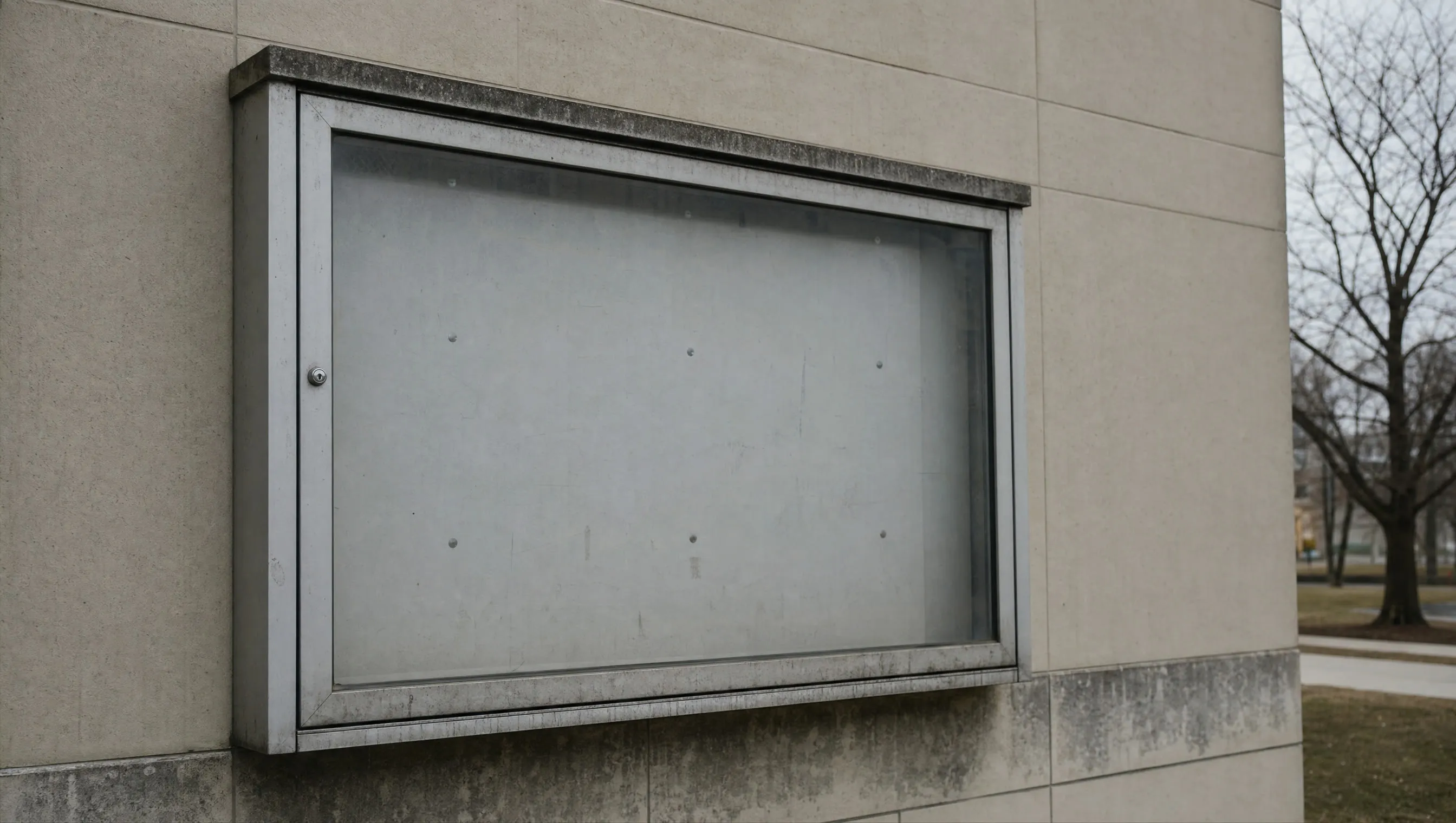
Notices are posted physically at each county courthouse and filed with each county clerk, and many counties publish them in a local newspaper of record. There are 254 counties, each doing this separately.
That fragmentation is the main barrier to entry, and it is why most serious buyers work from aggregated listing services rather than driving to courthouses. It is also why the same handful of local investors tend to show up at the same county auctions month after month.
What you are actually buying
At the sale the lender usually makes a credit bid, meaning it bids some or all of what it is owed rather than putting up cash. If nobody outbids it, the property becomes bank-owned and reappears later as an REO listing.
If you are the high bidder, several things apply that do not apply to a normal purchase.
Payment is immediate. The successful bidder is expected to pay without delay, or within whatever short window the trustee allows. This is a cash transaction. There is no financing contingency and no thirty-day close.
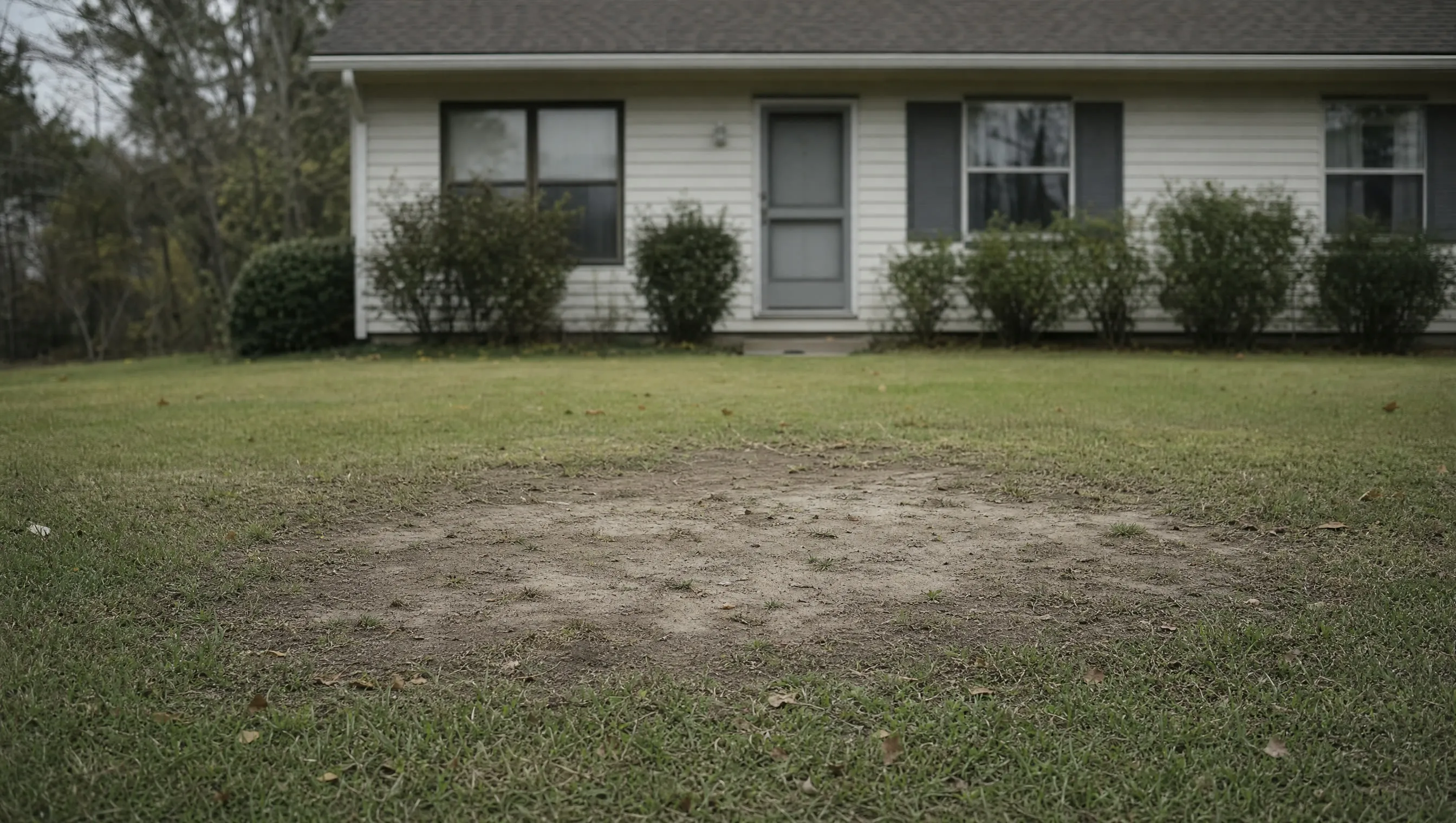
No inspection. You are buying based on the exterior, the county records, and whatever you can learn from the street. Nobody is letting you inside beforehand.
Liens do not all disappear. A foreclosure generally wipes out liens junior to the one being foreclosed, but not senior ones. Property tax liens, in particular, survive. If a homeowners association foreclosed rather than the mortgage lender, the mortgage may still be attached to the property.
Occupancy is your problem. The former owner or a tenant may still be living there, and removing them is a separate legal process at your expense.
Deficiency judgments exist here. If the lender bids less than the total debt, Texas allows it to pursue the borrower for the difference. That is a homeowner-side issue, but it explains why some lenders bid low, which occasionally leaves room for a third-party bidder.
Where the activity is
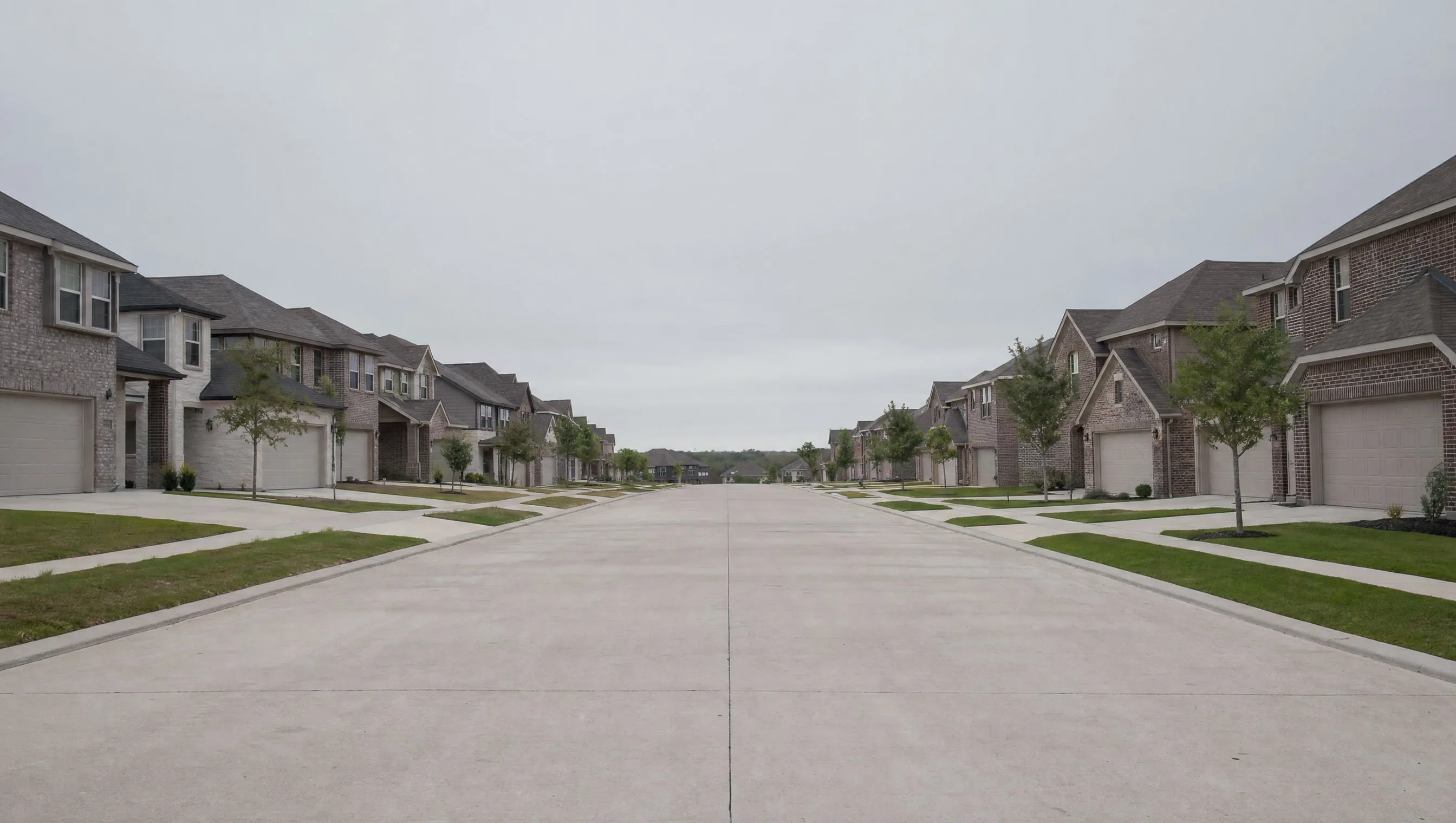
North Texas has been the visible concentration. More than 2,700 properties across Collin, Dallas, Denton and Tarrant counties entered foreclosure in the first four months of 2026, roughly a third more than the same period the year before.
That is a function of size as much as distress. Those four counties hold a large share of the state’s housing, and Texas leads the nation in starts partly because Texas is enormous. The state’s foreclosure rate per household is not the worst in the country. Florida, South Carolina and Indiana all rank higher on rate.
Speed cuts both ways for a buyer. Auction calendars fill and clear quickly, so inventory turns over. But the window to negotiate directly with a homeowner before the trustee sale is short, and once the first Tuesday passes, that particular opportunity is gone.
Before you bid
Pull the property’s tax records and check for outstanding tax liens, which survive the sale. Find out which lien is being foreclosed, because that determines what gets wiped and what does not. Drive the property and look at the roof, the yard and the mail. Set a maximum number based on the finished cost including whatever you cannot see, and stop there when the bidding passes it. And have the funds available that day, because the trustee will not wait.
Frequently asked questions
When are foreclosure auctions held in Texas? On the first Tuesday of every month, between 10 a.m. and 4 p.m., at the county courthouse in the county where the property is located. This is set by Texas Property Code section 51.002 and applies statewide, including on holidays.
Is Texas a judicial or non-judicial foreclosure state? Mostly non-judicial. Deeds of trust contain a power-of-sale clause that lets the lender foreclose without going to court, which is the main reason Texas foreclosures move faster than in judicial states.
How long does foreclosure take in Texas? ATTOM puts the average at 155 days for properties foreclosed in the second quarter of 2026, the shortest of any state. The non-judicial process itself, from first notice to auction, can run as little as 41 days once the federal 120-day delinquency period has passed.
Is there a redemption period after a Texas foreclosure sale? For most mortgage foreclosures, no. Limited redemption rights exist in specific situations such as tax sales and some homeowners association foreclosures. The general rule is that the sale is final.
Do I need cash to buy at a Texas foreclosure auction? Effectively, yes. The successful bidder must pay promptly, within whatever window the trustee allows. There is no financing contingency and no extended closing period.
Where can I find Texas foreclosure listings? There is no single statewide list. Notices are posted at each county courthouse and filed with each county clerk, so buyers generally work from aggregated listing databases that pull filings across counties. Our foreclosures page has the same search plus every state.
The email
We find the affordable end of this market: homes, land, and acreage listed well under the national median. The best of it goes out by email as we find it.