Article · Buying
What Is a Short Sale in Real Estate?
A short sale is a house selling for less than the owner owes, with the lender's permission. Here is how it works, why they take so long, and whether the discount is real.

- +16%Increase in short sales, first quarter 2026
- MonthsTypical time to get lender approval
- As-isHow nearly every short sale is sold
- The lenderWho actually decides whether your offer is accepted
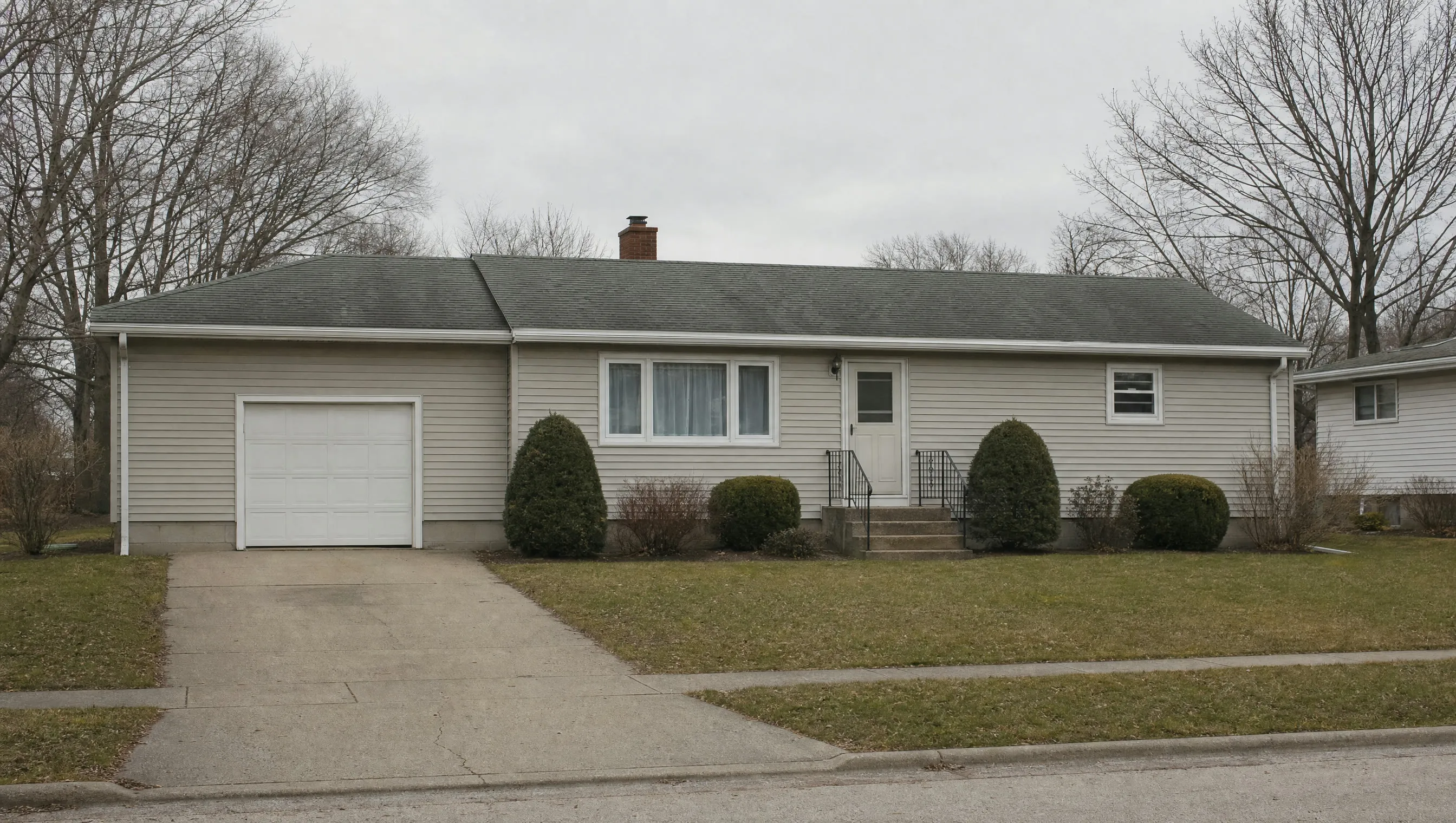
A short sale is a house selling for less than the owner still owes on it, with the lender agreeing to accept the shortfall.
Someone owes $280,000 and the house is worth $240,000. They cannot sell normally, because the sale would not clear the mortgage. So they ask the lender to accept $240,000 and forgive the rest. If the lender agrees, that is a short sale.
The name has nothing to do with speed. Short sales are among the slowest transactions in real estate.
Why an owner does this
Usually to avoid foreclosure. The owner is in financial trouble, cannot keep up with payments, and cannot sell for enough to pay off the loan. A short sale lets them exit with a settled debt and less damage to their credit than a completed foreclosure.
Lenders often prefer it too. Foreclosing is expensive, slow, and ends with the bank owning a house it does not want. Accepting a shortfall on a sale someone else arranged is frequently the cheaper outcome.
Short sales rose 16% in the first quarter of 2026, alongside a broad increase in foreclosure activity. When more owners fall behind, more of them try to sell their way out before the process runs its course.
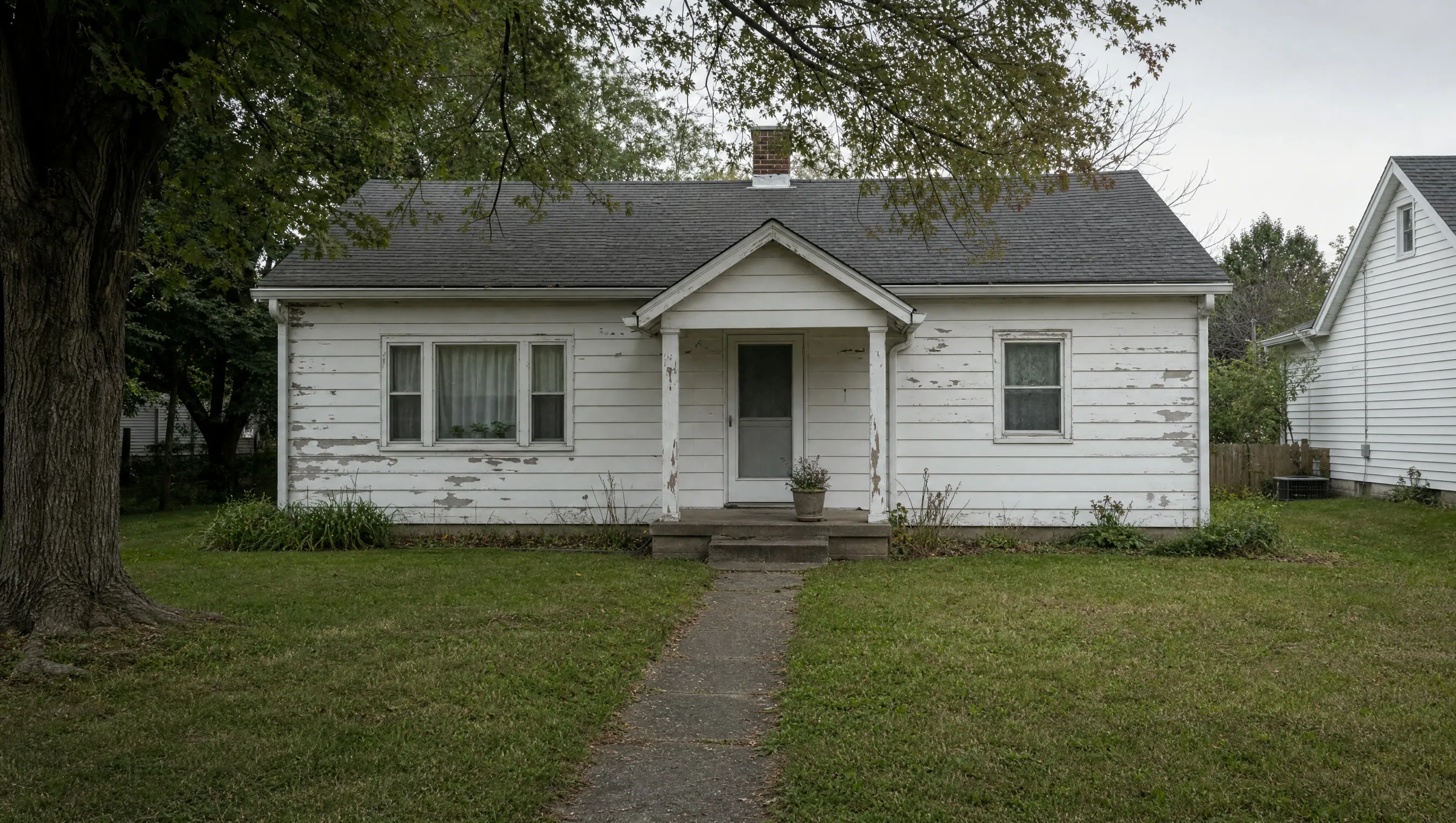
The part that surprises buyers
The person who owns the house is not the person who decides whether your offer is accepted.
You negotiate a price with the seller. They accept. And then the offer goes to the lender, who reviews it against their own valuation and their own loss calculations, and either approves it, counters it, or ignores it for several months. If there is a second mortgage or a home equity line, that lender has to agree as well.
This is why short sales take so long. A normal sale runs on the seller’s timeline. A short sale runs on a bank’s internal review process, and banks are not motivated by your closing date.
Two to four months from accepted offer to approval is common. Longer is not unusual. And there is no guarantee at the end of it.

Why they fall through
The lender says no. They decide the offer is below what they can recover at auction, and they proceed with foreclosure instead.
A second lien holder refuses. The first mortgage lender might approve while the second one holds out for more.
The buyer gives up. After four months of silence, people find another house. This is probably the most common ending.
The timeline runs out. If a foreclosure sale date arrives before the short sale is approved, the auction usually wins.
Is the discount real
Sometimes, but less often than the label suggests, and rarely by as much as people expect.
The lender is not trying to give away money. They are trying to recover as much as they can without the cost of foreclosing. They will order their own valuation, and an offer meaningfully below it is likely to be countered or refused. The discount tends to be modest.
Where the value is: condition and competition. Short sales are sold as-is by an owner who has usually not been able to afford maintenance for a while, and most buyers will not tolerate a four-month wait with no certainty. Less competition and a repair list is where the price comes down, not from the lender’s generosity.
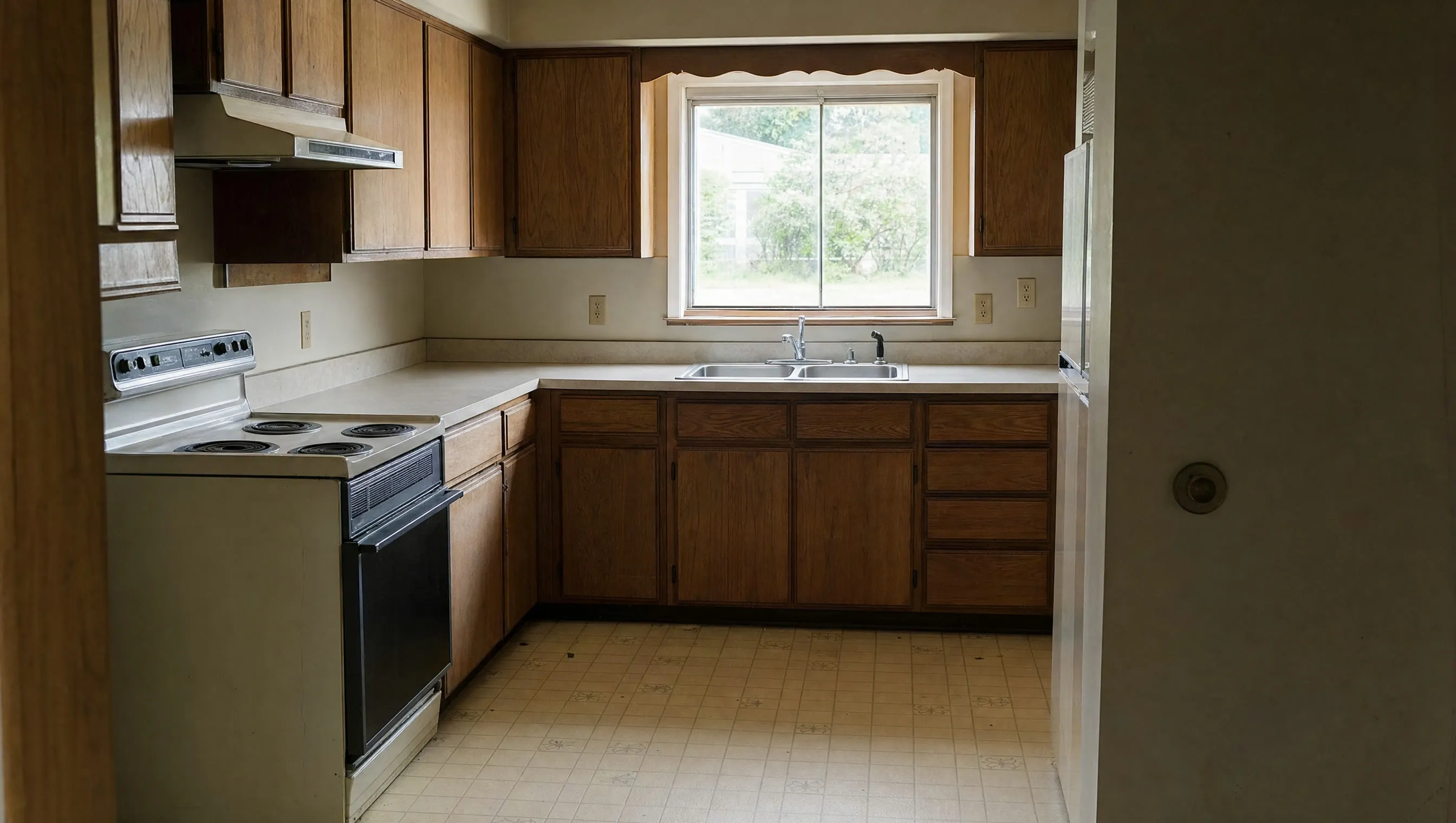
Short sale, foreclosure, REO
These get used interchangeably and they are three different things.
Short sale. The owner still owns the house and is selling it, with the lender agreeing to accept less than the balance. The owner is a participant.
Foreclosure auction. The lender has taken the legal process to its conclusion and the property is sold at auction, usually for cash, usually with no inspection.
REO, or bank-owned. Nobody bought it at auction, so the lender now owns it and lists it like a normal seller. Slow to buy, but ordinary in structure, and financing is usually possible. Bank-owned listings are searchable by state on our foreclosures page.
For most buyers, REO listings are the most straightforward of the three. Short sales are the most frustrating. Auctions are the riskiest.
If you are buying one
Get pre-approved and stay flexible on timing. A rate lock will probably expire while you wait. Plan for that.
Do not waive inspections. As-is means as-is, and an owner in financial trouble has usually deferred maintenance.
Ask how many liens are on the property. One lender is slow. Two is much worse.
Ask whether the lender has already approved a price. Some short sales are pre-approved, which removes most of the uncertainty. That is worth finding out before you commit months to it.
Keep looking. Do not stop your search because you have an accepted offer on a short sale. You do not have a deal until the lender says so.
Frequently asked questions
What does short sale mean in real estate? The property is being sold for less than the amount still owed on the mortgage, and the lender has to agree to accept the shortfall. The word short refers to the money, not the timeline.
How long does a short sale take? Typically two to four months from accepted offer to lender approval, sometimes longer, and closing follows after that. Multiple liens extend it further.
Is a short sale cheaper than a regular sale? Often somewhat, but not dramatically. Lenders order their own valuations and resist offers well below them. The bigger savings usually come from condition and from reduced buyer competition.
Is a short sale the same as a foreclosure? No. In a short sale the owner still holds title and is selling with the lender’s approval. In a foreclosure the lender has taken the property through a legal process and sells it at auction, or keeps it as REO.
Can a short sale fall through? Frequently. The lender can refuse the offer, a second lien holder can block it, a foreclosure date can overtake the process, or the buyer can walk away during the wait.
Does a short sale hurt the seller’s credit? Yes, though generally less than a completed foreclosure. The specifics depend on how the lender reports it and whether any remaining balance is forgiven or pursued.
The email
We find the affordable end of this market: homes, land, and acreage listed well under the national median. The best of it goes out by email as we find it.