Article · Housing market
When Is It Too Late to Stop a Foreclosure?
In most states the foreclosure sale is the point of no return, but the window is wider than most homeowners think. Here is what closes when, and what still works at each stage.

- 120 daysMinimum delinquency before most servicers can file
- The saleThe point of no return in most states
- VariesPost-sale redemption period, by state
- FreeHUD-approved housing counseling
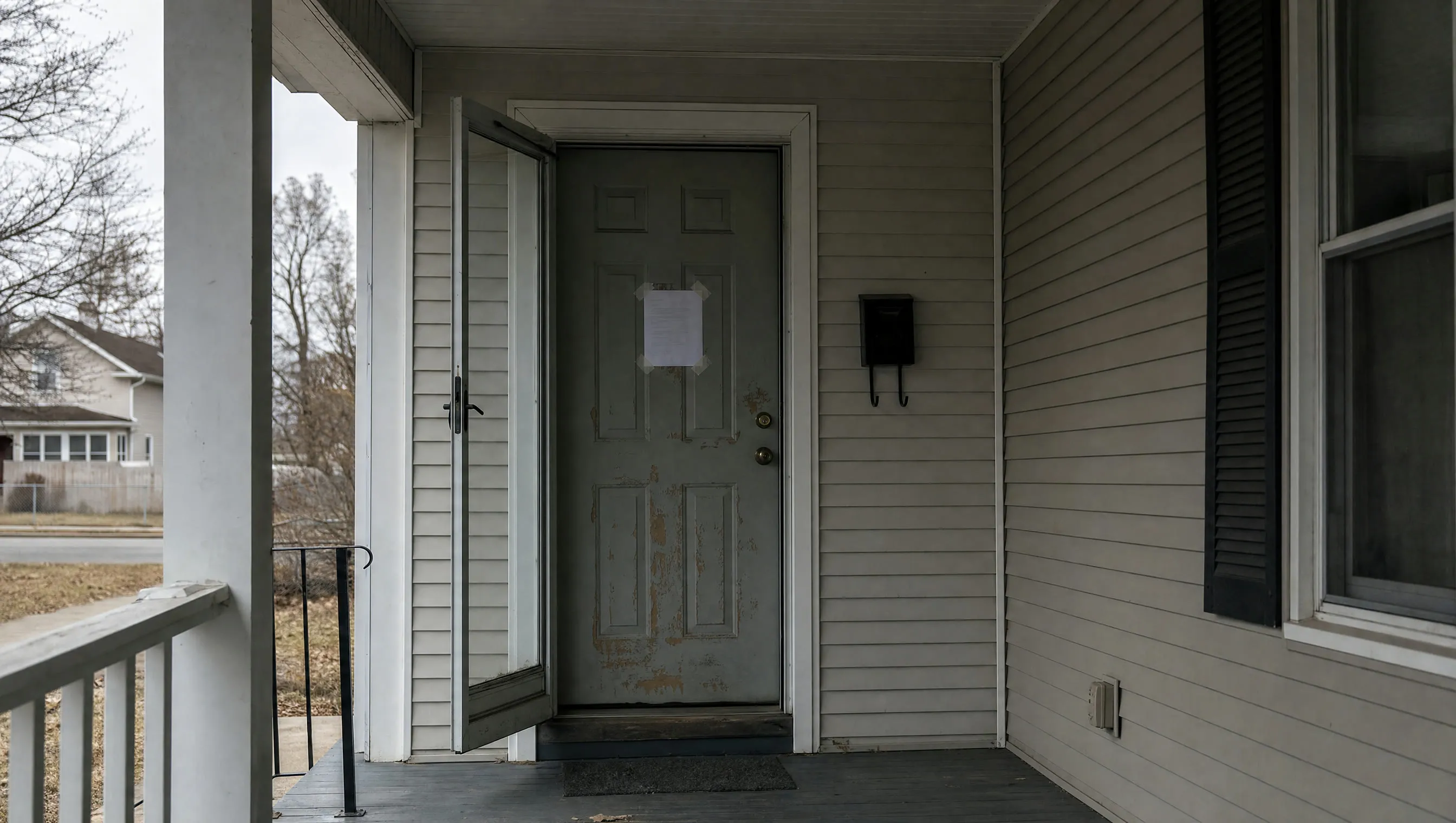
Most people search this question at 2am, after a letter arrives. The honest answer is that it is later than you want it to be and earlier than you fear.
In most states, the point of no return is the foreclosure sale itself. Up until the gavel falls, you generally have options. After it, in most places, you do not, though a minority of states give you a redemption window even then.
That is the short version. The useful version is knowing which doors are still open where you are standing right now.
The clock is slower at the start than people think
Missing a payment does not start a foreclosure. Under federal mortgage servicing rules, a servicer generally cannot make the first legal filing until you are more than 120 days delinquent. That is roughly four months of runway that most homeowners spend avoiding the mail.
It is the most valuable stretch of the whole process and the most commonly wasted. During it, your servicer is required to tell you about alternatives and give you a point of contact. Every letter in that pile is a deadline you can still meet.
The instinct to stop opening the envelopes is completely human. It is also the single most expensive thing you can do, because almost every option below has a deadline attached, and the deadlines are all in the envelopes.

What is still open, stage by stage
Before any filing. Everything is available. Loan modification, forbearance if the hardship is temporary, a repayment plan that spreads the arrears across future payments. This is also when a modification application is most likely to be processed calmly rather than as an emergency.
After the filing, before a sale date. Options narrow but stay real. Reinstatement, which means paying off the total arrears, fees and costs in one lump sum, is available in most states right up to the sale. Modification is still possible, though it now competes with a court schedule.
After a sale date is set. This is where speed replaces choice. Reinstatement often still works if you can produce the money. A pending, complete loss-mitigation application can require the servicer to pause the sale under federal rules. Chapter 13 bankruptcy triggers an automatic stay that halts a foreclosure sale, sometimes on the morning it was scheduled. Selling the house yourself, if there is equity, is frequently better than letting it go to auction, because you keep whatever is left after the debt.
After the sale. In most states, this is the end. A minority give you a redemption period: a defined window to reclaim the property by paying the full debt plus costs. The length varies enormously by state, and some states offer none at all. If you are here, the specific question is whether your state has one and how long it runs.
The part nobody tells you: the free help is the good help
There are HUD-approved housing counseling agencies in every state. They are free. They will look at your actual numbers, tell you which options you qualify for, and in many cases contact your servicer with you.
They are better than the companies that find you first. When a foreclosure notice becomes public record, a certain kind of mail starts arriving: offers to stop the foreclosure for an upfront fee, offers to take title “temporarily,” documents that need signing today. Some are legitimate businesses. Some are how people lose both the house and the equity.
Two rules that hold up almost everywhere: be careful about paying a large upfront fee for a promise, and be careful about signing over the deed to anyone. If an offer is genuinely good, it will survive a free counselor reading it first.
Why this is happening to more people right now
Foreclosure activity has been climbing. ATTOM’s January 2026 report recorded eleven straight months of year-over-year increases in filings, with foreclosure starts up roughly a quarter and completed foreclosures up sharply.
That is not a story about people being careless. It is the same math that has one in three young adults living with their parents: housing costs that rose faster than paychecks, in a market where the cheapest homes were the ones that disappeared first. When the margin is thin enough, one hospital bill or one lost shift is the whole difference.
The answer, plainly
It is too late once the property has sold at auction and any redemption period your state offers has expired.
Before that, you almost certainly have something. What you have shrinks every week, and the options that work in the last few days, like bankruptcy stays, emergency motions, and a fast sale, are the expensive ones. The cheap options live at the beginning.
If you are somewhere in this timeline, the highest-value thing you can do today is not more reading. It is finding your state’s HUD-approved counseling agency and calling it.
Frequently asked questions
Can I stop a foreclosure after the notice of default? Usually, yes. A notice of default is an early step, not a final one. Reinstatement, modification, forbearance and repayment plans are all typically still available at that point.
Does paying what I owe stop the foreclosure? In most states, paying the full arrears plus fees and costs, known as reinstatement, stops it and returns the loan to current, provided you do it before the sale. Ask your servicer for a written reinstatement quote with a good-through date, since the number changes as fees accrue.
Does bankruptcy stop a foreclosure sale? Filing triggers an automatic stay that halts the sale, and Chapter 13 can create a structured path to catching up over time. It is a serious step with long consequences and it is not right for everyone. That is a conversation for a bankruptcy attorney, not a website.
What is a redemption period? In some states, a window after the sale during which the former owner can reclaim the property by paying the full amount owed plus costs. Whether one exists, and how long it lasts, depends entirely on your state. Some have none.
Can I sell my house during foreclosure? Often yes, and if there is equity in the home it is usually a better outcome than the auction, because a sale lets you keep what is left after the debt is paid. If you owe more than the house is worth, the same route is a short sale, which needs the lender’s approval. Either way it has to close before the sale date, which is why it only works if you start early.
Is there free help? Yes. HUD-approved housing counseling agencies provide free foreclosure counseling nationwide. Start there before paying anyone.
This article is general information, not legal or financial advice. Foreclosure law varies significantly by state and the details of your loan matter. Talk to a HUD-approved housing counselor or an attorney licensed in your state.
The email
We find the affordable end of this market: homes, land, and acreage listed well under the national median. The best of it goes out by email as we find it.