Article · Land
The Cheapest States to Buy Land (2026)
Every list ranks the same ten states using a number that was never meant to price the land you would actually buy. Here is what the data says, what it hides, and where the real value is.

- $725New Mexico's average per acre, the lowest in the country
- $4,350The national average per acre
- 6xThe gap between the cheapest state and the average
- USDAThe source nearly every ranking uses
Search for the cheapest state to buy land and you will find a dozen articles listing the same ten states in roughly the same order. New Mexico first at about $725 an acre, then Wyoming, Nevada, Montana, Oklahoma.
They agree because they are all reading one number: the USDA’s farm real estate value by state.
That number is real. It is also the wrong tool for the job most readers are doing, and almost nobody says so.
What that number actually measures
USDA farm real estate value is the average per-acre value of farmland including buildings and improvements, measured across whole states.
Three things follow from that definition, and each one matters.
It is dominated by agricultural land at agricultural scale. A state’s average is set by thousand-acre grazing operations, not by the five-acre parcel with road frontage that most buyers are shopping for.
It includes improvements. Barns, irrigation, fencing and outbuildings are inside the number, which is why some farm states look more expensive than the raw ground would suggest.
And it averages entire states. New Mexico’s $725 is a blend of high desert grazing land and everything else. It is not a price you could pay for a buildable lot near a town.
None of this makes the USDA figure bad data. It is excellent data for what it measures. It just is not a shopping guide.
The ranking, for what it is worth
Using the USDA benchmark, the lowest-value states are consistently:
| State | Approx. value per acre |
|---|---|
| New Mexico | $725 |
| Wyoming | $1,000 |
| Nevada | $1,230 |
| Montana | low thousands |
| Oklahoma | low thousands |
| South Dakota | ~$2,970 |
| North Dakota | ~$2,360 |
| Kansas | low thousands |
| Texas | varies enormously |
| Colorado | varies enormously |
Against a national average around $4,350 an acre. Figures move year to year and different outlets cite slightly different national averages depending on which release they used, so treat these as a benchmark rather than a quote.
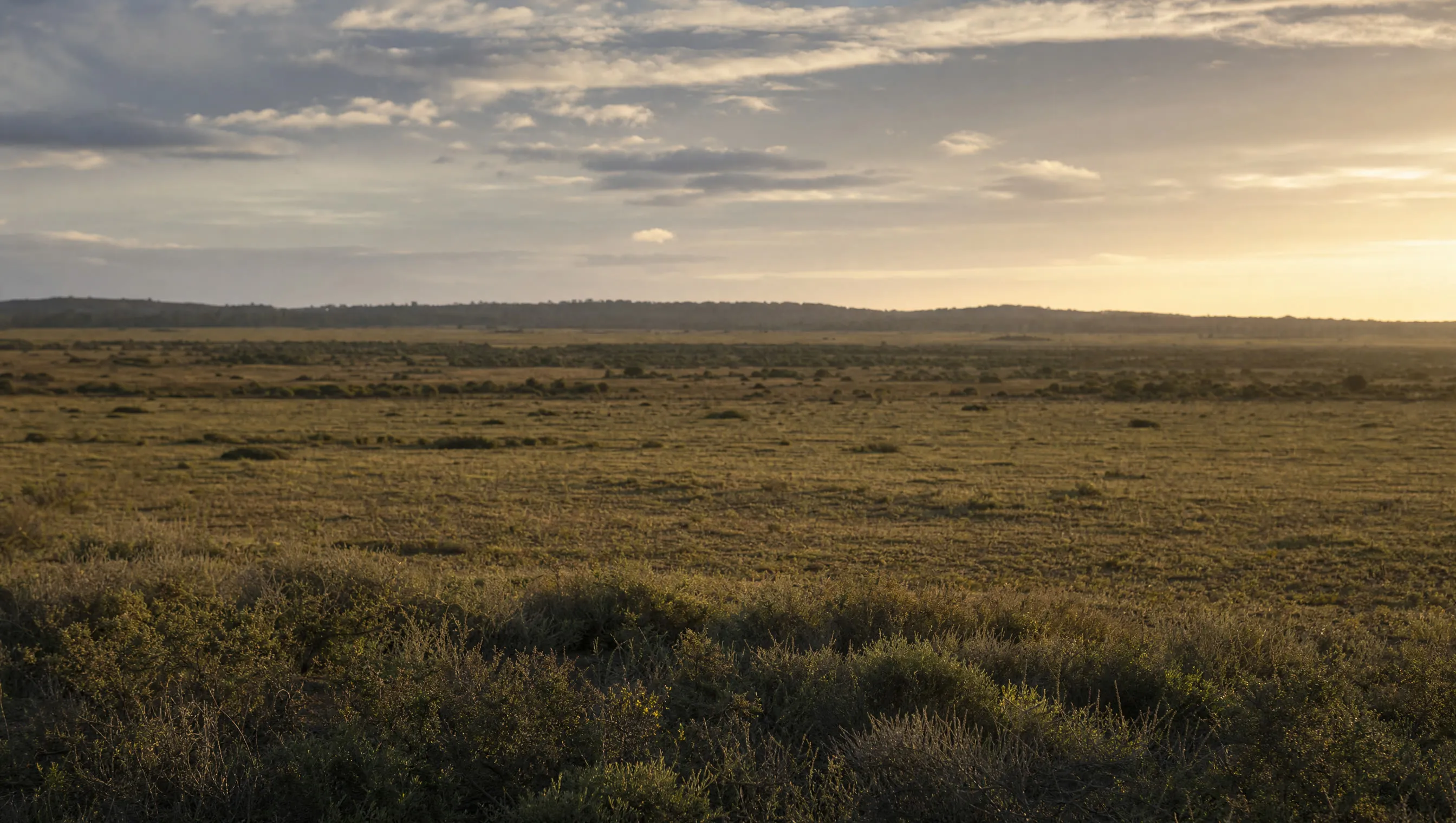
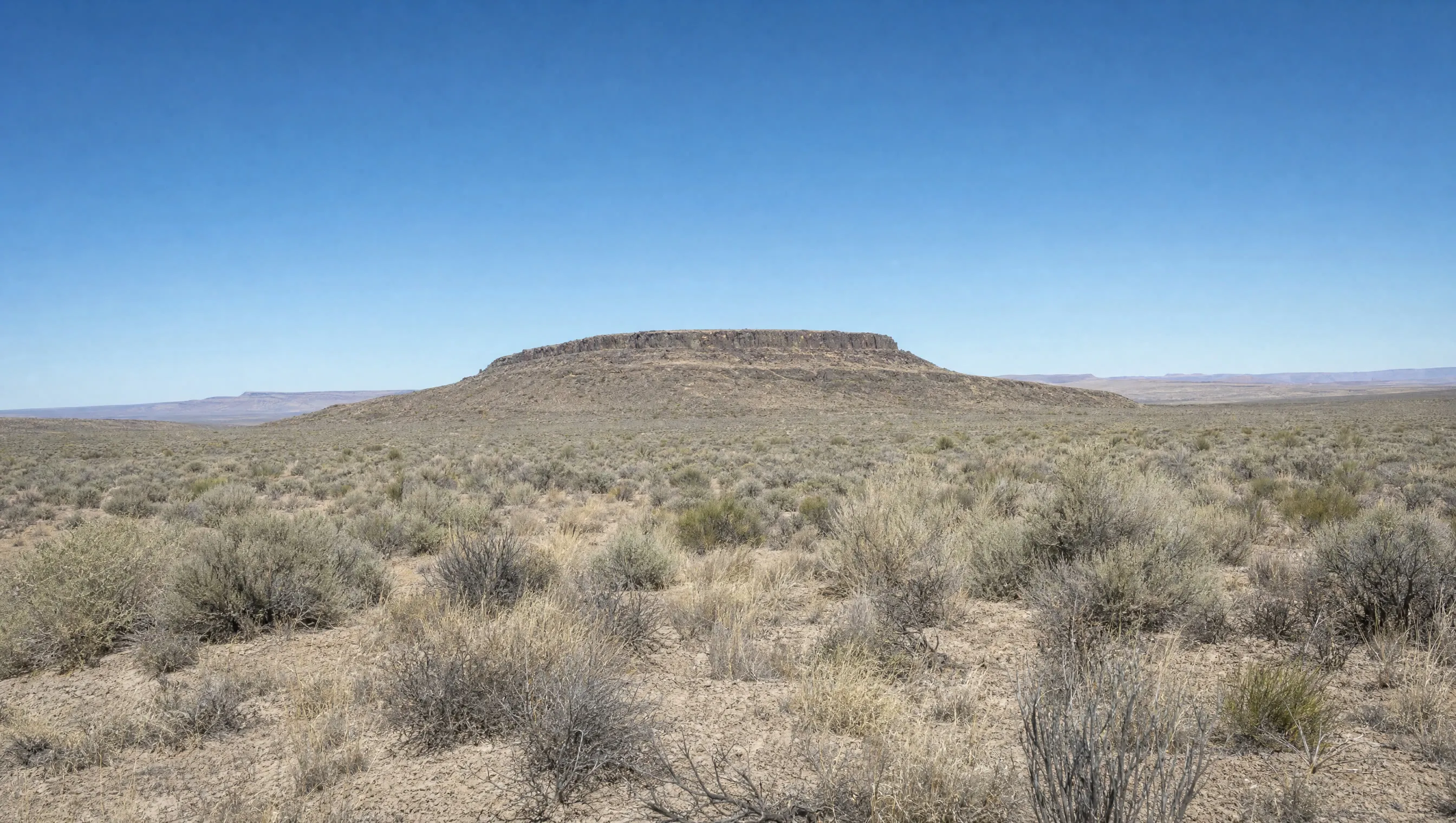
Notice what the top of that list has in common. New Mexico, Wyoming and Nevada are cheap per acre for a specific reason: enormous quantities of arid, remote, low-productivity ground. That is not a market inefficiency. It is a price that reflects what the land can do.
Cheap per acre and cheap to own are different questions
This is where the lists stop and the decision starts.
An acre in remote Nevada at a few hundred dollars can cost more to make usable than a more expensive acre elsewhere. The things that turn land into something you can live on or build on are the things the cheapest parcels are missing:
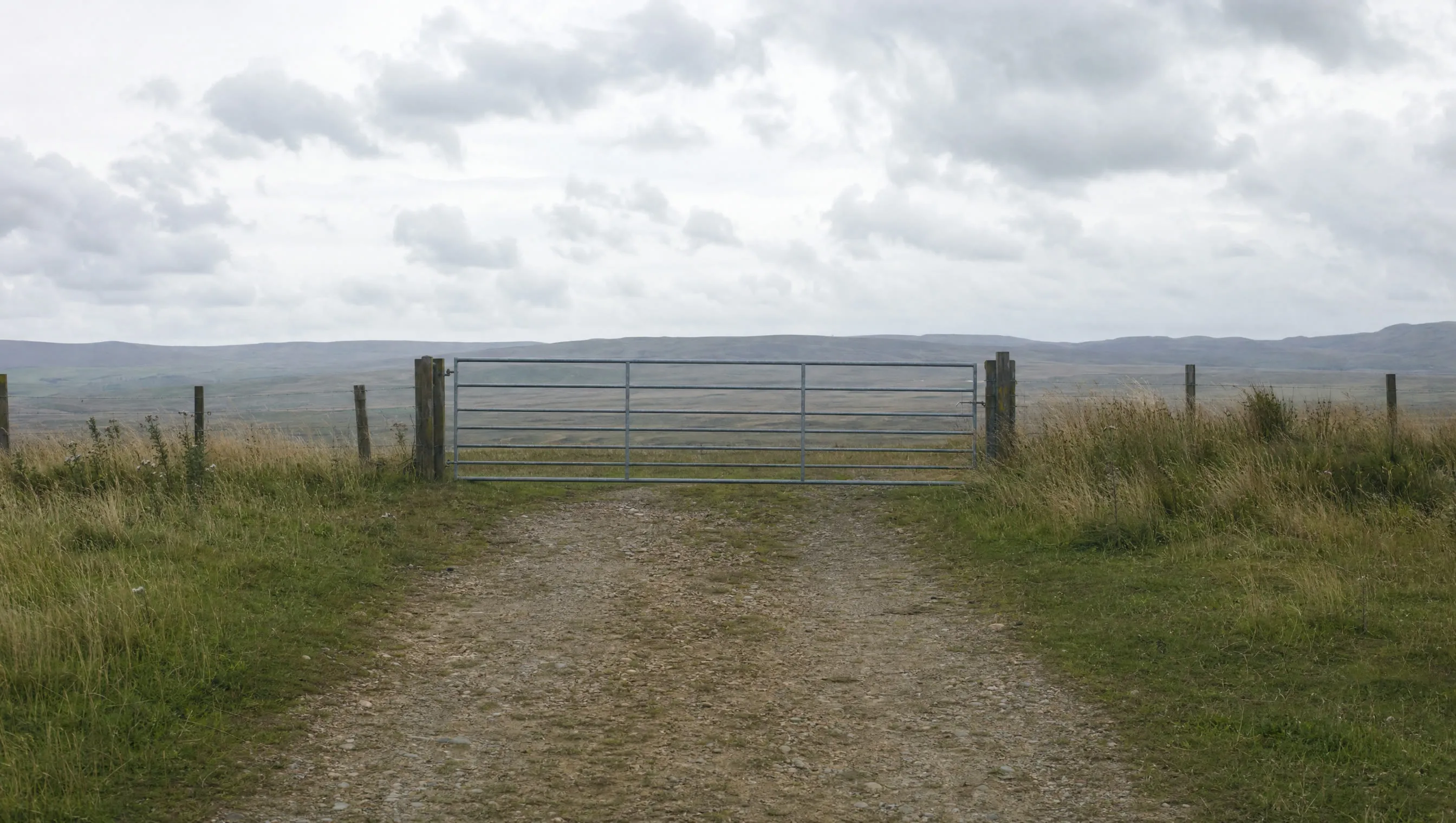
Legal access. Not a track across a neighbor’s field. A recorded easement or public road frontage. Land without it is close to unsellable and often unbuildable.
Water. In much of the arid West this is the whole question. Drilling a well can run into five figures, and in some areas water rights are separate from the land itself and may not come with it.
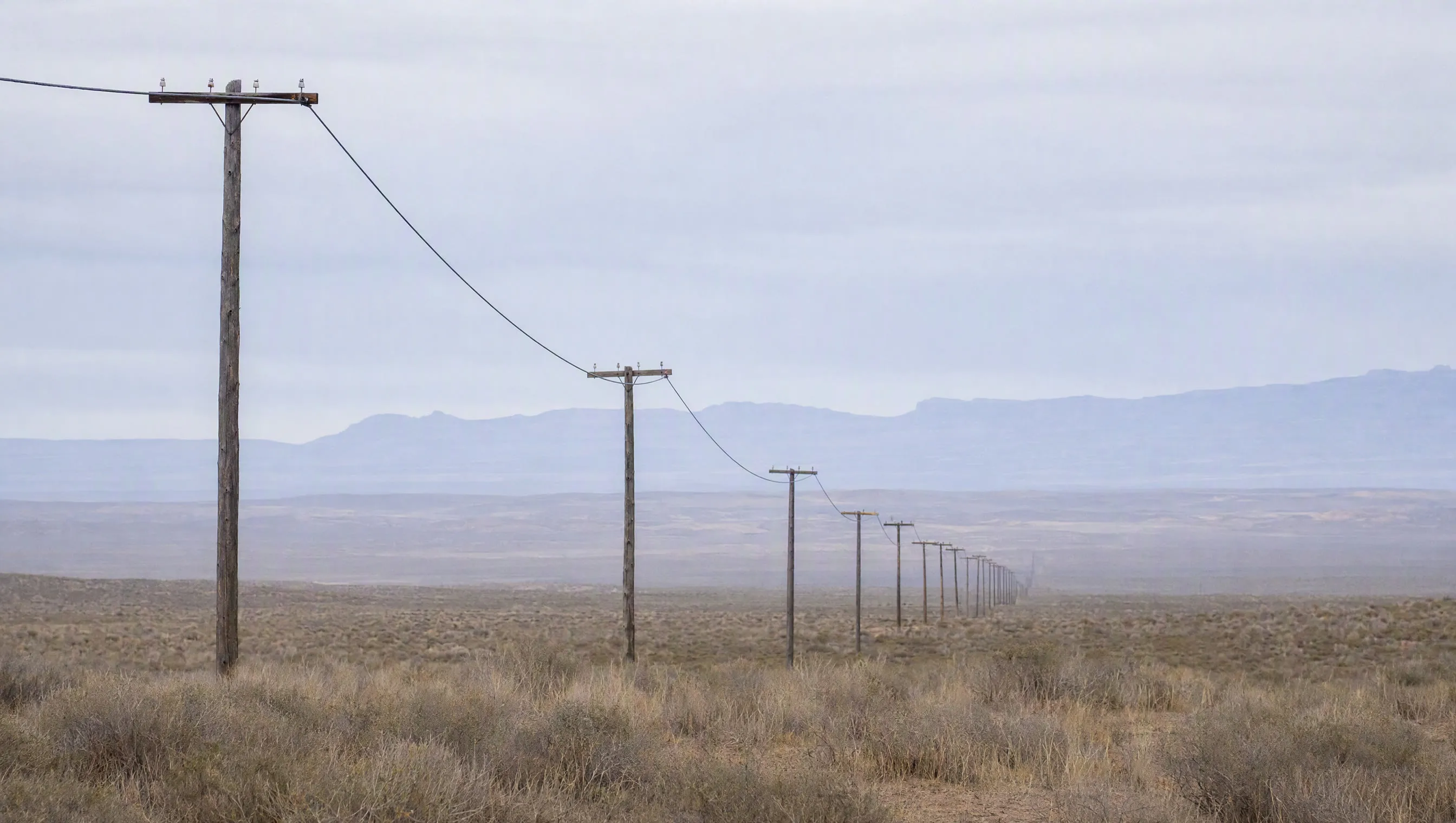
Power. Distance to the nearest connection is priced by the foot. A parcel a mile from the line can carry a utility bill in the tens of thousands before anything is built.
Perc and permits. If a septic system will not perc, a residential build may simply be off the table regardless of price.
A resale market. Land nobody else wants is cheap for a reason, and stays cheap when you want to sell it.
A $1,000-an-acre parcel with none of those is not a bargain against a $4,000-an-acre parcel with all of them. It is a different product.
Where the real value tends to be
If the goal is land you can use, the interesting range is not the bottom of the USDA table. It is the middle: states with water, trees, road networks and towns, priced below the national average.
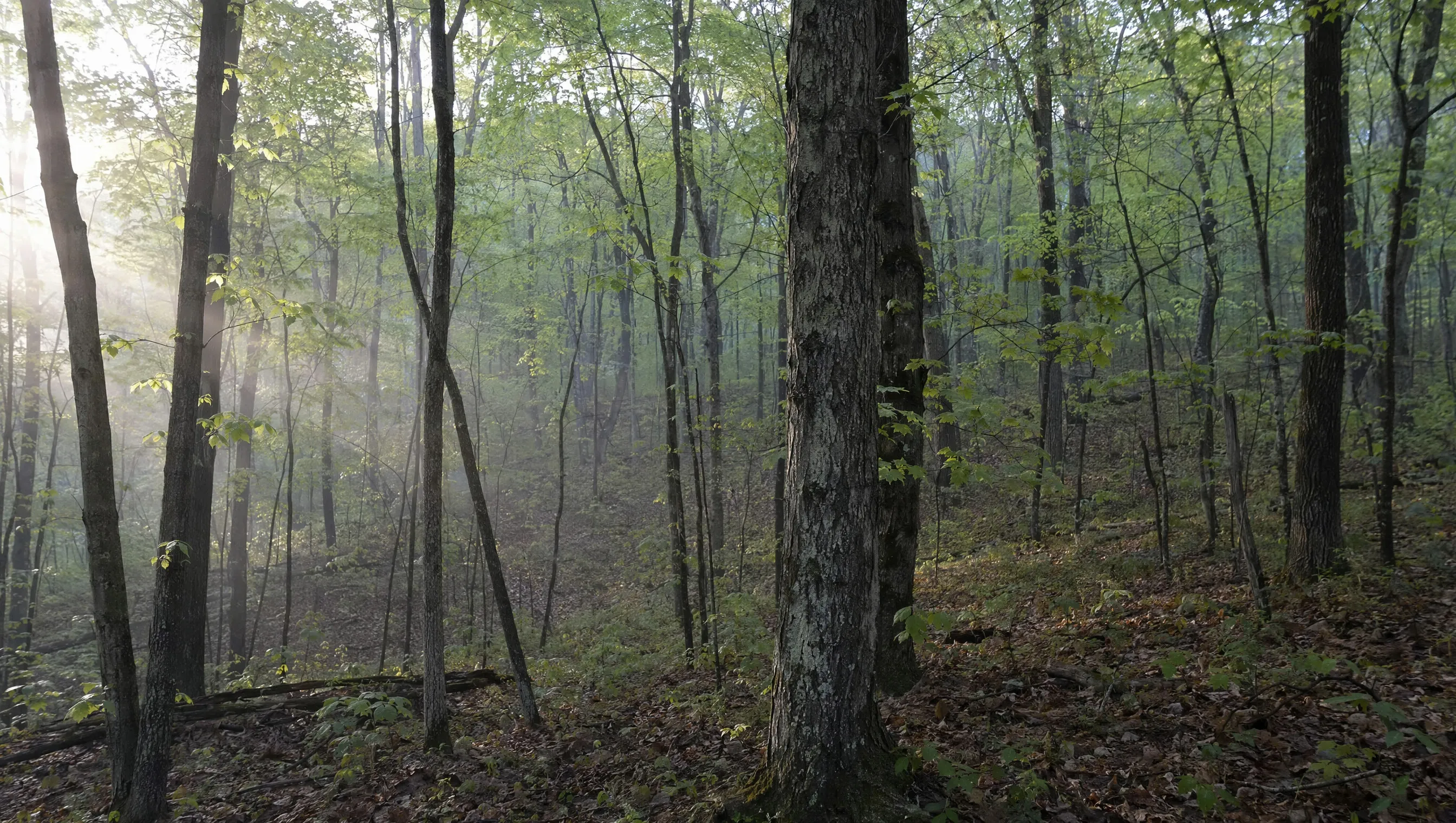
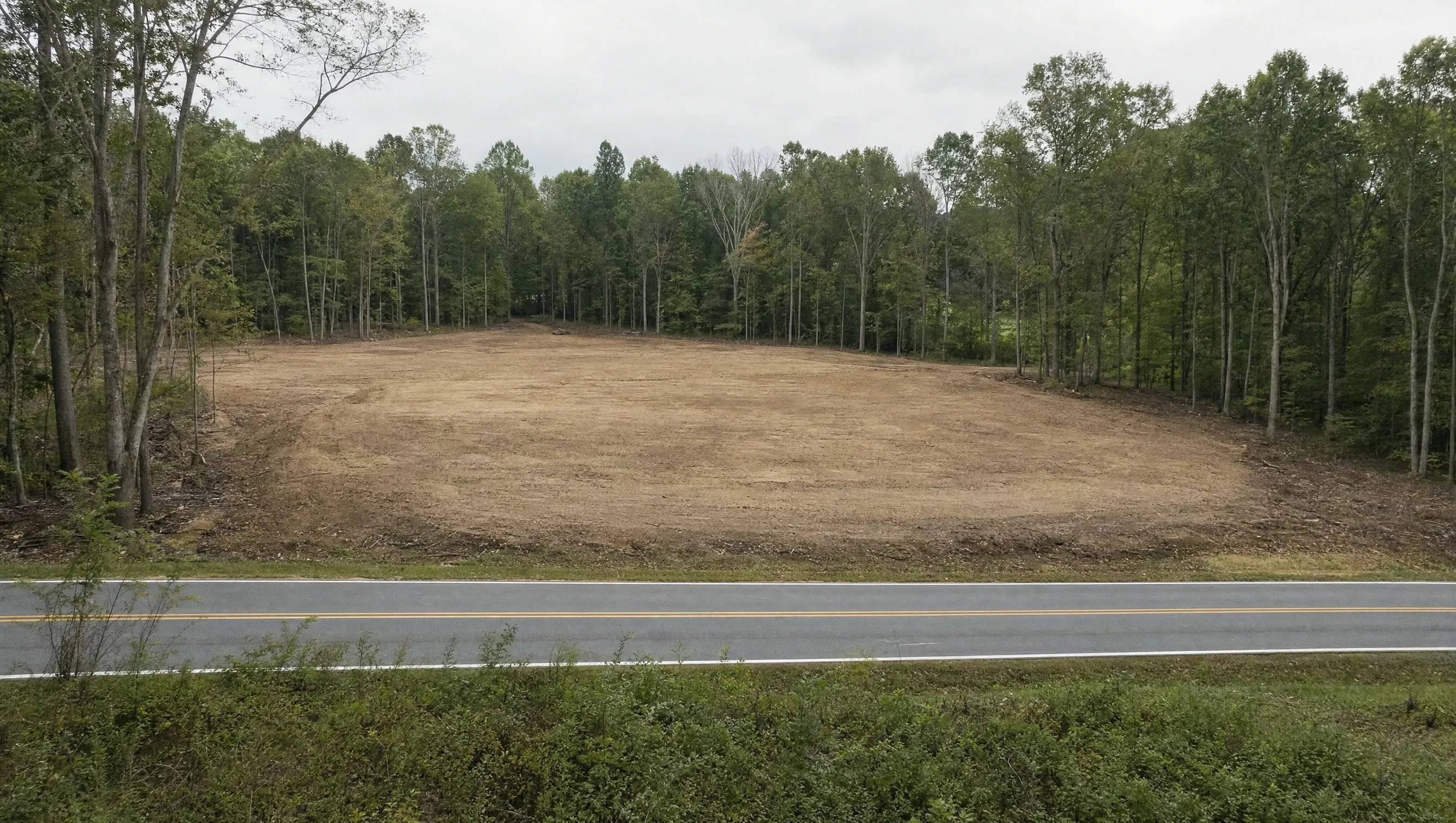
Much of Appalachia and the mid-South sits there. Kentucky, Tennessee, West Virginia and Virginia have counties where wooded acreage with road frontage and existing utilities trades well under national averages, and where rainfall makes the water question mostly moot. None of those states appear on a cheapest-per-acre list, because the statewide averages are pulled up by productive farmland and metro-adjacent ground.
The same is true in parts of Arkansas, Missouri and Oklahoma’s wetter eastern half.
The pattern is consistent: the cheapest land in the country is mostly land with a problem, and the best value in the country is mostly ordinary land in places without much demand.
How to shop this
Ignore the state, work the county. Prices inside a single state vary more than prices between states. Pick two or three counties and learn what normal looks like there before you can recognize an outlier.
Price the finished cost, not the purchase. Purchase plus access plus water plus power plus permits. That total is the real number, and it is where cheap parcels stop being cheap.
Check access in the records, not the listing. Sellers describe access optimistically. The deed and the county records do not.
Walk it. Aerials hide slope, wet ground and what the road in is like in February. Cheap land is exactly the category where sight-unseen buying goes wrong.
The short answer
By the USDA benchmark, New Mexico is the cheapest state to buy land at roughly $725 an acre, followed by Wyoming and Nevada.
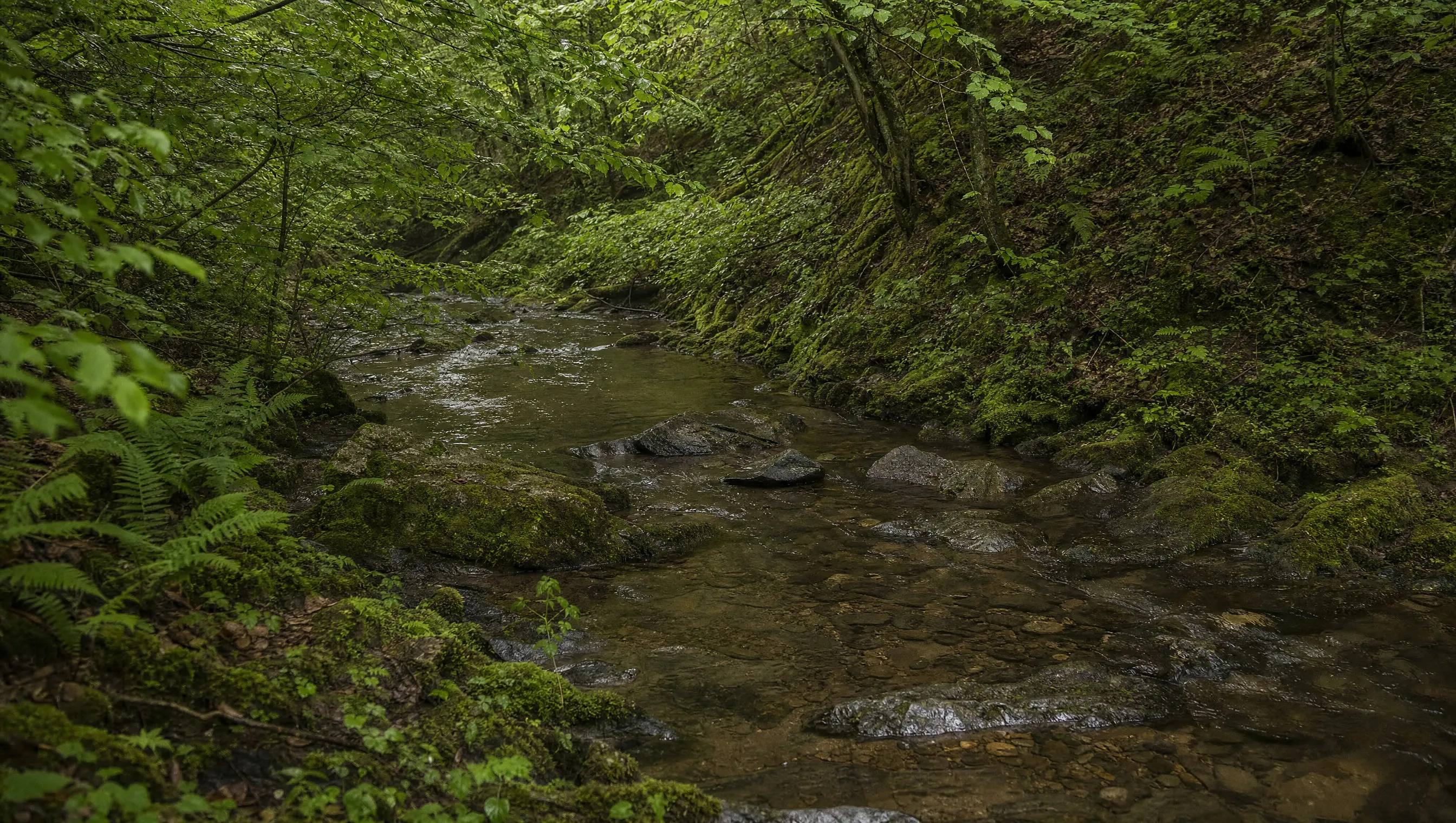
If you want land you can build on, live on and eventually sell, that ranking is close to backwards. The states at the top of it are cheap because they are dry, remote and hard to develop. The value tends to sit in the wetter, wooded, unfashionable middle of the country, where the per-acre averages look unremarkable and the individual parcels do not.
Frequently asked questions
What is the cheapest state to buy land in 2026? By USDA farm real estate values, New Mexico, at roughly $725 an acre, followed by Wyoming near $1,000 and Nevada near $1,230, against a national average around $4,350.
Why is land so cheap in New Mexico and Nevada? Both are mostly arid, remote ground with limited water and limited development potential. The low price reflects what the land can support, not a market oversight.
Is cheap land a good investment? Sometimes. Cheap land in a place with growing demand can be. Cheap land with no legal access, no water and no buyer pool tends to stay cheap indefinitely. The price alone tells you very little.
How much does it cost to make raw land buildable? It varies enormously, but access, a well, a septic system and a power connection can each run into the thousands or tens of thousands. On a very cheap parcel these costs routinely exceed the purchase price.
Can I get a mortgage on raw land? Conventional mortgages generally do not cover raw land. Buyers typically use land loans, which ask for larger down payments and shorter terms, cash, or seller financing, which is common on rural parcels.
Are Kentucky, Tennessee and West Virginia cheap for land? Their statewide averages are unremarkable, but they contain counties where wooded acreage with road access and utilities trades well below national figures, and rainfall makes water far less of an obstacle than in the arid West. Statewide averages hide that.
The email
We find the affordable end of this market: homes, land, and acreage listed well under the national median. The best of it goes out by email as we find it.