Article · Housing market
1 in 3 Young Americans Now Live With Their Parents. Here's Why.
A record 25.2 million adults under 35 are living in their childhood bedrooms. The data says it has almost nothing to do with ambition and almost everything to do with the price of a home.

- 25.2MAdults under 35 living with parents (2025 record)
- 33%Share of all adults under 35
- $430KNational median home list price
- $1,673Median asking rent
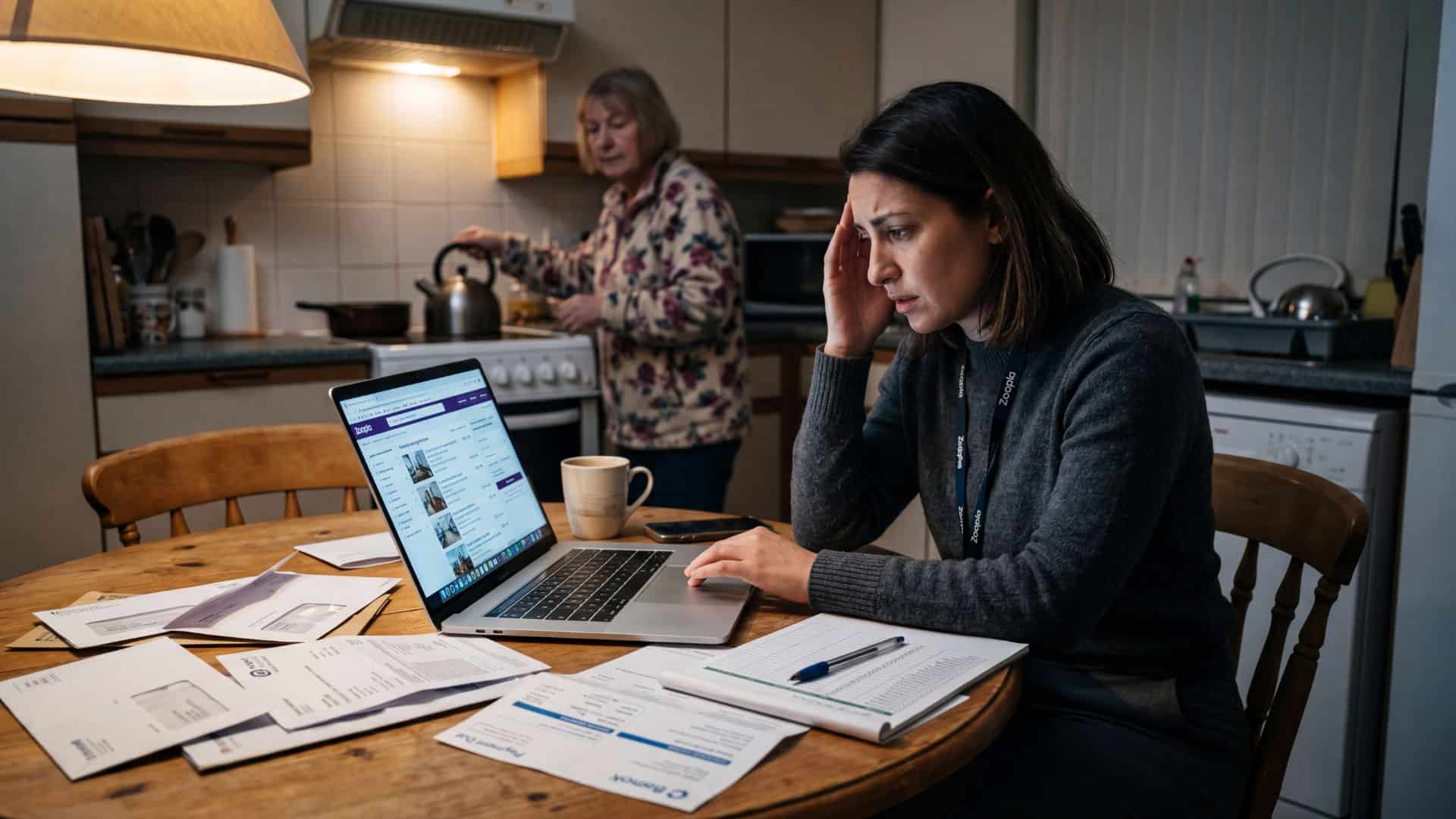
The empty nest is filling back up. In 2025 a record 25.2 million adults under 35 lived with a parent, roughly one in three people in that age group, according to a Realtor.com report released in June 2026. That count has now passed the pandemic-era high, when campuses closed and millions of young adults moved home to wait it out.
The easy version of this story is that Gen Z would rather raid the family fridge than grow up. The data tells a different story.
It is not a motivation problem. It is a math problem.
About 70% of 25 to 34 year olds still living at home are employed. These are working adults with paychecks, and a growing share hold four-year degrees. As Realtor.com senior economist Hannah Jones summed it up, this is a supply story, not an employment story.
The supply problem is enormous. The US is short roughly 4 million homes, a gap that has widened since construction stalled after the 2008 financial crisis. Entry-level homes, the kind a first-time buyer could actually afford, are the scarcest of all.
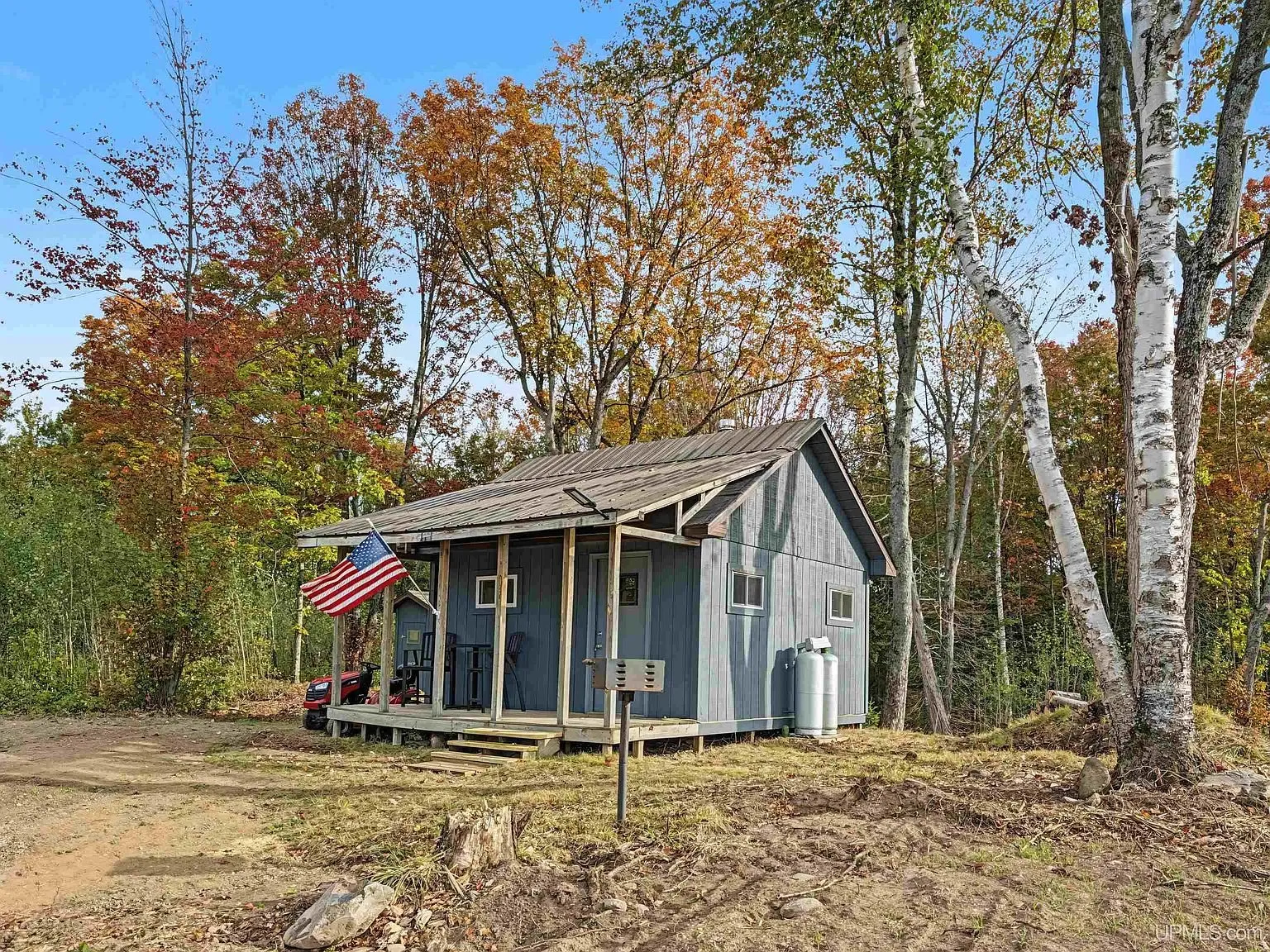
Price tells the rest. The national median home list price hit $430,000 in 2025, up 34.4% from 2019. (A three-bed Kentucky cabin on 1.9 acres currently sits at a third of that.) Median asking rent climbed to $1,673, up 17.9% over the same stretch. Paychecks have not kept pace, so for millions the move out is not a “not yet.” It is a “not possible.”
First-time buyers now make up just 21% of the market, the lowest share since the National Association of Realtors began tracking it in 1981. The typical first-time buyer is now 40 years old.
The trapped cohort
The pain is not spread evenly. Among adults 30 to 34, the share living with parents reached 12.7% in 2025, roughly double the 7.1% recorded in 2000. Many in this group were in their late 20s during the pandemic and never fully launched. The cohort just behind them hit prime renting age right as mortgage rates and prices spiked in 2022 and 2023, so they show no improvement at all.
NAR deputy chief economist Jessica Lautz notes that buyers who enter the market later lose years of potential home equity, a gap that compounds for the rest of their financial lives.
Where it is worst
Geography maps almost perfectly onto cost. The highest co-residence rates sit in expensive coastal states: New Jersey leads at about 44%, followed by Connecticut at 41%, California at 39%, and Maryland at 38%. At the other end, fast-growing, build-friendly North Dakota records the lowest share in the country at about 12%.
Where young adults stay home most
Share of adults 18 to 34 living with their parents, by state (2024 American Community Survey):
| State | Share |
|---|---|
| New Jersey | 44% |
| Connecticut | 41% |
| California | 39% |
| Maryland | 38% |
| North Dakota | 12% |
The pattern is consistent. Where housing is expensive and supply is tight, young adults stay home. Where it is easier and cheaper to build, they move out sooner.
The cost lands on parents too
This is not a one-way arrangement. A 2026 Wells Fargo survey found that 64% of parents with Gen Z children said their adult kids still rely on them for money, housing, or other support, and 56% said that help is straining their own finances. Many parents are also delaying plans to downsize, holding onto larger homes along with the higher mortgage, taxes, and utility bills that come with them.
One thing is shifting as a result. Agents report a rising number of families asking a question that used to be rare: can a single home comfortably support three generations instead of two?
What 25 million delayed households mean
Strip away the headlines and this is a number about demand that has not arrived yet. Every adult still in a childhood bedroom is a household that has not formed, a lease unsigned, a first home unpurchased. Realtor.com frames the 25 million figure as exactly that: a generation of demand the market has not absorbed.
That demand does not disappear. It waits. As more homes get built and affordability slowly improves, some of these households will finally form, and the data already shows where they tend to land. The states where young adults move out earliest are the ones where building is easier and a paycheck stretches further. Affordability, not preference, is steering where this generation ends up.
For now the trend line points in one direction. Until the country closes a 4 million home gap, the childhood bedroom is going to stay occupied a lot longer than it used to be.
Frequently asked questions
How many young adults live with their parents in 2025? A record 25.2 million adults under 35, about one in three people in that age group, according to a Realtor.com report released in June 2026. That share, 33%, sits just below the all-time high of 33.6% reached in 2020, but the absolute count is now the highest on record.
Why are so many young adults still living at home? Affordability, not unemployment. About 70% of 25 to 34 year olds living with parents are employed. The bigger drivers are a national median home price of $430,000, median rent of $1,673, a national shortage of roughly 4 million homes, and student and other debt that makes saving for a down payment difficult.
Is this just a continuation of the pandemic trend? No. The 2025 count of 25.2 million has now surpassed the pandemic peak. The share spiked during COVID, dipped briefly in 2022 when a narrow group caught record-low mortgage rates, then climbed back to a new record as rates, prices, and rents stayed elevated.
Which states have the most young adults living with parents? High-cost coastal states lead. New Jersey is highest at about 44%, followed by Connecticut at 41%, California at 39%, and Maryland at 38%. North Dakota has the lowest share at about 12%. The cheaper and easier it is to build in a state, the sooner young adults tend to move out.
Which age group is hit hardest? Adults 30 to 34. The share of that group living with parents reached 12.7% in 2025, roughly double the 7.1% recorded in 2000. Many were in their late twenties during the pandemic and never fully launched, and the cohort just behind them reached prime renting age as prices and mortgage rates spiked in 2022 and 2023.
What does this mean for the housing market? It represents a large pool of delayed demand. Every adult still at home is a household not yet formed, a lease unsigned, a starter home unpurchased. As affordability improves or more homes get built, those millions could enter the market, and the data shows they tend to land first in lower-cost, build-friendly areas where a paycheck stretches further.
The email
We find the affordable end of this market: homes, land, and acreage listed well under the national median. The best of it goes out by email as we find it.